How to Set Up a Data Room for Your Startup Fundraise
A startup data room is a secure online space where founders share financial documents, legal agreements, and company information with potential investors during due diligence. This guide covers exactly what documents VCs expect to see, how to organize them for faster due diligence, and how to choose a data room that fits a startup budget.
What Is a Startup Data Room?
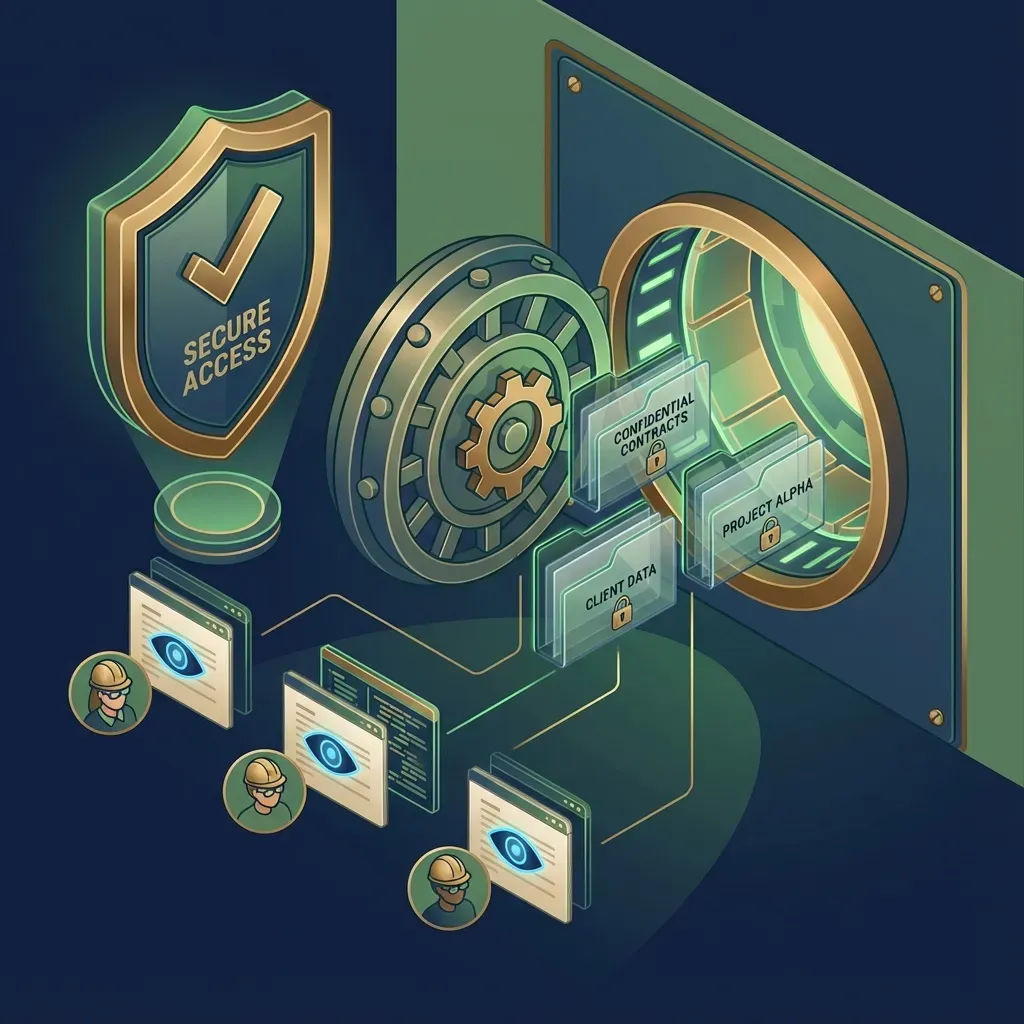
A startup data room is a secure, cloud-based repository where founders share confidential business documents with potential investors. During fundraising, VCs need to review your financials, legal structure, contracts, and team details before writing a check. The data room is where this due diligence happens.
The term comes from physical "data rooms" used in M&A deals, where lawyers would lock documents in a secure room for buyers to review. Virtual data rooms serve the same purpose online. You get access tracking, permission controls, and audit logs on top.
For startups, a data room serves three purposes:
- Due diligence: Give investors controlled access to sensitive documents
- Professionalism: Show you run a tight operation, not a chaotic one
- Protection: Track who views what and revoke access when needed
Most Series A processes involve 2-3 months of due diligence. VCs review over 100 startups for every deal they close. An organized data room helps you stand out and keeps the process moving.
Essential Documents for Your Investor Data Room
Investors expect specific documents organized in a predictable structure. Missing items or messy organization slows down deals and raises red flags about how you run your company.
Corporate Documents
- Certificate of incorporation and any amendments
- Bylaws and operating agreements
- Board meeting minutes and written consents
- Stockholder agreements
- Stock option plan and grant documents
- Cap table (fully diluted)
Financial Information
- Historical financial statements (3 years if available)
- Current year budget and actuals
- Monthly burn rate and runway calculation
- Revenue projections with assumptions documented
- Bank statements (last 6 months)
Legal and Compliance
- Material contracts (customers, vendors, partnerships)
- Employment agreements for key executives
- IP assignments and invention disclosures
- Any pending or threatened litigation
- Regulatory filings if applicable
Business Operations
- Pitch deck (current version)
- Product roadmap
- Key customer list with contract values
- Organizational chart
- Employee handbook and policies
This checklist covers about 80% of what investors ask for. Expect follow-up requests for specific items based on your industry and stage.
How to Organize Your Data Room
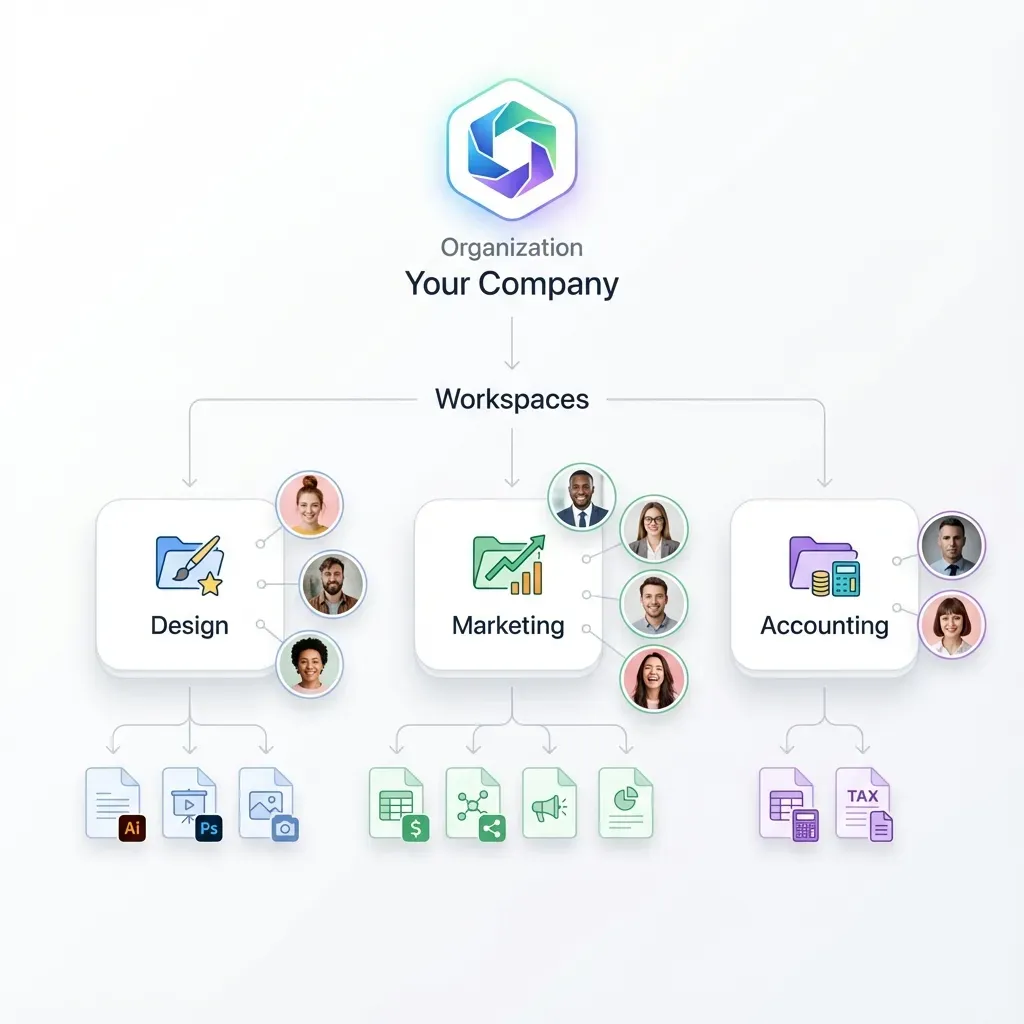
Organization matters more than most founders realize. When a VC associate opens your data room, they should find exactly what they need in under 30 seconds. Poor organization suggests poor operations.
Use this folder structure as a starting point:
01 - Corporate Documents
02 - Cap Table and Equity
03 - Financial Statements
04 - Legal and IP
05 - Customer Contracts
06 - Team and HR
07 - Product and Technology
08 - Pitch Materials
Number your folders so they display in a logical order. Within each folder, use clear file names with dates:
2026-01-Financial-Statements-Q4.pdf(good)financials final FINAL v2.xlsx(bad)
A few other organization principles:
Keep it current. Remove outdated documents. If an investor sees financial projections from 18 months ago, they'll wonder what else is stale.
Add a README. Include a brief document at the top level explaining what's in each folder and noting any items still in progress.
Use consistent formats. PDFs are safest for documents you don't want edited. Keep source files (Excel, Docs) in a separate "working files" subfolder if investors need them.
What Investors Actually Look At
Understanding investor behavior helps you prioritize what goes in your data room and how you present it.
Investors typically review documents in this order:
- Cap table - Who owns what, what's the dilution, are there any red flags?
- Financial statements - Revenue trajectory, burn rate, runway
- Customer contracts - Revenue concentration, contract terms, churn risk
- Corporate documents - Is the company set up correctly?
- Team agreements - IP assignments, non-competes, key person risk
Most VCs spend 60-70% of their due diligence time on the first three items. Get those sections right before worrying about the rest.
Good data room software shows you which documents investors view and how long they spend on each one. This is useful. If an investor spends 45 minutes on your customer contracts but skips your product roadmap, you know what matters to them. If they've viewed your materials but haven't responded, you have a data point for your follow-up.
Well-organized data rooms cut due diligence time by about 40% compared to sharing documents over email.
Choosing a Data Room for Your Startup
Enterprise VDR providers (Intralinks, Datasite, Firmex) charge thousands per month. That makes sense for billion-dollar M&A deals, but not for a seed-stage startup.
Here's what to look for in a data room that won't drain your runway:
Must-Have Features
- Folder-level permissions: Control who sees what at the folder and file level
- Access tracking: See who viewed which documents and when
- Link controls: Password protection, expiration dates, download restrictions
- Revoke access: Cut off access instantly when a deal falls through
Nice-to-Have Features
- Branded portal: Custom domain and logo for a professional look
- Watermarking: Dynamic watermarks on viewed documents
- View analytics: Time spent per document, scroll depth, engagement metrics
- Bulk upload: Drag-and-drop folder upload for fast setup
Pricing Considerations
Watch out for per-user pricing. If you're sharing with 10 different VC firms, each with 2-3 partners and associates reviewing documents, per-seat costs add up quickly.
Usage-based pricing works better for fundraising. You're uploading a fixed set of documents and sharing with a variable number of investors over a few months. Pay for what you use, not for seats you might need.
Security Best Practices
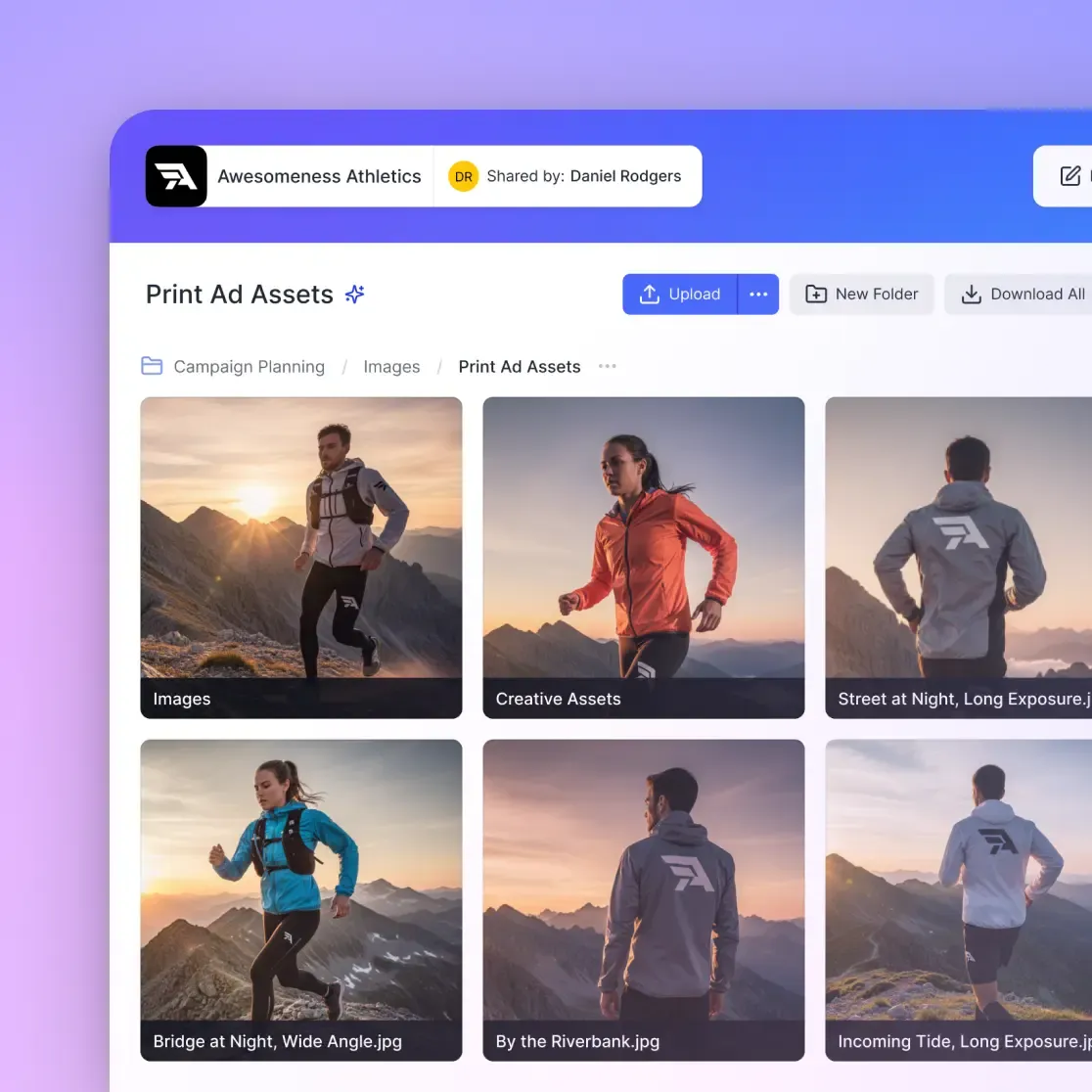
Your data room contains everything a competitor or bad actor would want to know about your business. Take security seriously.
Access Controls
- Require passwords for all external links
- Set expiration dates, especially for investors who pass on your deal
- Use view-only permissions by default, only enable downloads when specifically requested
- Restrict access by email domain for VC firms you're actively in discussions with
Audit and Monitoring
- Review access logs weekly during active fundraising
- Investigate any unexpected access patterns
- Revoke access immediately when an investor passes or goes quiet
Document Protection
- Enable watermarking on sensitive documents (financials, customer lists)
- Avoid uploading source files when PDFs work (PDFs are harder to tamper with)
- Keep your most sensitive items (detailed customer data, unannounced product plans) out of the initial data room. Share them only after deeper discussions.
Team Practices
- Limit who has admin access to the data room
- Use your company domain for the primary admin account
- Don't share login credentials between team members
Common Data Room Mistakes
These mistakes come up again and again. Avoid them:
Too much, too soon. Don't dump every document you've ever created into the data room. Start with the essentials. Add documents as investors request them. Overwhelming a VC with 200 files on day one signals disorganization, not transparency.
Outdated information. Nothing kills credibility faster than projections that don't match your current pitch or a cap table that hasn't been updated since your last round. Audit your data room monthly during fundraising.
No folder structure. A flat list of 50 files with cryptic names is a non-starter. Investors will assume your company is run the same way.
Forgetting to revoke access. Three months after closing your round, firms that passed still have access to your sensitive data. Build a checklist for post-round cleanup.
Sending files via email. Email attachments are impossible to track, can't be revoked, and end up forwarded to people you never intended to see them. Use your data room for everything.
Missing signatures. Board resolutions, stock grants, and contracts need to be fully executed. Investors flag unsigned documents as incomplete corporate hygiene.
Setting Up Your Data Room Step by Step
Here's a practical workflow for getting your data room ready for fundraising:
Week 1: Gather Documents
- Pull together everything from the checklist above
- Identify what's missing or needs updating
- Assign team members to fill gaps
Week 2: Organize and Upload
- Create your folder structure
- Rename files with clear, dated naming conventions
- Upload documents and verify nothing is corrupted
- Write your README document
Week 3: Test and Refine
- Share with a trusted advisor or existing investor
- Ask them to find specific documents, time how long it takes
- Gather feedback on organization and completeness
- Make adjustments based on feedback
Week 4: Launch
- Create investor-specific folders or links if needed
- Set up your access controls and permissions
- Brief your team on data room protocols
- Start sharing with investors
The goal is to complete setup before you start active fundraising conversations. Scrambling to find documents while investors wait is a bad look.
Frequently Asked Questions
What documents do VCs need in a data room?
VCs typically require corporate documents (incorporation certificate, bylaws, cap table), financial statements (historical and projections), legal documents (material contracts, IP assignments), and business materials (pitch deck, customer list, org chart). The exact requirements vary by stage, with later-stage rounds requiring more extensive documentation.
Do startups need a data room?
For pre-seed rounds from angels, you can often get by with a shared Google Drive folder. For seed rounds and beyond, a proper data room with access controls and audit logs is expected. 89% of institutional investors now require secure digital access to due diligence materials, making a data room effectively mandatory for VC fundraising.
How do I set up a data room for fundraising?
Start by gathering all required documents (corporate, financial, legal, business). Create a numbered folder structure for easy navigation. Upload documents with clear, dated file names. Set up access controls with passwords and expiration dates. Test with a trusted advisor before sharing with investors. Plan for 2-4 weeks of setup time.
What is the best free data room for startups?
Free options like Google Drive or Notion work for very early stages but lack audit logs, fine-grained permissions, and access revocation. For serious fundraising, look for usage-based pricing rather than per-seat costs. The security and analytics features of paid options typically pay for themselves in faster due diligence.
How long should investors have access to my data room?
Active investors should have access throughout due diligence, typically 2-3 months. Set link expiration dates for 30-60 days initially and extend as needed. Revoke access promptly when an investor passes or goes quiet for more than 2 weeks without explanation. After closing your round, revoke access for all investors who didn't participate.
Related Resources

Ready to set up your investor data room?
Fast.io data rooms give you folder-level permissions, view analytics, and branded portals without enterprise pricing.