Best Proton Drive Alternatives for Speed & Collaboration (2025)
Proton Drive is a privacy-focused cloud storage service from the makers of ProtonMail, offering end-to-end encryption. However, this heavy encryption often comes at the cost of transfer speed and collaboration features. This guide compares the best Proton Drive alternatives for users who need a balance of security, performance, and teamwork tools.

Why Look for a Proton Drive Alternative?
Proton Drive launched in 2022 with a clear mission: maximum privacy through end-to-end encryption (E2EE). For individuals storing highly sensitive personal documents, it is an excellent choice. But for businesses and creative teams, the very features that make it secure can become bottlenecks.
The Speed Trade-off: E2EE requires files to be encrypted on your device before uploading and decrypted after downloading. This process significantly slows down file access speeds compared to standard cloud storage.
Collaboration Limits: Because the server cannot "see" the files (zero-knowledge), it cannot offer server-side features like video streaming, instant previews of professional formats, or real-time document co-editing without complex workarounds.
Team Management: Proton Drive's "personal-first" architecture makes it difficult to manage organization-wide files. If an employee leaves, transferring their encrypted data to another user is often a manual and difficult process.
If you need faster transfers, professional media previews, or powerful team collaboration, you might need an alternative that balances security with productivity.
Top 5 Proton Drive Alternatives
1. Fast.io
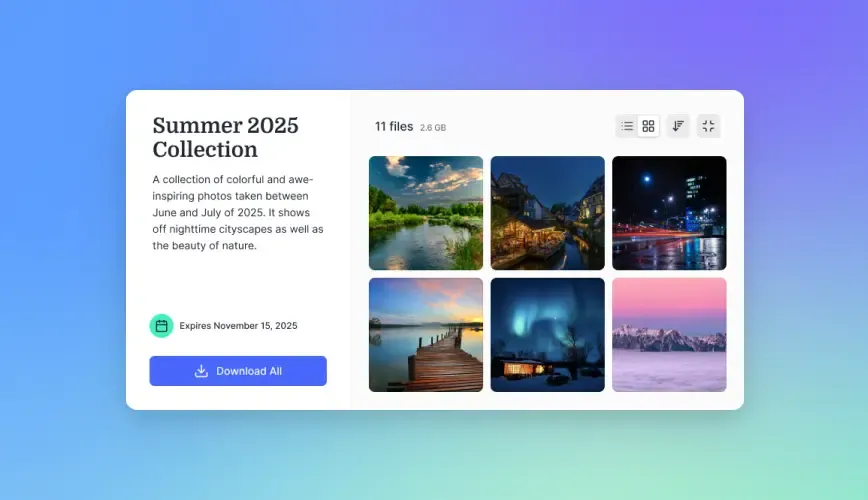
Fast.io is built for teams who need speed without sacrificing security. Unlike Proton Drive's pure storage focus, Fast.io offers "Intelligence at Every Layer," integrating AI context with your files. It uses standard encryption (AES-256) which allows for server-side features like HLS video streaming and instant previews that Proton Drive cannot support.
Best for: Teams, creatives, and businesses needing high-speed collaboration
Pros:
- Fastest Transfer Speeds: No client-side encryption bottleneck means uploads max out your bandwidth.
- Organization-Owned Files: Data belongs to the company, not the user, preventing data loss when employees leave.
- Usage-Based Pricing: Pay for what you use, rather than expensive per-seat licenses.
- AI Context: Bridge files to AI agents without re-uploading.
Cons:
- Not end-to-end encrypted (uses encryption at rest/transit), which may not suit whistleblowers or extreme privacy use cases.
2. Tresorit
Tresorit is the closest direct competitor to Proton Drive in terms of security architecture. It offers end-to-end encryption but with a more polished, business-focused interface.
Best for: Businesses requiring E2EE compliance (e.g., legal, healthcare)
Pros:
- Zero-Knowledge Privacy: Only you hold the encryption keys.
- Data Residency Options: Choose where your data is stored (EU, US, etc.).
- Outlook Integration: Securely send attachments via email.
Cons:
- Expensive: Significantly higher cost per user than most competitors.
- Slower Speeds: Like Proton, encryption adds latency.
3. Google Drive
For pure collaboration, Google Drive is the industry standard. It sacrifices the zero-knowledge privacy of Proton Drive for unmatched co-editing and integration.
Best for: General office productivity and real-time document editing
Pros:
- Real-Time Collaboration: Excellent co-editing for Docs, Sheets, and Slides.
- Integration: Works directly with Gmail, Calendar, and Meet.
- Generous Free Tier: 15GB free to start.
Cons:
- Privacy Concerns: Google scans files for indexing and potentially other purposes.
- Not "Zero-Knowledge": Google holds the keys to your data.
4. pCloud
pCloud sits in the middle ground. It offers standard fast storage by default but includes a "Crypto" folder for files that need end-to-end encryption. This hybrid approach lets you choose speed or privacy file-by-file.
Best for: Individuals wanting a one-time payment (Lifetime plans)
Pros:
- Lifetime Pricing: Pay once for permanent storage.
- Built-in Media Player: Decent audio and video playback.
- Hybrid Security: Choose which files get E2EE.
Cons:
- Encryption costs extra: The "Crypto" feature is a paid add-on.
- Limited Collaboration: Fewer team features than Fast.io or Google.
5. Dropbox
Dropbox popularized file sync and remains a strong contender for speed. While it lacks Proton's default privacy focus, it offers add-ons for security and is widely compatible.
Best for: Broad compatibility and reliable syncing
Pros:
- Block-Level Sync: Updates large files faster by only syncing changes.
- Universal Adoption: Most clients and partners already have it.
- Dropbox Replay: Good video review tools (extra cost).
Cons:
- Expensive: High per-user costs.
- Privacy: Like Google, it is not zero-knowledge by default.
Comparison: Privacy vs. Speed vs. Features
| Feature | Proton Drive | Fast.io | Tresorit | Google Drive |
|---|---|---|---|---|
| Encryption | End-to-End | At Rest & Transit | End-to-End | At Rest & Transit |
| Transfer Speed | Slow (Decryption overhead) | Very Fast | Medium | Fast |
| Video Streaming | No (Download required) | Yes (HLS Adaptive) | No | Yes (Progressive) |
| File Ownership | Personal Account | Organization | Personal/Team | Personal Account |
| Pricing Model | Per User | Usage-Based | Per User | Per User |
| AI Features | None | AI Agent Context | None | Gemini Integration |
Why 'Organization-Owned' Files Matter for Business
One specific weakness of Proton Drive for business is its account structure. Like standard Google Drive or Dropbox accounts, files are tied to the individual user.
The Risk: If an employee leaves your company, their files are in their private, encrypted vault. Recovering this data can be difficult or impossible without their cooperation.
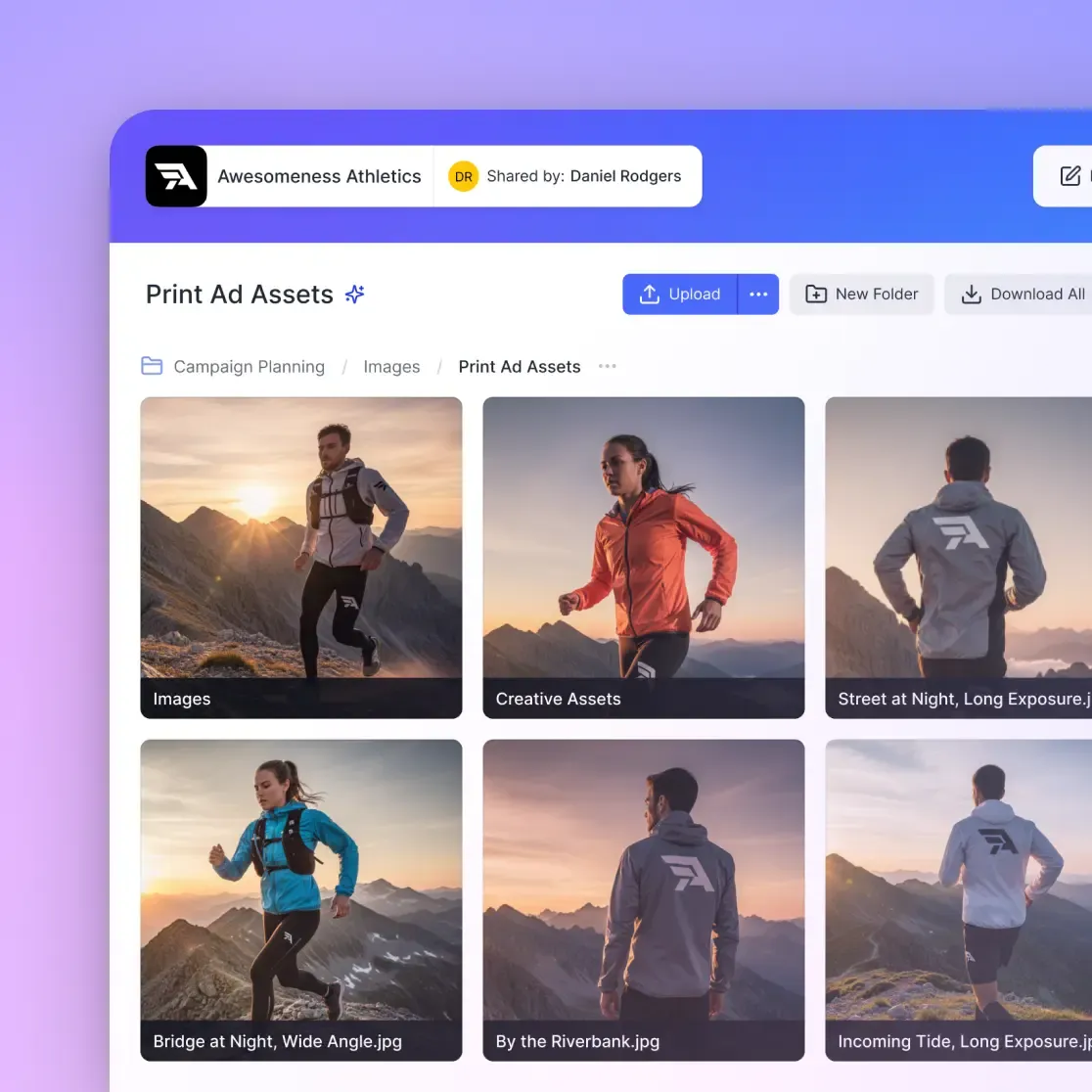
The Alternative: Fast.io uses an "Organization-Owned" model. Files belong to the workspace, not the person. When you remove a user, the files remain exactly where they are, preserving the company's knowledge base and project history. This structure is essential for long-term business continuity.
Choosing the Right Alternative
Your choice depends on what you value most:
Choose Tresorit if you absolutely need Proton Drive's level of encryption but require slightly better business management tools. It is the direct "Proton for Business" alternative.
Choose Fast.io if your priority is workflow speed, handling large media files, and team collaboration. The ability to stream video, preview professional assets, and invite unlimited guests makes it superior for active projects.
Choose Google Drive if your team lives in spreadsheets and documents. The convenience of real-time editing outweighs the privacy trade-offs for general office work.
Choose pCloud if you are a freelancer who wants to avoid monthly subscriptions. Their lifetime plans offer good value for personal storage.
Common Questions About Proton Drive Competitors
Is Proton Drive better than Google Drive?
Proton Drive is better for privacy because Google cannot access your files. Google Drive is better for productivity due to its integrated office suite and faster performance.
What are the downsides of Proton Drive?
The main downsides are slower file access speeds due to encryption, a lack of third-party integrations, and limited collaboration features like video streaming or file previews for professional formats.
Is Proton Drive good for business?
It is good for businesses with extreme secrecy requirements (e.g., law firms handling sensitive IP). For general businesses, the lack of central administration features and slow speeds can hinder daily operations.
Frequently Asked Questions
Which Proton Drive alternative is fastest?
Fast.io and Google Drive are significantly faster than Proton Drive because they do not require client-side decryption for every file access. Fast.io is particularly optimized for large file transfers and media streaming.
Is there a free alternative to Proton Drive?
Yes, standard cloud providers like Google Drive (15GB) and MEGA (20GB) offer generous free tiers. However, they monetize your data or lack the privacy focus of Proton. Fast.io offers a trial but focuses on professional teams.
Can I collaborate on files with Proton Drive?
Collaboration on Proton Drive is limited compared to alternatives. You can share links, but real-time co-editing and rich media previews are not supported due to the zero-knowledge encryption architecture.
What is the most secure alternative to Proton Drive?
Tresorit is the most secure alternative, offering similar end-to-end encryption and zero-knowledge privacy, but with better compliance features for enterprise businesses.
Related Resources

Need Speed and Security?
Get the best of both worlds with Fast.io's secure, high-speed team storage. No per-seat limits.