How to Choose a Video Delivery Service for Professional Projects
Production companies and content creators need to deliver video files that arrive exactly as they left the timeline, with no quality loss. This guide covers what makes a video delivery service work for professionals, how to evaluate options, and the specific features that separate consumer tools from production-grade platforms.
What Is a Video Delivery Service?
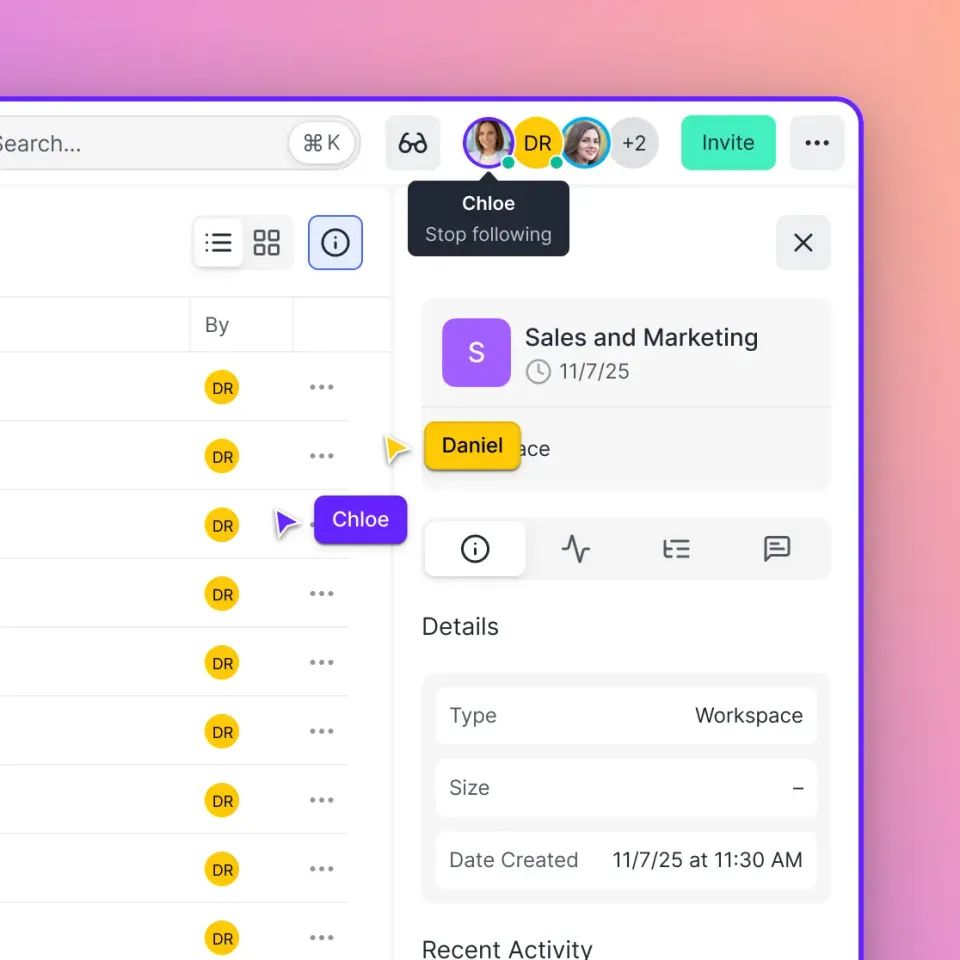
A video delivery service enables production companies and creators to securely transfer high-quality video files to clients and partners with tracking and professional presentation. Unlike consumer file sharing tools that prioritize convenience over quality, professional video delivery platforms preserve your exports exactly as rendered. A ProRes 4K file reaches 1GB per minute of footage. H.264 masters for broadcast can hit 100GB for a 30-minute program. Consumer platforms either reject these files outright or compress them during upload. The distinction matters because post-production workflows depend on specific codecs and quality levels. When a colorist delivers a graded master, the client needs that exact file, not a re-encoded version with altered color values. When an editor sends dailies for review, the director needs to see the actual footage, not a compressed preview.
Why Consumer File Sharing Falls Short
Email attachments cap at 25MB. WeTransfer's free tier limits you to 2GB. Google Drive and Dropbox use progressive download, which means clients wait for the entire file to download before playback. The bigger problem is compression. Some platforms re-encode uploads to save storage costs. Others transcode on download. Either way, the file your client receives differs from the file you sent. For internal transfers between team members, this might be acceptable. For client deliveries where you're responsible for the output quality, it's a liability. Clients who receive a compressed file may assume you delivered poor quality work. Consumer tools also lack:
- Delivery tracking (did the client actually download the file?)
- Version management (which cut did they review?)
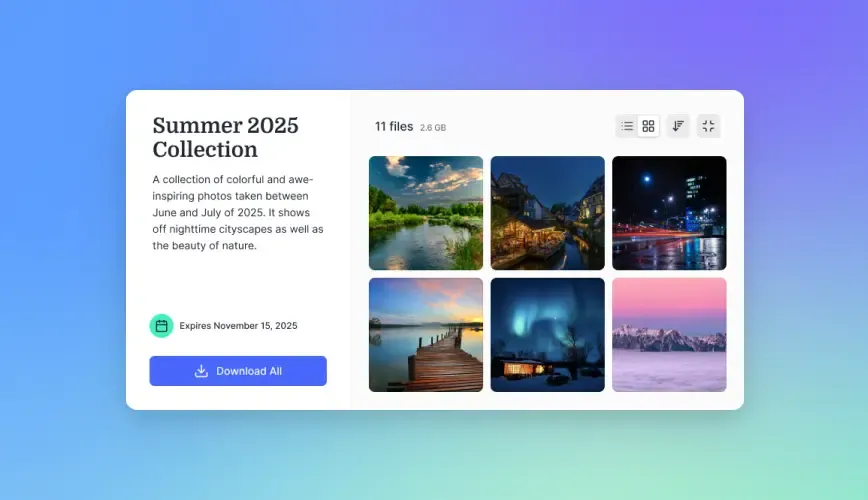
- Professional presentation (branded download pages)
- Expiration controls (removing access after project completion)
Key Features for Professional Video Delivery
File Size Handling
Production files are large. A single 30-second spot in ProRes 4K 4444 runs roughly 30GB. Feature film DCPs are typically large. Your delivery platform needs to handle these sizes without timing out, chunking errors, or upload failures. Look for platforms that use accelerated transfer protocols. Standard HTTP uploads struggle with large files over consumer internet connections. Specialized protocols can achieve faster speeds by optimizing packet delivery.
Original Quality Preservation
The platform should store and deliver your exact file. No transcoding on upload. No re-encoding on download. The bytes your client receives should match the bytes you uploaded. Some platforms generate preview versions for browser playback while preserving the original for download. This approach works well, but verify that the download delivers the source file, not the preview proxy.
Streaming Previews
Clients need to review deliverables before downloading large files. HLS (HTTP Live Streaming) enables instant playback without waiting for complete downloads. The client clicks play and the video starts immediately, streaming at adaptive quality based on their connection. This isn't just convenience. It's practical. A producer on set with limited bandwidth can review a cut on their phone. An agency creative director can share a link with their team without everyone downloading massive files.
Delivery Tracking
Knowing that a file uploaded isn't the same as knowing a client received it. Professional delivery platforms track:
- When the recipient opened the link
- Whether they previewed the video
- When (or if) they downloaded the file
- Total time spent viewing
This tracking closes the loop on delivery. When a client claims they never received the final export, you have records showing they accessed it three times.


Share Files Without Limits on Fast.io
Fast.io preserves original quality with HLS streaming previews and delivery tracking built for production teams.
How to Deliver Video Files to Clients
Step 1: Export at Delivery Specs
Before uploading, confirm the client's technical requirements. Broadcast deliveries have specific codec, bitrate, and container requirements. Web deliveries need different specs. Theatrical needs yet another format. Most client deliveries require multiple versions:
- Broadcast master (ProRes or DNxHD)
- Web-optimized (H.264 or H.265)
- Social cuts (various aspect ratios)
- Textless versions for international
Step 2: Organize Your Delivery Package
Group related files logically. Create folders for each deliverable type. Include any required documentation (technical specs, music cue sheets, credits). Name files . "Final_v3_REVISED_final_FINAL.mov" doesn't help anyone. Use a naming convention that includes project, version, date, and format: "ProjectName_Master_v1_20260130_ProRes4444.mov"
Step 3: Upload and Configure Sharing
Upload your files and set appropriate controls:
- Password protection for sensitive content
- Expiration dates to remove access after project completion
- Download limits if you're concerned about redistribution
- Watermarking for review copies that shouldn't be used as finals
Step 4: Deliver with Context
Don't just send a link. Include:
- What's in the delivery
- Technical specifications
- Any viewing instructions
- Your contact for questions
A branded portal with your logo and project details looks better than a generic file sharing link.
Comparing Video Delivery Platforms
Dedicated Video Delivery Tools
MASV specializes in large file transfer for media and entertainment. Pricing runs per GB transferred.
IBM Aspera uses FASP protocol for accelerated transfers. It's the enterprise standard for broadcast and post facilities. The cost reflects that positioning, with licensing fees that suit large organizations.
Latakoo targets news and broadcast workflows specifically. It includes transcoding features for rapid turnaround scenarios.
General Cloud Storage with Video Features
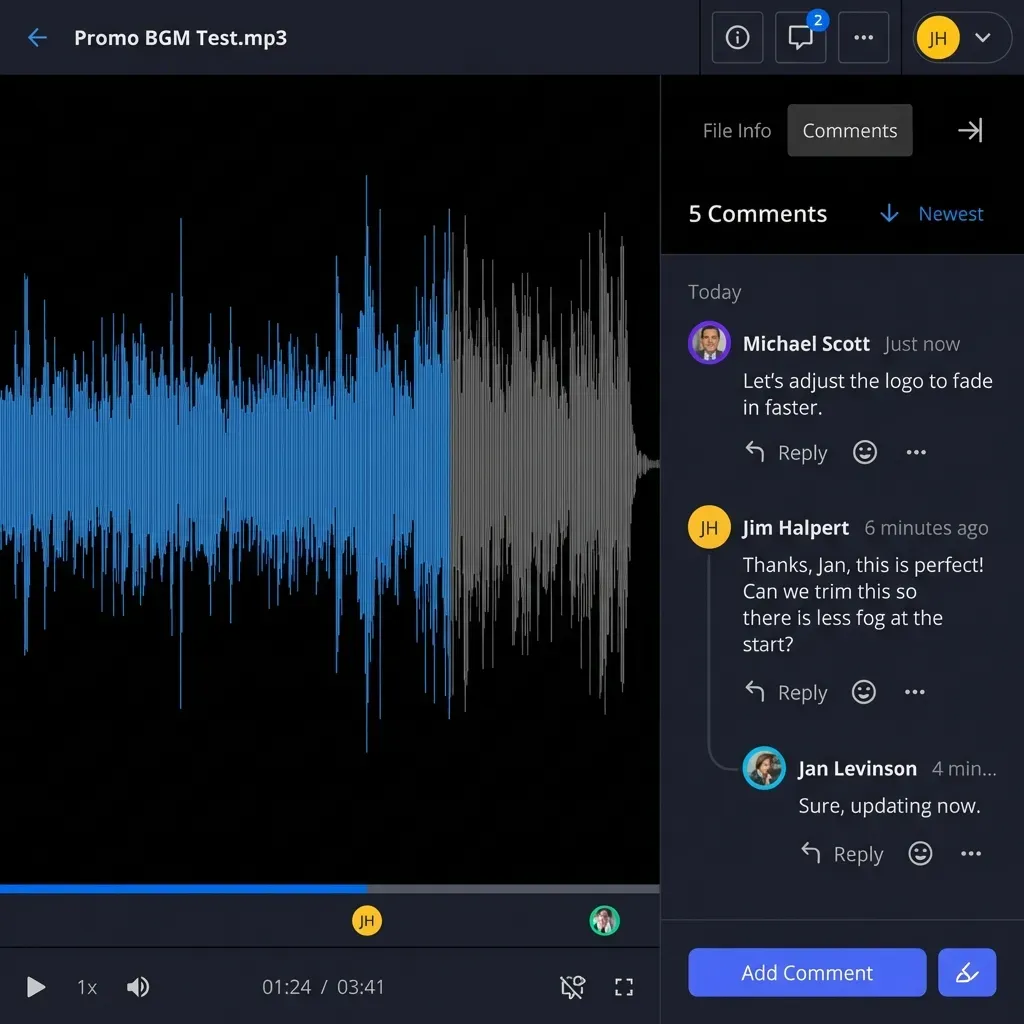
Fast.io combines persistent storage with HLS video streaming. Files live in organized workspaces rather than expiring after transfer. Frame-accurate commenting supports review workflows, and branded client portals present deliveries professionally. The usage-based pricing model means you're not paying per-seat for occasional external collaborators.
Dropbox offers video previews but uses progressive download rather than true streaming. Large files can't play until fully downloaded.
Google Drive provides basic video playback. Organization relies on folder structures that become unwieldy across multiple clients and projects.
What Production Companies Actually Need
Most teams need a combination of capabilities:
- Large file handling (no size limits that interfere with real deliverables)
- Quality preservation (exact file delivery)
- Streaming preview (clients can review without downloading)
- Tracking (proof of delivery)
- Organization (files stay accessible, not just transferred)
The "best" platform depends on your workflow. High-volume transfer shops might optimize for per-GB costs. Boutique agencies might prioritize presentation and client experience. Post houses might need integration with their existing MAM systems.
Setting Up a Video Delivery Workflow
Establish Delivery Templates
Create standard packages for common delivery types. A broadcast delivery template includes your usual export settings, required documentation, and standard recipient messaging. When you need to deliver, you follow the template rather than figuring it out each time.
Automate Where Possible
Some platforms support watch folders that automatically upload and share files when you export to a specific location. This removes manual steps and reduces the chance of sending the wrong file.
Document Your Process
Write down your delivery workflow. New team members should be able to follow the process without tribal knowledge. Include:
- Export specifications for each client
- Naming conventions
- Platform login credentials (securely stored)
- Client contact information for delivery notifications
Plan for Access Management
When projects end, client access should end too. Schedule regular reviews of shared links and remove access to completed projects. This protects both you and your clients from unauthorized access to old content.
Frequently Asked Questions
How do you deliver video files to clients?
Upload your exported video to a professional delivery platform that preserves original quality. Configure sharing with appropriate password protection and expiration dates. Send the client a link with context about what's included and technical specifications. Track their access to confirm receipt.
What is the best way to send large video files?
Use a platform designed for large media files, not general-purpose file sharing. Look for accelerated upload protocols, no file size limits, and HLS streaming so clients can preview before downloading. Avoid platforms that compress or re-encode your uploads.
How do production companies deliver videos?
Production companies typically use dedicated delivery platforms like MASV, Aspera, or Fast.io that handle large files and preserve quality. They create organized delivery packages with multiple format versions, use branded portals for professional presentation, and track downloads to confirm receipt.
What file format should I use for video delivery?
It depends on the destination. Broadcast typically requires ProRes 422 HQ or DNxHD. Web delivery uses H.264 or HEVC at appropriate bitrates. Theatrical needs DCP format. Always confirm specifications with your client before export, as requirements vary by broadcaster and platform.
How long should video delivery links remain active?
Set expirations based on project needs. Active projects might keep links available for weeks or months during revision cycles. Final deliveries should expire after confirmed receipt. Sensitive content like unreleased trailers warrants much shorter windows.
Related Resources

Share Files Without Limits on Fast.io
Fast.io preserves original quality with HLS streaming previews and delivery tracking built for production teams.