How to Set Up a Video Review and Approval Workflow That Works
Video review and approval is a structured workflow where stakeholders provide timestamped feedback on video content before final delivery. Projects typically go through multiple revision rounds, and teams spend a significant portion of project time on feedback coordination. This guide shows you how to build a workflow that reduces both substantially.
What Is a Video Review and Approval Workflow?
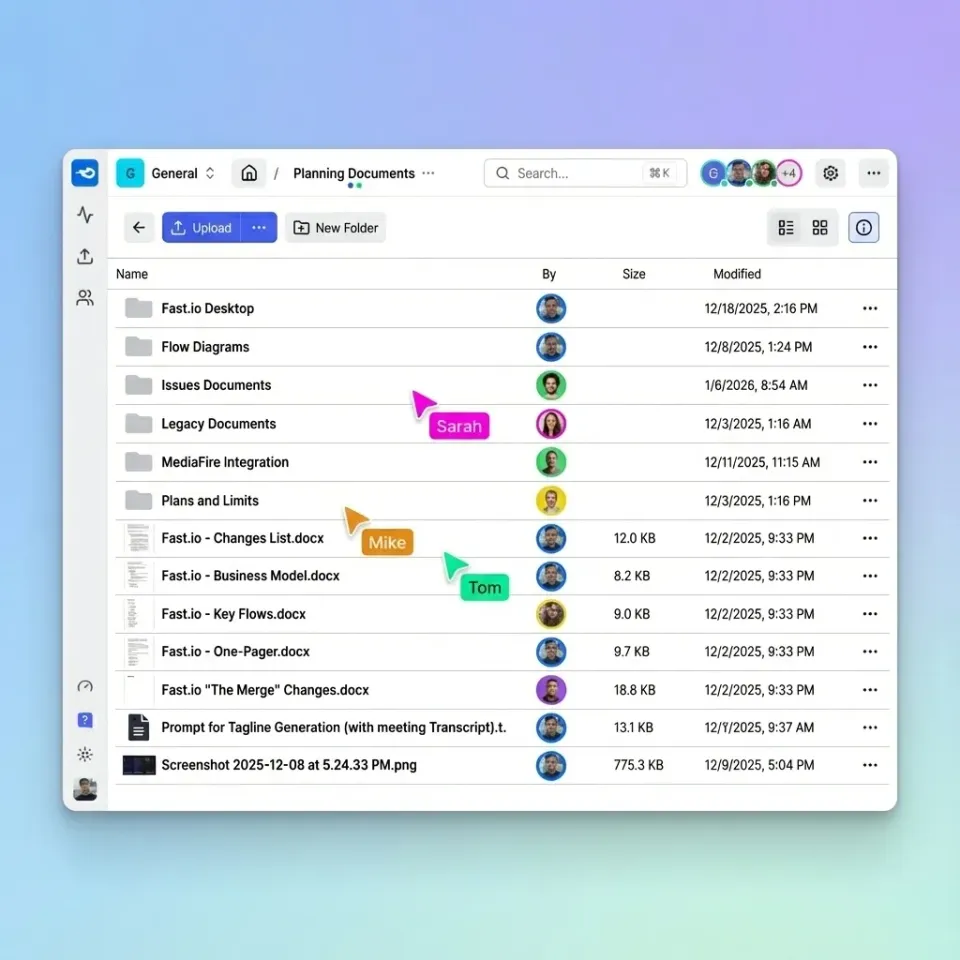
A video review and approval workflow is a defined process for collecting feedback, making revisions, and getting sign-off on video content. It replaces the chaos of scattered emails, Slack threads, and phone calls with a single system everyone follows. The typical workflow has five stages:
- Upload and share - Editor uploads a cut to a central location and notifies reviewers
- Review and comment - Stakeholders watch and leave timestamped feedback
- Consolidate feedback - Someone (usually the editor or producer) organizes comments into actionable notes
- Revise - Editor addresses feedback and uploads a new version
- Approve or repeat - Stakeholders either sign off or the cycle repeats
Without this structure, feedback arrives in fragments. Legal sends notes by email. The creative director pings you on Slack. The client calls with "a few thoughts." You end up playing detective instead of editing.
Helpful references: Fast.io Workspaces, Fast.io Collaboration, and Fast.io AI.
Why Most Video Review Workflows Break Down
Teams spend a significant portion of video project time on feedback coordination, rather than creative work. That's not because feedback is inherently slow. It's because most workflows have structural problems.
Feedback Is Scattered Across Channels
When comments live in email, Slack, text messages, and sticky notes, someone has to consolidate them. That consolidation step introduces errors. "Can you fix the thing at the beginning?" becomes a guessing game.
No Single Source of Truth
Which version are we reviewing? The one in Dropbox, the Frame.io link, or the MP4 attached to yesterday's email? Version confusion creates two problems: reviewers comment on old cuts, and editors implement feedback that's already been addressed.
Unclear Authority
Who has final say? When three stakeholders give conflicting feedback, editors are stuck. "Make it shorter" plus "add more context" plus "I liked it longer" doesn't turn into an action item.
Missing Deadlines and Follow-ups
Without due dates, review requests sit in inboxes. A short review can stretch into weeks because nobody chased the approver.
The Five-Step Review Process That Works
Here's a workflow that addresses the common breakdowns. Adapt it to your team size and project complexity.
Step 1: Define Roles Before Production Starts
Before the first frame is shot, document who will be involved in review:
- Primary reviewer: Has final approval authority. Usually the client, creative director, or project lead.
- Secondary reviewers: Provide input but don't have veto power. Could be legal, brand, or subject matter experts.
- Editor/producer: Consolidates feedback, manages versions, and communicates status. Use a RACI matrix if you have more than a handful of stakeholders. R (Responsible) does the work. A (Accountable) gives final approval. C (Consulted) provides input. I (Informed) just needs updates.
Step 2: Set Expectations in the Kick-off
Before you share the first cut, have a brief kickoff conversation covering:
- Number of revision rounds included (typically two or three)
- Turnaround time for each review (two to three days is reasonable)
- What "approval" means (can we deliver, or just proceed to next stage?)
- What happens if deadlines slip
This conversation prevents scope creep. When a client says "just one more round" for the fifth time, you can point to the agreed terms.
Step 3: Centralize Everything in One Platform
Pick a single location for all review activity. Video, comments, versions, and approvals should live together. Options include:
- Dedicated video review tools (Frame.io, Wipster)
- Workspace-based platforms (Fast.io, Dropbox)
- Multi-format proofing tools (Filestage, Ziflow)
The specific tool matters less than the commitment to use it exclusively. If one stakeholder emails feedback while everyone else uses the platform, you're back to fragmentation.


Collaborate on Files with Your Team
HLS streaming, frame-accurate comments, and activity tracking. See who's watching and what they think.
Step Four: Structure Your Feedback Collection
How you ask for feedback shapes what you get back. Unstructured requests ("let me know what you think") produce unstructured responses.
Use Time-Coded Comments
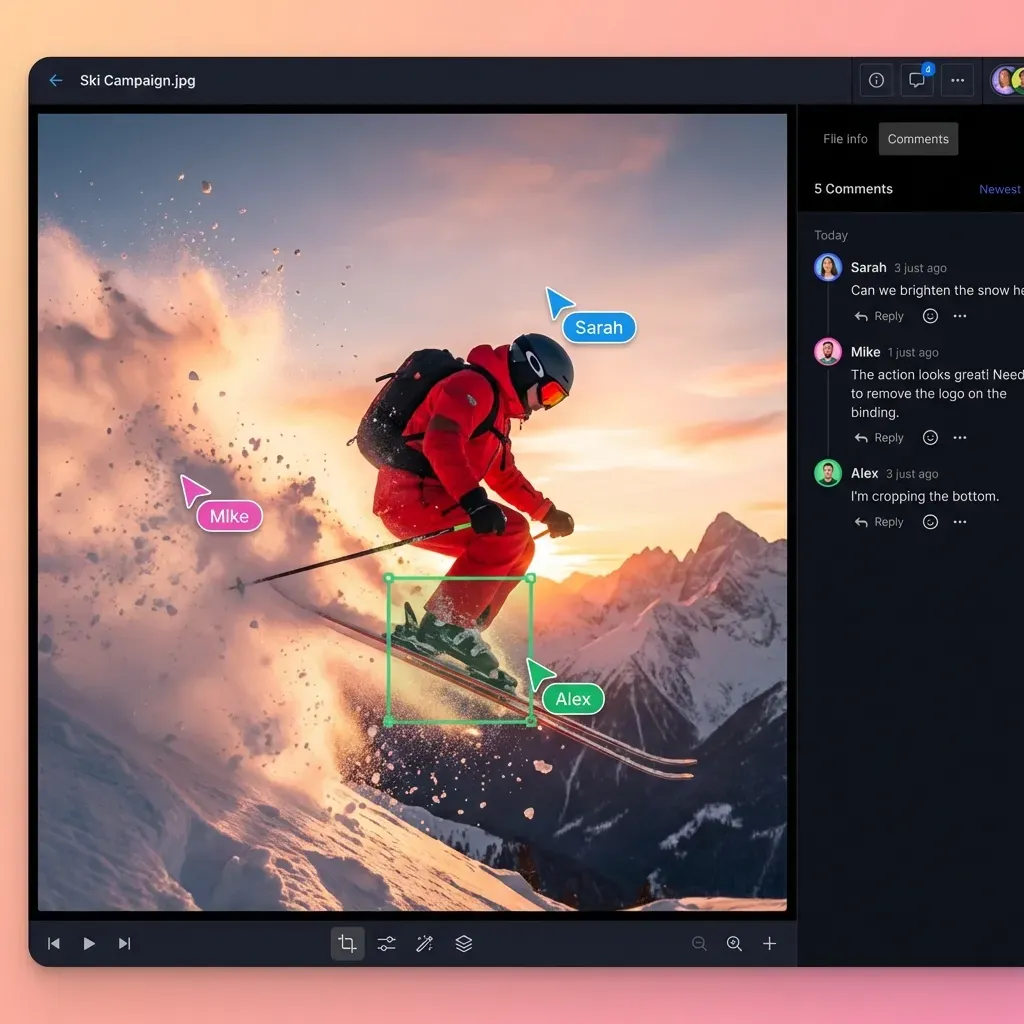
Every piece of feedback should attach to a specific moment. "The transition there feels abrupt" is actionable. "Some of the transitions feel off" is not. The best review platforms anchor comments to exact frames. Reviewers click on a moment, type their note, and the system records the timecode automatically.
Provide Context With Each Review Request
When you share a cut, include:
- What stage this is (rough cut, fine cut, final)
- What kind of feedback you need (creative direction, technical review, legal compliance)
- What's locked vs. still flexible (music, graphics, narrative structure)
- Deadline for comments
A rough cut review should focus on story and pacing. A final review should catch typos and technical issues. If you don't specify, you'll get story notes on a locked cut.
Batch Feedback Before Revisions
Set a hard deadline for comments. Start revisions only after that deadline passes. This prevents the cycle where you fix several comments only for more to arrive, with later ones conflicting with earlier fixes. Some teams use a two-day review window. Others schedule live review sessions where everyone watches together. The format matters less than the principle: collect everything before you cut anything.
Step Five: Get Clear Approvals
The hardest part of video review isn't collecting feedback. It's knowing when you're done.
Define What "Approved" Means
An approval should be explicit, not implied. "Looks good to me" in an email isn't the same as clicking an "Approve" button in a review system. Good approval systems have:
- A clear approve/request changes binary
- A record of who approved and when
- Version locking so approved cuts can't be accidentally modified
- Notification when all required approvals are in
Handle Conflicting Feedback
When two stakeholders disagree, escalate to the person with final authority. Don't try to satisfy both by averaging their opinions. "Make it a little shorter" (when one said cut thirty seconds and one said don't cut anything) satisfies nobody. Document the decision and who made it. This protects you if someone later asks why you didn't implement their feedback.
Close the Loop
When a video is approved, communicate :
- Confirm approval was received
- State the version number that's approved
- Outline next steps (delivery format, timeline, where files will be sent)
Ambiguity at the end creates problems at delivery. "I thought we were doing one more round" shouldn't happen.
Choosing Tools for Your Workflow
Your tools should support the workflow, not dictate it. Here's what to prioritize.
Video Playback Quality Matters
If reviewers have to download files or wait for buffering, they'll procrastinate on reviews. Instant playback (HLS streaming) removes friction. Fast.io streams video so reviewers can scrub to any point and start watching immediately. No downloads, no "my computer can't play this format" problems.
Frame-Accurate Feedback Is Non-Negotiable
Vague feedback creates extra revision rounds. Insist on a platform where comments attach to specific frames. The editor should see exactly where feedback applies without guessing.
Track Activity, Not Just Comments
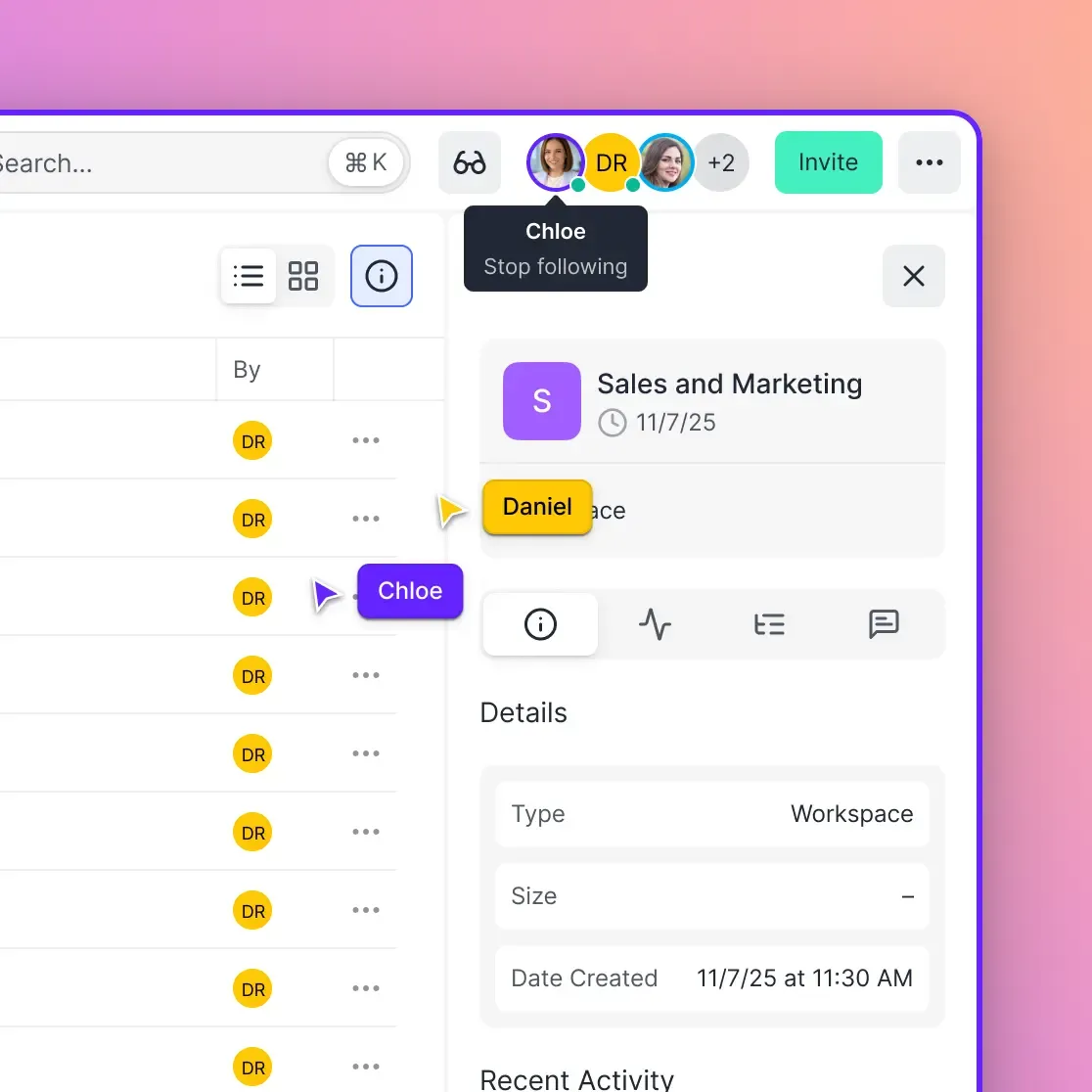
Knowing that a stakeholder viewed the video but didn't comment is useful information. Maybe they approved silently. Maybe they're waiting for someone else. Activity tracking shows you who's engaged and who needs a nudge. Fast.io's activity feed shows who viewed what and when. You can see if a reviewer watched the whole video or stopped thirty seconds in.
Support External Reviewers
Clients and external stakeholders shouldn't need accounts or software downloads. The review process should be frictionless for people who don't work with video daily. Branded client portals let you send a professional-looking link. The reviewer clicks, watches, comments. No login required.
Common Workflow Mistakes to Avoid
Even with good tools and clear processes, teams make predictable errors.
Skipping the Rough Cut Review
It's tempting to polish before showing anyone. But major story or structure changes are cheap to make in a rough cut and expensive to make in a final. Get feedback early when changes are easy.
Too Many Reviewers
Every additional reviewer increases the chance of conflicting feedback. Limit primary reviewers to two or three people with clear authority. Others can be informed without being asked to approve.
No Consolidation Step
Raw feedback from five stakeholders isn't an edit list. Someone needs to synthesize, prioritize, and resolve conflicts before the editor starts work. This step is often skipped because it feels administrative. It's actually where you prevent wasted effort.
Treating All Rounds the Same
A rough cut review and a final review have different goals. A rough cut should focus on: Does the story work? Is the pacing right? Is anything missing? A final review should focus on: Are there technical issues? Typos in lower thirds? Compliance problems? Scope your feedback requests to match the stage.
Not Setting Version Limits
"Unlimited revisions" sounds client-friendly but creates project creep. Define how many rounds are included upfront. Additional rounds can be accommodated but should require explicit agreement.
Workflow Templates by Team Type
Agency to Client Workflow
- Internal creative review (creative director signs off)
- Client review round 1 (consolidated feedback)
- Revisions
- Client review round 2 (minor changes only)
- Final approval
- Delivery
Keep client rounds focused. Present polished work, not experiments.
In-House Marketing Team Workflow
- Stakeholder kickoff (align on goals)
- Rough cut review (marketing lead + subject expert)
- Revisions
- Legal/compliance review (if needed)
- Final approval from marketing director
- Distribution
Fewer handoffs mean faster delivery. Help the marketing lead to make most decisions without escalation.
Post-Production House Workflow
- Director review (creative intent)
- Producer review (scope and schedule)
- Client review round 1
- Revisions with director check
- Client review round 2
- Final approval
- Delivery and archive
Keep the director involved throughout to maintain creative vision.
Frequently Asked Questions
How do you manage video approvals?
Define who needs to approve before the project starts. Use a centralized platform where all feedback and approvals are recorded. Set clear deadlines for each review round. Require explicit approval (a button click, not an email reply) before marking a video as final.
What is the best way to get feedback on a video?
Share the video in a platform that supports time-coded comments. Provide context about what stage the cut is and what kind of feedback you need. Set a deadline and batch all feedback before starting revisions. Follow up with silent reviewers before the deadline passes.
How do you speed up video review?
Reduce the number of reviewers to only those with decision-making authority. Use a single platform for all feedback. Set expectations about revision rounds upfront. Batch feedback before each revision cycle instead of making changes as comments arrive.
What causes video approval delays?
Common causes include unclear ownership (nobody knows who has final say), scattered feedback across multiple channels, waiting for stragglers instead of enforcing deadlines, and conflicting feedback that requires escalation. Defining roles and deadlines upfront prevents most delays.
How many revision rounds should a video project have?
Most professional video projects include two or three revision rounds by default. Complex projects with multiple stakeholders may need more. Setting a specific number upfront prevents scope creep. Additional rounds beyond the agreed number should require explicit approval and may affect budget or timeline.
Related Resources

Collaborate on Files with Your Team
HLS streaming, frame-accurate comments, and activity tracking. See who's watching and what they think.