How to Use White Label File Sharing for Your Business
White label file sharing allows businesses to use a file sharing platform under their own brand, with custom logos, colors, and domains. This gives clients a professional experience without building your own infrastructure. This guide covers what to look for in a white label solution and how to set one up.
What Is White Label File Sharing?
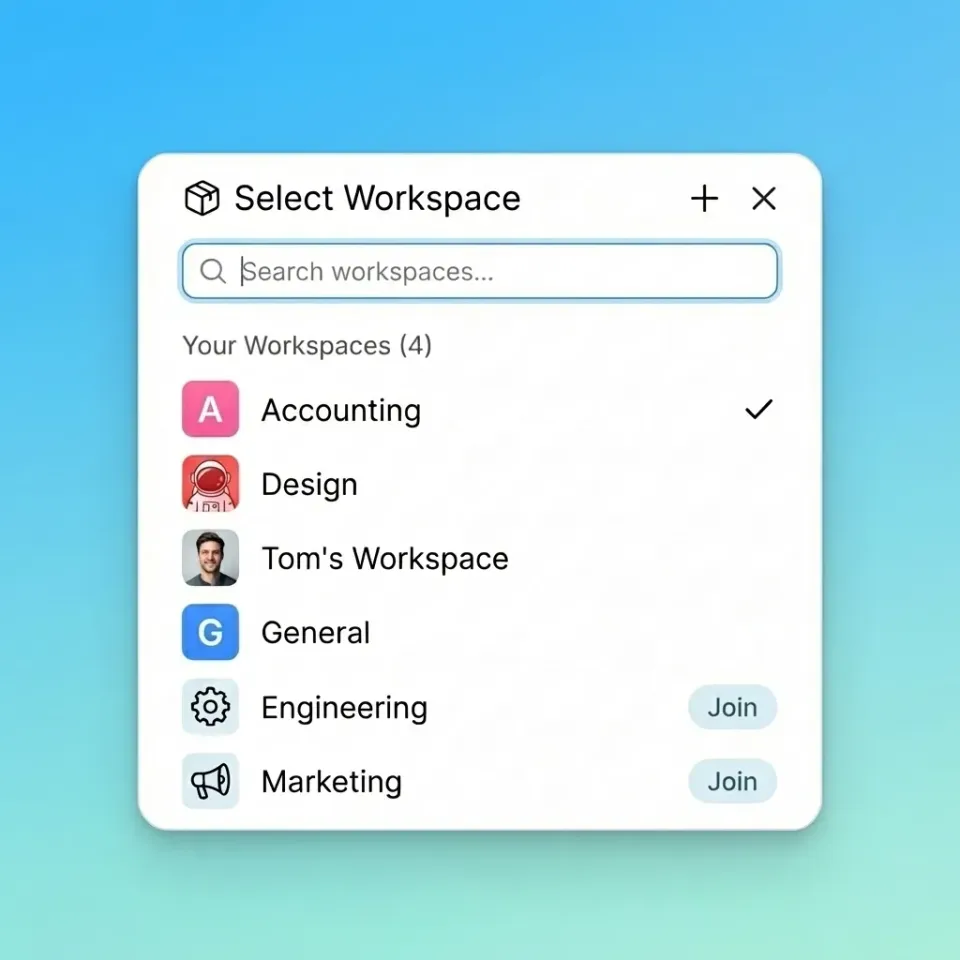
White label file sharing is a file sharing platform you can rebrand as your own. Instead of clients seeing "Powered by Dropbox" or another company's logo, they see your brand throughout the experience. The platform handles the technical infrastructure. You handle the branding. Clients interact with what looks like your custom-built solution. A white label setup typically includes:
- Custom logo and colors: Your visual identity on every screen
- Custom domain: files.yourcompany.com instead of thirdparty.com/yourcompany
- Branded emails: Notifications come from your domain, not the platform's
- Custom login page: Clients authenticate through your branded portal
The technical term is "multi-tenant architecture." The platform serves many businesses from the same infrastructure, but each business presents a unique face to their clients.
Helpful references: Fast.io Workspaces, Fast.io Collaboration, and Fast.io AI.
Who Needs White Label File Sharing?
White label makes sense when your file sharing is client-facing and branding matters. Three groups benefit most:
Agencies and Creative Studios
Agencies send deliverables to clients constantly. Using a generic file sharing service means every delivery reminds clients that you rely on third-party tools. A white label portal positions you as more professional and organized. When clients see your brand throughout the file delivery process, they perceive higher value in your services. Generic tools signal "we're using someone else's software." Branded portals signal "we have our systems dialed in."
Managed Service Providers (MSPs)
MSPs resell technology services to businesses. White label file sharing lets you offer file storage and sharing as part of your service package without building the infrastructure yourself. Platforms like CentreStack are built specifically for this reseller model.
Professional Services Firms
Law firms, accounting practices, and consultancies share sensitive documents with clients. A branded portal looks more trustworthy than a generic file transfer link. When you're asking clients to share sensitive financials or legal documents, "upload here: wetransfer.com/abc123" doesn't inspire confidence.
Features to Look for in White Label Platforms
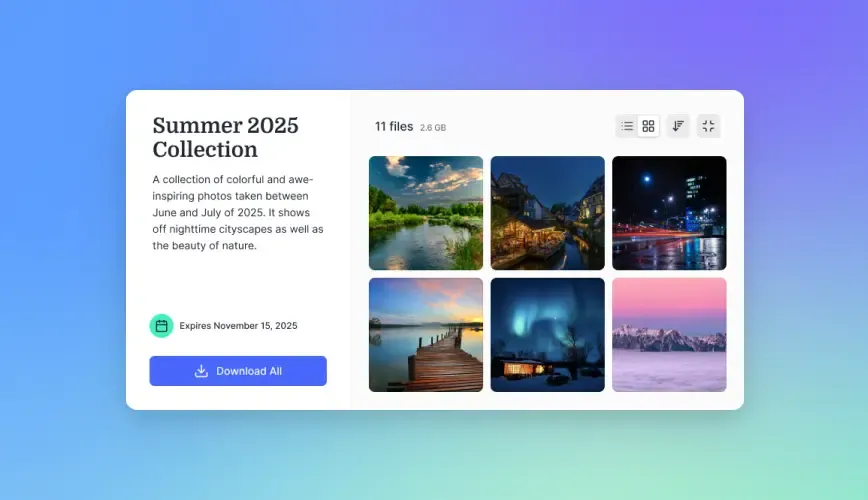
Not every "white label" offering delivers the same level of customization. Here's what separates good platforms from basic logo swaps:
Branding Depth
Logo replacement: Every platform offers this. It's the minimum. 2.
Color customization: Match your brand colors throughout the interface. 3.
Custom domain: files.yourcompany.com, not platform.com/yourcompany. 4.
Email customization: Notifications should come from your domain. 5.
Mobile app branding: If the platform has apps, can you rebrand them?
Client Experience
- No third-party mentions: The platform's name shouldn't appear anywhere clients see.
- Guest access without accounts: Clients shouldn't need to sign up for another service.
- Intuitive interface: Branding means nothing if clients can't figure out how to use it.
Security and Control
- Granular permissions: Control who sees what at folder and file levels.
- Activity logging: Track who accessed which files and when.
- Link controls: Password protection, expiration dates, view-only options.
- SSO integration: Connect to your existing identity provider.
Scalability
- Multi-tenant support: Serve multiple clients from one account.
- Usage-based pricing: Pay for storage used, not per client portal.
- API access: Integrate file sharing into your existing workflows.


Start with white label file sharing on Fast.io
Create white label portals your clients will trust. Usage-based pricing, unlimited guests, no per-seat fees.
How to Brand Your File Sharing
Setting up white label branding takes between 30 minutes and a few hours, depending on how deep you go. Here's the process:
Step 1: Gather Brand Assets
Before you start configuration, collect:
- Logo files (PNG with transparent background, at least 200px wide)
- Brand colors (hex codes for primary, secondary, and accent)
- Favicon (ICO or PNG, 32x32px minimum)
- Custom domain (if using one)
Step 2: Configure Visual Branding
Most platforms have a settings section for branding. Upload your logo, enter your colors, and preview the results. Pay attention to:
- How your logo looks on both light and dark backgrounds
- Whether your colors work with the platform's button and text styles
- Mobile appearance (logos often need separate mobile versions)
Step 3: Set Up Custom Domain (Optional but Recommended)
Custom domains require DNS configuration. The typical process:
- Add a CNAME record pointing your subdomain to the platform
- Verify ownership in the platform settings
- Configure SSL certificate (usually automatic)
- Test the domain works correctly
This step takes the longest due to DNS propagation, which can take up to 48 hours.
Step 4: Configure Email Branding
If the platform sends notifications, configure:
- From address (using your domain)
- Reply-to address
- Email templates (if customizable)
- SPF/DKIM records for email deliverability
Step 5: Test with a Real Client
Before rolling out broadly, test the full experience:
- Create a test workspace
- Invite a colleague as an external user
- Have them upload and download files
- Check all emails look correct
- Verify the experience on mobile
Comparing White Label File Sharing Platforms
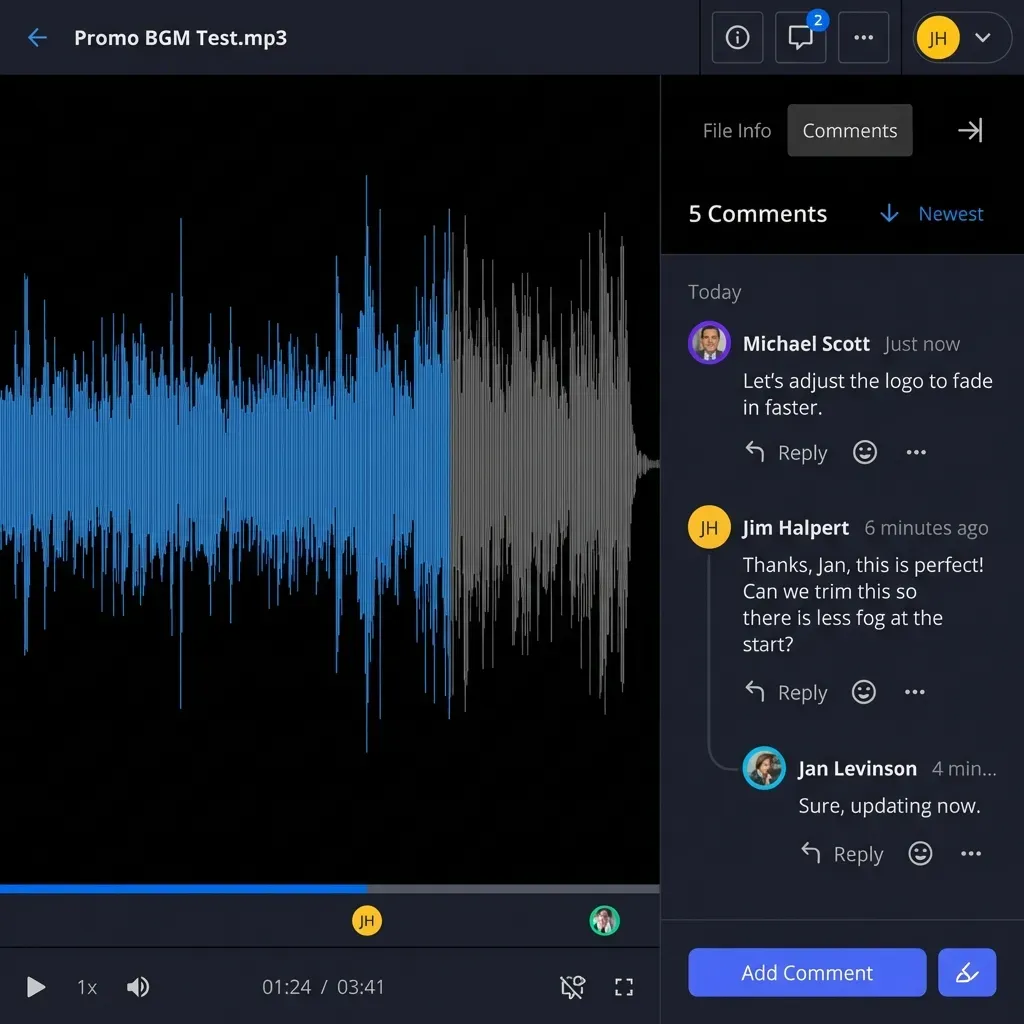
The white label market splits into three tiers based on target customer and pricing:
Enterprise Platforms ($15-30/user/month)
FileCloud and Egnyte target large organizations. They offer complete white labeling including mobile apps, deep security integrations, and on-premise deployment options. The trade-off is complexity and cost. Most charge per user, which gets expensive when you're serving many external clients.
Best for: Large enterprises with IT teams and compliance requirements.
MSP-Focused Platforms ($5-15/user/month)
CentreStack and RushFiles are built for managed service providers reselling to clients. They include multi-tenant management, partner billing features, and white-labeled mobile apps. The model assumes you're serving multiple businesses, not just one.
Best for: MSPs and IT service providers building a client portfolio.
Agency and SMB Solutions (Usage-based or fixed monthly)
Fast.io and Clinked offer white label portals without the MSP complexity. Instead of charging per user, usage-based models charge for storage, making them more economical for agencies with many clients but modest storage needs.
Best for: Agencies, studios, and professional services firms with client-facing workflows. The right choice depends on your business model. If you're reselling file sharing as a service, MSP platforms make sense. If you're using file sharing to deliver your actual services, simpler solutions save money and setup time.
White Label vs. Building Your Own
Some businesses consider building custom file sharing instead of using white label. Here's the realistic comparison:
Building Custom
Pros:
- Complete control over every feature
- No ongoing platform fees
- Exactly what you need, nothing extra
Cons:
- Development costs: $50,000-200,000+ for basic functionality
- Maintenance: Security updates, bug fixes, infrastructure
- Time: 6-12 months minimum for production-ready system
- Storage costs: AWS/GCP bills add up quickly at scale
Using White Label
Pros:
- Operational in hours or days
- Security handled by experts
- Regular feature updates included
- Predictable monthly costs
Cons:
- Less customization flexibility
- Dependent on platform roadmap
- Monthly fees add up over time
For most businesses, the math favors white label. The development cost of building file sharing infrastructure exceeds years of platform fees. More importantly, the maintenance burden never ends. Security vulnerabilities, browser updates, and mobile platform changes require ongoing engineering attention. Build your own only if file sharing is your core product and you have engineering resources to maintain it indefinitely.
How Fast.io Handles White Label Branding
Fast.io provides branded portals as part of its workspace model. Instead of a separate white label product, branding applies to data rooms and external shared folders. What's included:
- Custom logo and colors: Applied to your branded portals
- Vanity URLs: Custom URLs for data rooms
- Unlimited guest access: External clients don't count against seat limits
- No third-party branding: Clients see your brand, not Fast.io
The pricing model differs from traditional white label. Instead of per-seat fees, Fast.io uses usage-based pricing. You pay for storage consumed, not for each client who accesses your portal. For agencies with 50+ client relationships, this model costs 70% less than per-user alternatives. Other relevant features:
- HLS video streaming: Clients preview large video files without downloading
- Activity tracking: See who viewed files, when, and for how long
- Granular permissions: View-only, download, comment, and upload options per folder
- SSO integration: Connect to Okta, Azure AD, or Google for authentication
Frequently Asked Questions
What is white label file sharing?
White label file sharing allows businesses to use a file sharing platform under their own brand, with custom logos, colors, and domains. Clients interact with what appears to be your custom solution, while the platform provider handles the infrastructure. This creates a professional client experience without building technology from scratch.
How do I brand my file sharing?
Most platforms offer a branding settings section where you upload your logo, set brand colors, and optionally configure a custom domain. The process typically takes 30 minutes to a few hours. Custom domains require DNS configuration and can take up to 48 hours for DNS propagation.
What is the best white label file transfer solution?
The best solution depends on your needs. For MSPs reselling to clients, CentreStack or RushFiles offer multi-tenant management. For agencies and professional services, Fast.io or Clinked provide simpler setup with usage-based or fixed pricing. For enterprises with compliance requirements, FileCloud or Egnyte offer the deepest customization.
How much does white label file sharing cost?
Costs range from $5-30 per user per month for traditional platforms. Usage-based alternatives charge for storage instead of per user. For businesses with many external clients, usage-based models typically cost less because clients don't count against user limits.
Can I white label mobile apps?
Some platforms support white-labeled mobile apps, but it's typically limited to enterprise and MSP tiers. CentreStack offers white-labeled iOS and Android apps for partners. Most agency-focused platforms don't include mobile app branding, though their web interfaces work on mobile browsers.
Related Resources

Start with white label file sharing on Fast.io
Create white label portals your clients will trust. Usage-based pricing, unlimited guests, no per-seat fees.