How to Secure Event Bridges for Fastio with Signature Verification
Securing event integrations and webhook bridges ensures incoming payloads are authentic and protects endpoints from malicious requests. Fastio uses scoped API keys and audit logs to secure workspaces, while external webhook bridges use HMAC-SHA256 signatures and timestamps to block replays. This guide covers verification code, replay protection, and best practices for agentic workflows.

Why Implement Event Bridge Security for Fastio?
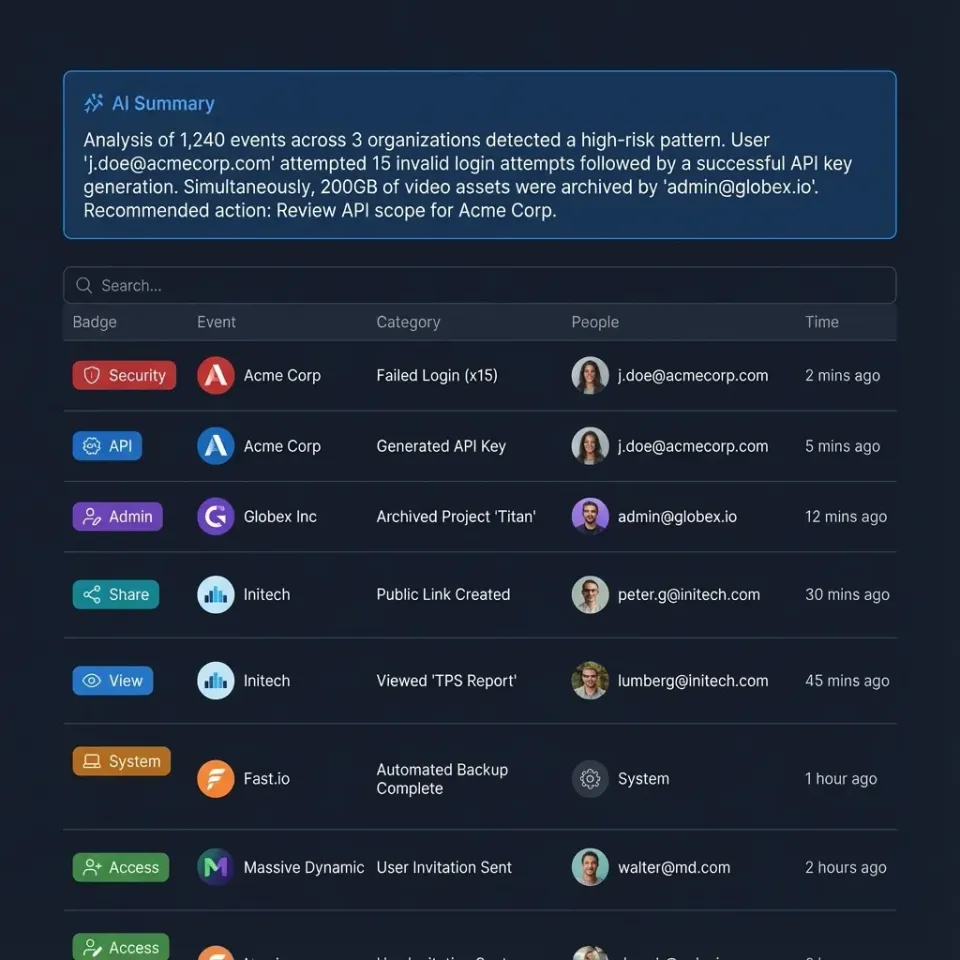
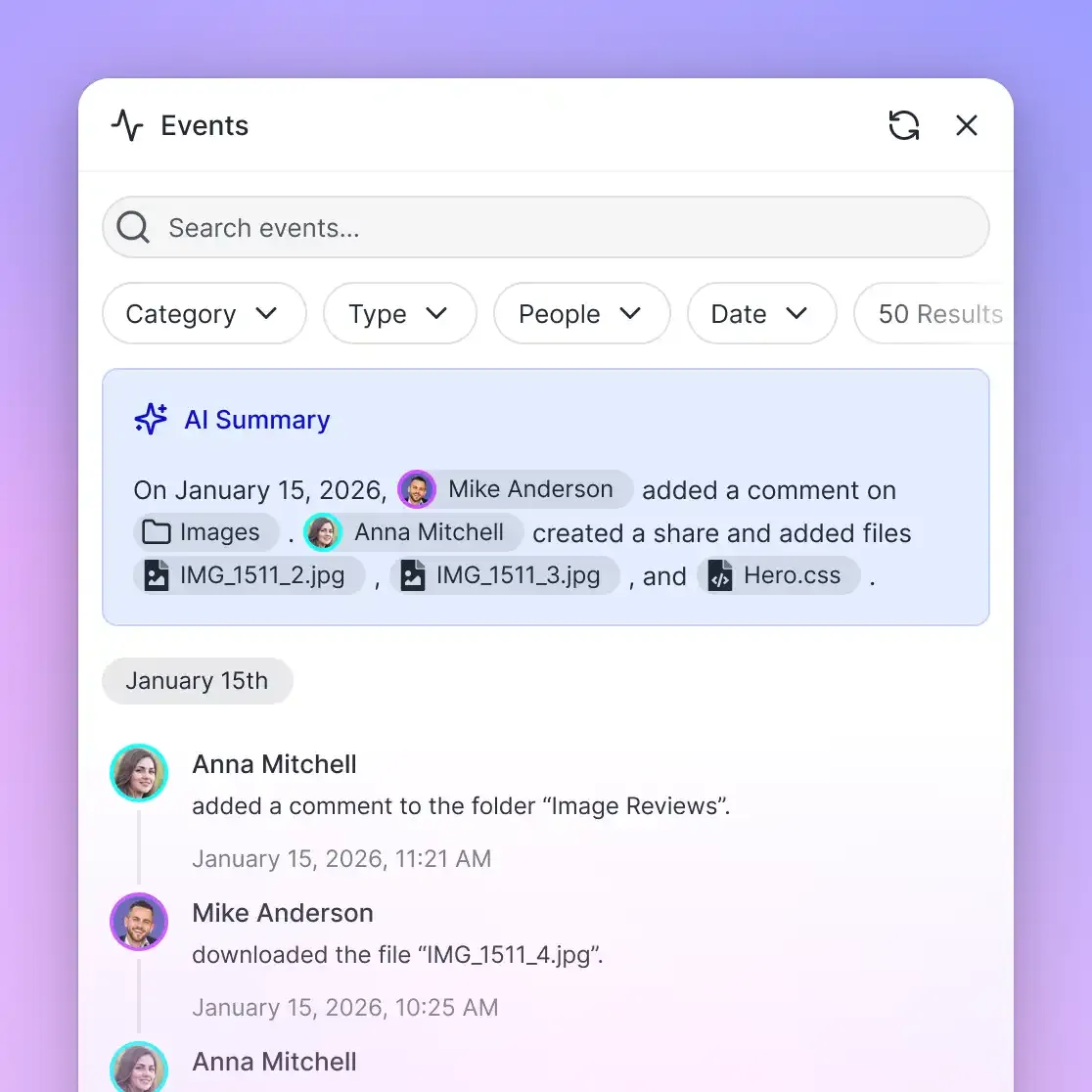
Real-time event integrations deliver immediate notifications for file uploads, modifications, and access across Fastio workspaces. While Fastio provides real-time streaming via WebSocket feeds and activity polling, teams often bridge these streams into external webhooks for downstream services.
Without security verification at the webhook receiver, endpoints remain vulnerable to spoofing, unauthorized triggers, and malicious payloads. Validating signatures and verifying that events originated from your trusted bridge ensures only verified file notifications execute expensive downstream AI tasks.

Related guides
- How to Secure AI Agents: A Practical Security GuideAI agents operate autonomously, access sensitive files, and call external APIs, which makes them attractive attack...
- Best AI Agent Security Tools in 2026Autonomous AI agents introduce new attack vectors like prompt injection, unauthorized actions, and data exfiltration....
- How to Implement Fastio OAuth2 FlowFastio OAuth2 flow allows secure, token-based authorization for third-party applications and AI agents. This guide...
- Best AI Agent Sandboxes for Secure Code Execution in 2026AI agents need a safe place to run code. Sandboxes provide isolated compute environments where agents can execute...
- Agentic AI Security Risks: Threats, Vulnerabilities, and MitigationsAI agents that can plan actions, call tools, and access files introduce security risks that go well beyond prompt...
- How to Manage AI Agent Identity: Auth & Security GuideAI agent identity management is the practice of assigning, verifying, and governing unique identities for autonomous AI...
More on this subject: Agent Security and Governance (65 guides)
Set Up Your Webhook Signing Secret
Fastio secures its developer API and workspace event streams using scoped API keys generated in the Fastio developer console.
When bridging Fastio activity events to external webhook receivers, generate a strong, random shared secret (such as a 32-byte hex string) to sign payloads sent by your bridge daemon. Store this secret securely in environment variables on both the bridge worker and the receiving webhook server. Never commit signing secrets to public source repositories.
Verify Webhook Signatures in Code
When your bridge forwards a Fastio event to an external webhook endpoint, sign the payload using HMAC-SHA256 and attach the signature in an HTTP header like X-Webhook-Signature.
Node.js Express Receiver:
const crypto = require('crypto');
const express = require('express');
const app = express();

app.post('/webhook', express.raw({ type: 'application/json' }), (req, res) => {
  const signature = req.headers['x-webhook-signature'];
  const timestamp = req.headers['x-timestamp'];
  const secret = process.env.WEBHOOK_SIGNING_SECRET;

const hmac = crypto.createHmac('sha256', secret);
  hmac.update(`${timestamp}.${req.body}`);
  const digest = `sha256=${hmac.digest('hex')}`;

if (!crypto.timingSafeEqual(Buffer.from(signature), Buffer.from(digest))) {
    return res.status(401).send('Invalid signature');
  }

const payload = JSON.parse(req.body);
  res.status(200).send('Verified');
});
Using constant-time comparison prevents timing attacks.


Build Secure Agentic File Workflows
Secure your agent file pipelines today. Fastio provides persistent workspaces, granular permissions, and remote MCP tools.
Prevent Replay Attacks with Timestamp Checks
Replay attacks occur when an attacker intercepts a valid payload and re-transmits it to trigger duplicate actions.
Have your event bridge include an X-Timestamp header containing Unix epoch milliseconds. The receiver checks the timestamp and rejects any event older than 300,000 milliseconds (5 minutes):
const now = Date.now();
if (Math.abs(now - parseInt(timestamp, 10)) > 300000) {
  return res.status(401).send('Timestamp expired');
}
This simple check ensures stale or replayed packets are discarded immediately.
Add Idempotency for Duplicate Handling
Network blips can trigger retries from upstream event queues or bridge workers. Each forwarded event payload includes a unique event_id.
Store processed event IDs in an atomic cache like Redis with an expiration window to ensure duplicate deliveries are discarded safely:
if (await redis.get(`event:${payload.event_id}`)) {
  return res.status(200).send('Already processed');
}
await redis.setex(`event:${payload.event_id}`, 86400, 'processed');
This guarantees that downstream agent runs execute exactly once per mutation.
Production Best Practices and Troubleshooting
Follow these production security guidelines when running real-time event bridges:
- Enforce HTTPS exclusively across all listener and receiver endpoints.
- Decouple webhook handling from agent reasoning using asynchronous job queues like BullMQ or Celery.
- Grant bridge services minimum necessary read scopes in the Fastio developer console.
- Cross-reference suspicious event sequences against Fastio's workspace activity log.
Frequently Asked Questions
How do I secure Fastio event streams?
Fastio secures all API and WebSocket event streams using scoped API keys and TLS encryption. You can generate and revoke keys in the developer console.
What algorithm is recommended for webhook bridge signatures?
Use HMAC-SHA256 computed over the combination of the event timestamp and raw request body, verified with constant-time comparison.
How to prevent webhook replay attacks?
Include a timestamp in the request header, reject requests older than five minutes, and record unique event IDs in a cache like Redis with a TTL.
Where do I manage API credentials in Fastio?
Manage your scoped API keys in your Fastio workspace developer console. Create dedicated keys for each service with appropriate read permissions.
What if signature verification fails on a webhook endpoint?
Log the received headers and raw body for auditing, verify that the shared signing secret matches on both sides, and return an HTTP 401 Unauthorized status.
Related Resources

Build Secure Agentic File Workflows
Secure your agent file pipelines today. Fastio provides persistent workspaces, granular permissions, and remote MCP tools.