How to Implement Secure Data Versioning for AI Agents
Secure AI agent data versioning tracks changes to files and data generated by agents, using access controls and audit trails. Agents produce reports, models, datasets, and other outputs. These need a protected change history to stay reliable and compliant. Without it, overwrites wipe out progress. Unauthorized access can trigger breaches costing $4.4 million on average. And debugging agent problems gets hard.


What Is Secure AI Agent Data Versioning?
Secure AI agent data versioning maintains a protected history of changes to files and data created by agents, supported by role-based access controls.
When agents output processed datasets, generated code, analysis reports, or model checkpoints, versioning records the exact details of every update. It logs who made the change and when it happened, while security settings block unauthorized edits.
Agents run autonomously and often work at the same time. A single bad overwrite can wipe out hours of processing. Fastio tracks versions, views, comments, and permission changes on a per-file basis to prevent this data loss.
Helpful references: Fastio Workspaces, Fastio Collaboration, and Fastio AI.
Related guides
- How to Implement AI Agent Data GovernanceAI agent data governance controls how autonomous agents access, create, and store data. Without it, organizations risk...
- Dynamic Secrets for AI Agents: How to Implement Runtime Injection and RotationStatic credentials are a major liability for automated systems, especially for agents with broad permissions. This...
- Best AI Agent Sandboxes for Secure Code Execution in 2026AI agents need a safe place to run code. Sandboxes provide isolated compute environments where agents can execute...
- How to Implement an AI Agent Audit Trail for ComplianceAn AI agent audit trail provides the accountability required by modern regulations. Learn how to track autonomous...
- How to Secure AI Agents: A Practical Security GuideAI agents operate autonomously, access sensitive files, and call external APIs, which makes them attractive attack...
- Best Code Execution Sandboxes for AI Agents in 2026Code execution sandboxes let AI agents run generated code in isolated environments without risking your host system....
More on this subject: Agent Security and Governance (65 guides)
Why AI Agents Require Secure Versioning
AI agents operate differently than human team members. They process data around the clock, collaborate across different LLMs, and handle ownership transfers. When versioning is weak, you risk losing valuable work and face serious compliance and security issues.
Key risks include:
- Accidental overwrites in multi-agent systems
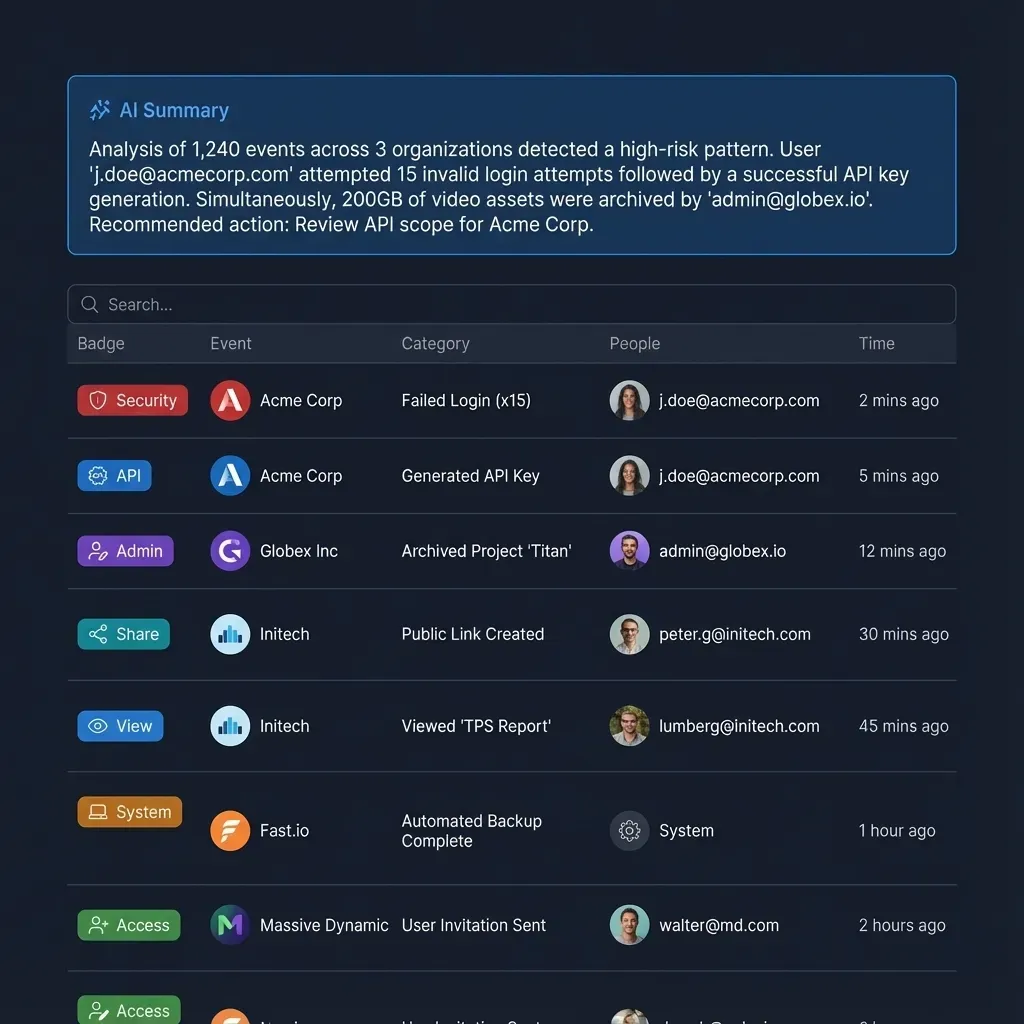
- No audit trail for debugging agent failures
- Unauthorized access exposing sensitive data
- Inability to rollback after bad generations
According to the IBM Cost of a Data Breach Report 2025, the worldwide average cost is $4.4 million. This figure is down 9% from last year because of faster containment efforts. Versioning cuts down recovery time and prevents most data loss in agent workflows by keeping a complete history of changes.
The report also found that 97% of organizations experiencing AI incidents had poor access controls, showing why you need to version agent data from the start.
Agent-Specific Challenges
Agents lack human intuition, meaning they will continuously retry failed tasks, branch into new experiments, and merge outputs automatically. Without versioning, you have to manually rebuild good file states from scratch when something goes wrong.
Fastio uses advisory file locks to signal active edits and automatic per-file version history with restore to prevent data loss, ensuring any unexpected overwrite can be recovered immediately.


Secure Agent Data Now
Fastio gives your team granular permissions, complete audit logs, advisory file locks, and version history to coordinate AI agents safely.
Fastio Features for Secure Agent Versioning
Fastio workspaces treat agents as standard team members. You can turn on Intelligence Mode for automatic indexing, then apply specific security layers.
Core features include:
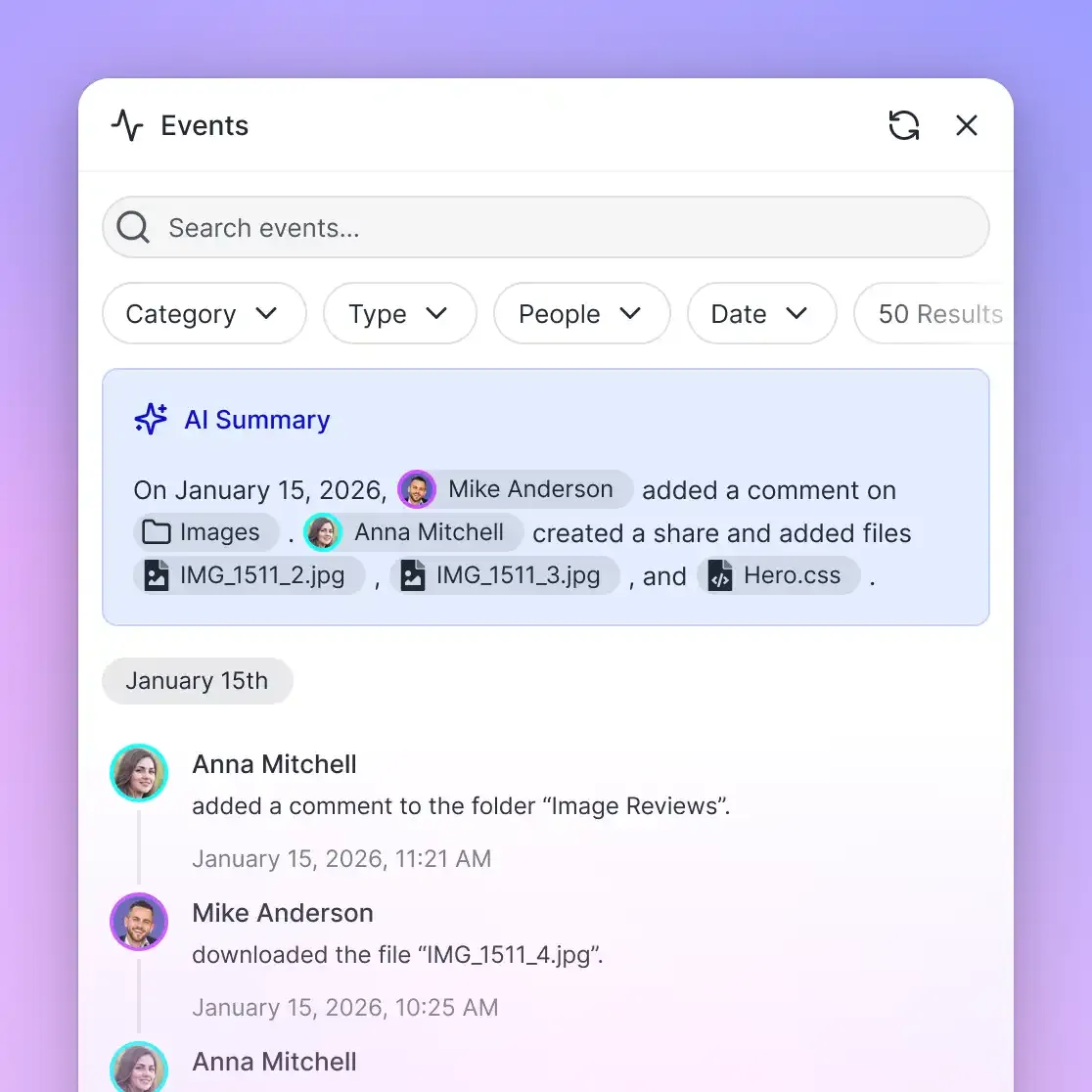
- Per-File Versioning: Automatically tracks changes, views, and comments.
- Advisory File Locks: Coordinate multi-agent writes via MCP or REST; other agents receive an HTTP 409 status until released.
- Granular Permissions: Controls access at the organization, workspace, folder, and file levels.
- Audit Logs: Keeps a complete history of uploads, downloads, and permission updates.
- Encryption: Secures data at rest and in transit.
- Version History & Restore: Maintains full revision history with instant restore of earlier file states.
- API Keys & PKCE: Authenticates agents securely using human-granted, scoped API keys and PKCE login.
Agents connect to the system through the remote MCP server or the REST API, and can poll the realtime activity feed or WebSocket events feed for updates.
Fastio offers a 14-day Business Trial (credit card required; see pricing).
Step-by-Step Implementation Guide
You can set up secure versioning for your agents in minutes.
Create an Agent Workspace: Sign up for a Business Trial account, create a new workspace, and toggle on Intelligence Mode.
Configure Permissions: Assign granular roles at the organization, workspace, folder, or file level to protect shared files.
Integrate MCP or API: Connect your agents to the remote Fastio MCP server at
https://mcp.fast.io/mcp/toolsor use the REST API athttps://api.fast.io/current/.Enable Audit Logs: Logging is active by default, and you can query the history directly through the API.
Test the Workflow: Upload a sample file, let an agent modify it, and verify the changes in the version history.
Connect any MCP client to https://mcp.fast.io/mcp/tools to access Fastio's consolidated MCP toolset:
{
  "mcpServers": {
    "fast-io": {
      "url": "https://mcp.fast.io/mcp/tools"
    }
  }
}
Using ownership transfer, an agent can build a project and hand it off to a human user while keeping administrative access.
Versioning Security Checklist
Follow this checklist before deploying production agent systems:
- Granular RBAC enforced
- Folder and file permissions configured
- Audit logs queried regularly
- Encryption enabled
- MFA required for human collaborators
- Activity polling or WebSocket feeds monitored
- Backup process set up via ownership transfer
- Rollback procedures tested on sample data
Checking these items helps close the security gaps caused by weak access controls in AI workflows.
Best Practices and Pitfalls
Do:
- Limit agent permissions to the strict minimum required for the task.
- Use advisory file locks and per-file version history when handling concurrent operations.
- Review audit logs on a weekly basis.
- Transfer ownership to a human after the agent completes its work.
Avoid:
- Giving agents broad write access across workspaces.
- Running multi-agent setups without verifying version history and permissions.
- Ignoring activity logs for unexpected access attempts.
You can scale your setup using URL imports from Drive or Box instead of relying on local I/O.
Keep these guidelines in a team runbook so everyone follows the same process. This maintains consistency and makes troubleshooting much easier when issues pop up.
Try this approach on a small pilot project first. Once the results are stable, you can standardize the setup across all your environments.
Document your specific security decisions, ownership handoff procedures, and rollback steps to ensure the implementation is repeatable as your agent workflows grow.
Sources
References used to verify factual claims in this guide.
-
Global average cost of a data breach $4.4 million 9% decrease in data breach costs over previous year driven by faster identification and containment 97% of organizations reported AI-related security incident lacked proper AI access controls
-
Fastio AI Business Trial: 14-day trial with generous storage and credits; see /pricing/
Frequently Asked Questions
How to version agent data securely?
You can secure agent data using workspaces that offer per-file versioning, advisory file locks, granular permissions, and audit logs. Integrate your agents via the remote MCP server or REST API to coordinate edits. Fastio supports these features natively.
What are agent versioning best practices?
We recommend enforcing granular permissions, maintaining full activity logging, monitoring the activity feed, and testing rollback procedures. Fastio offers a 14-day Business Trial (credit card required; see /pricing/) to evaluate your setup.
Does Fastio support AI agent file versioning?
Yes, Fastio tracks per-file versions and monitors activity. Agents join workspaces as members and use the same versioning tools that human users do.
How does Fastio handle concurrent agent edits?
Agents can acquire advisory file locks before writing; concurrent attempts return an HTTP 409 so others can wait. Fastio also maintains automatic per-file version history with instant restore, ensuring every edit lands safely.
Is agent data encrypted?
Yes, data is encrypted both at rest and in transit. You also manage security through granular access controls.
Related Resources

Secure Agent Data Now
Fastio gives your team granular permissions, complete audit logs, advisory file locks, and version history to coordinate AI agents safely.