How to Implement Rate Limiting Strategies for AI Agents
Rate limiting controls how often your AI agents make API requests. This prevents system overload and keeps costs down. Unlike web traffic, autonomous agents can accidentally spike usage, causing expensive bills or IP bans.

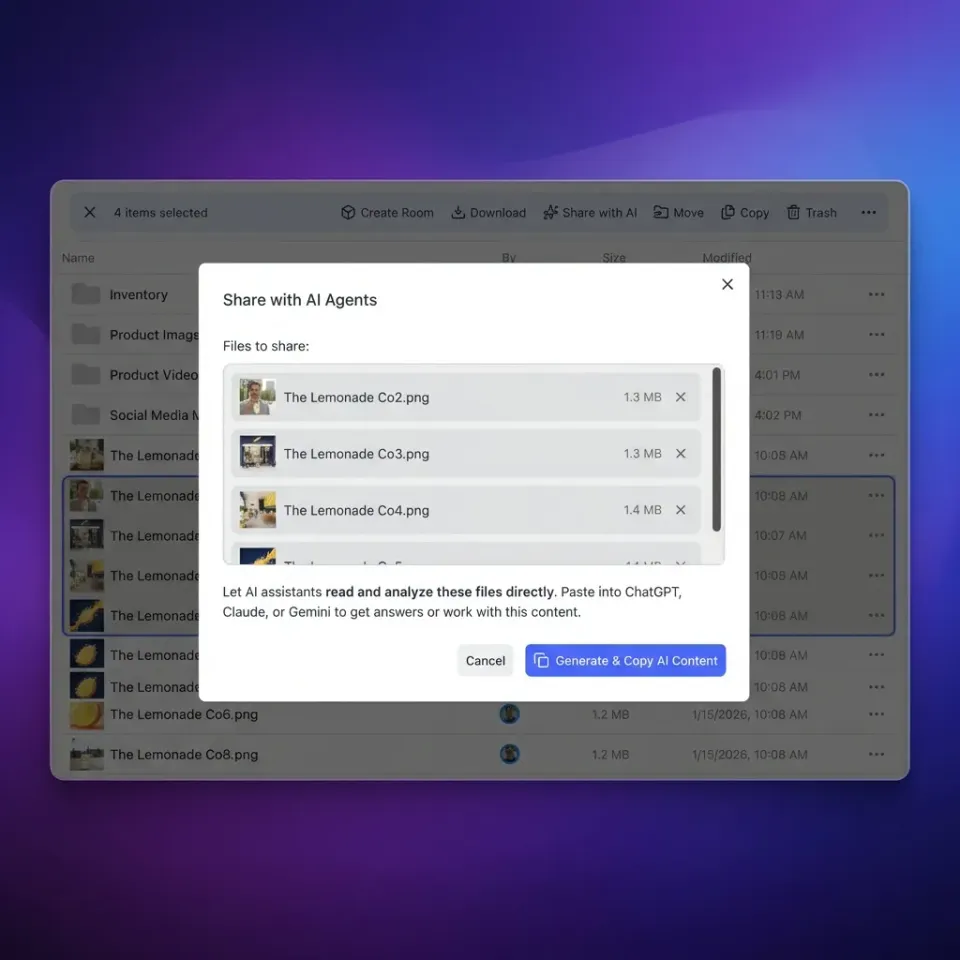
What Is AI Agent Rate Limiting?
Rate limiting controls the traffic flow to or from a network. For AI agents, it restricts the number of API calls, tokens generated, or actions performed in a set time. Humans naturally pause between actions. AI agents don't. They can execute thousands of requests per second. Without limits, a bug can drain a monthly API budget in minutes or trigger a "Too Many Requests" (HTTP 429) error from providers like OpenAI. Rate limiting sets a speed limit, keeping the agent within safe boundaries. Good strategies handle three things:
- Provider Limits: Respecting quotas set by API vendors (like typical RPM quotas for free tiers).
- Cost Limits: Capping token usage to prevent high bills.
- System Stability: Protecting databases or file storage from being overwhelmed by too many agent threads.
Helpful references: Fastio Workspaces, Fastio Collaboration, and Fastio AI.
Related guides
- AI Agent Rate Limiting Strategies: Complete Guide for 2026AI agents require different rate limiting approaches than traditional APIs because they chain multiple calls per task.
- GitHub API Rate Limit Guide: Best Practices for AI AgentsGitHub API rate limits restrict the number of requests an application or user can make within a specific timeframe to...
- OpenAI o3-mini Rate Limits: RPM, TPM Quotas, and Token Mitigation StrategiesOpenAI o3-mini rate limits enforce throughput constraints measured in requests per minute and tokens per minute across...
- How to Implement Audit Logging for AI AgentsAudit logging for AI agents is the practice of recording every action an agent takes, including tool calls, file...
- Dynamic Secrets for AI Agents: How to Implement Runtime Injection and RotationStatic credentials are a major liability for automated systems, especially for agents with broad permissions. This...
- How to Implement AI Agent Cybersecurity MonitoringAI agent cybersecurity monitoring spots threats as they happen using automatic analysis. Teams set up specialized...
More on this subject: Agent Security and Governance (65 guides)
Why Unmanaged Agents Fail
Ignoring rate limits causes real problems, not just error logs. Autonomous systems are prone to cascading failures. If an agent hits a rate limit and doesn't handle it right, it often retries immediately. This "retry storm" makes the problem worse, often causing the provider to ban the IP address. Cost is another big risk. An unthrottled agent stuck in a loop, perhaps trying to summarize a document that triggers another summary, can consume vast numbers of tokens before anyone notices. Industry data suggests many AI prototype failures come from unhandled API exhaustion or unexpected costs. You need a solid strategy to keep your agents running.
Core Rate Limiting Algorithms
Developers use standard algorithms to manage request flow. The right choice depends on whether you need to smooth out traffic or set hard caps.
Token Bucket Algorithm This is a common pattern for allowing bursts. Imagine a bucket that fills with tokens at a constant rate. Every API call takes a token. If the bucket is empty, the agent waits. * Pros: Allows short bursts of high activity (good for agents reacting to input) while enforcing a long-term average. * Cons: Can still overwhelm a sensitive backend during a burst.
Sliding Window Log This method tracks the timestamp of every request. When a new request comes in, the system counts how many requests happened in the last X seconds. * Pros: accurate. It guarantees you never exceed the limit in any rolling window. * Cons: Uses more memory, as it stores timestamps for every request.
Fixed Window Counter The simplest approach. Usage resets at specific times (like the start of the minute). * Pros: Easy to implement (often with a simple Redis counter). * Cons: Subject to the "thundering herd" problem at the top of the hour, where all agents rush in at once.
Agent-Specific Strategies
Standard algorithms often fail with modern agents. You need logic that understands the work itself, not just the volume.
Cost-Based Throttling Instead of limiting requests per minute, limit dollars per hour. An agent generating simple text is cheap; one generating high-res images or analyzing GB-scale video files is expensive. A cost-aware limiter assigns a dollar value to every action and stops execution when the budget runs out.
Tool Budgeting Agents often use multiple tools (search, file system, code interpreter). You might want to allow unlimited file reads but limit web searches to a small number per hour. Per-tool quotas prevent an agent from wasting resources on low-value tasks.
Exponential Backoff You need this for handling HTTP 429 errors. When an agent gets rejected, it shouldn't retry immediately. It should use exponential backoff, doubling the wait time each attempt. Adding "jitter" (randomness) to this wait time prevents multiple agents from retrying at the exact same moment.


Give Your AI Agents Persistent Storage
Track your agent usage and use Fastio workspaces for persistent file storage.
Monitoring and Observability
You can't fix what you can't see. A good agent setup needs a dashboard to track rate limit hits.
Key Metrics to Watch:
- 429 Error Rate: A spike here means your backoff strategy is failing or your limits are too tight.
- Token Consumption: Track input vs. output tokens. A sudden jump in output tokens might mean an agent is looping.
- Tool Usage Frequency: Which tools are causing bottlenecks?
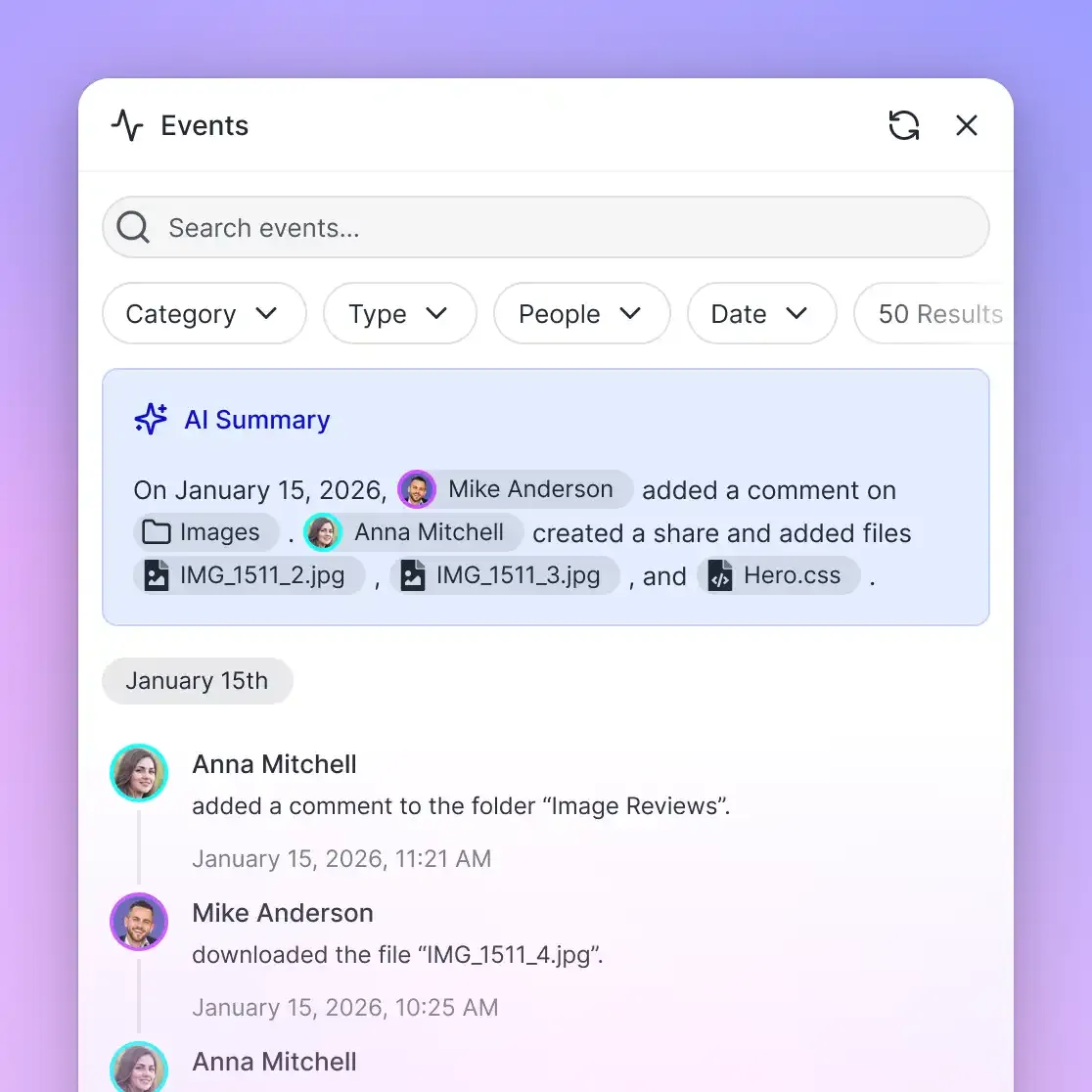
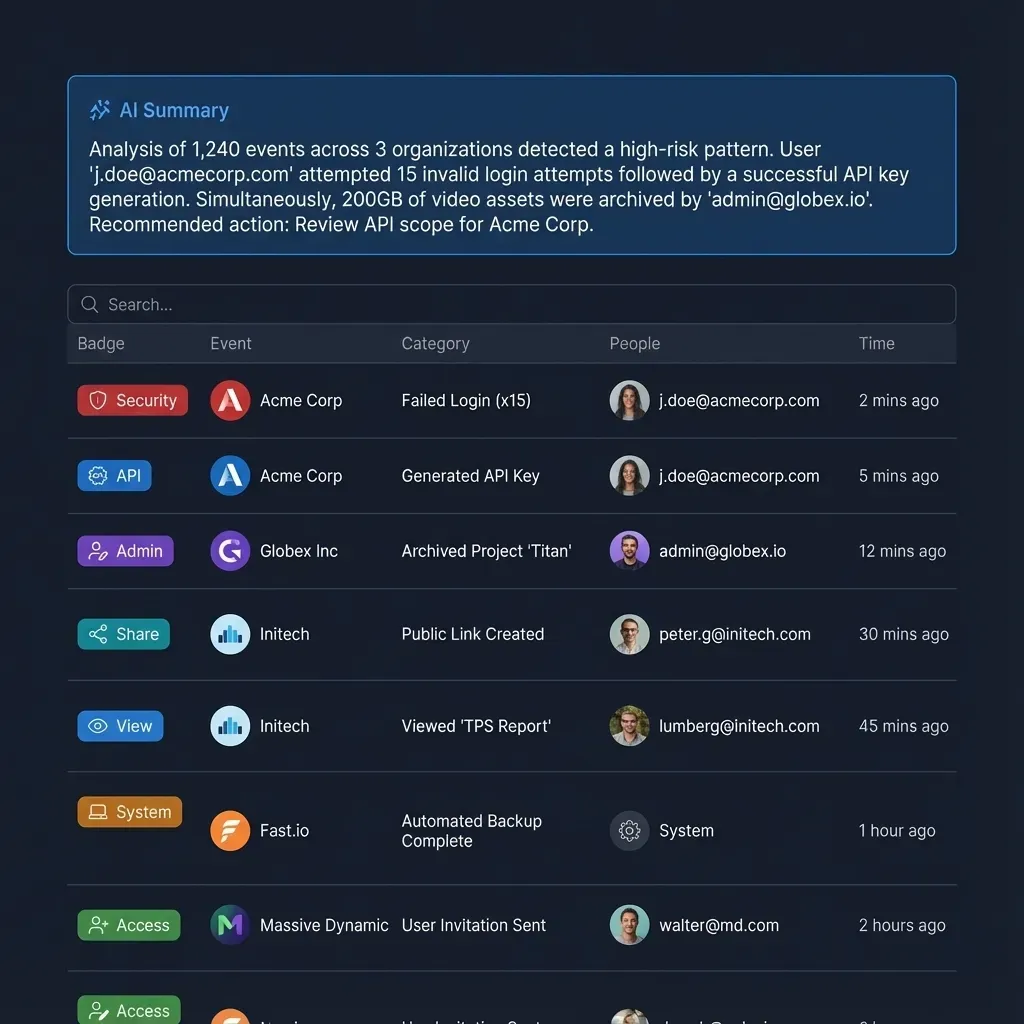
- Latency: Are your rate limiters slowing down agent responses? Tools like Fastio provide built-in audit logs that track every file access and API call. This gives you a clear view of your agent's footprint without building custom logging infrastructure.
How Fastio Manages Agent Limits
Building your own rate limiting infrastructure (Redis, leaky buckets, queues) is hard. Use application-level limits for your own agents and monitor Fastio plan usage on /pricing/.
Concurrency Management Fastio provides advisory file locks so an agent can lease a file before writing while other agents wait or read, backed by automatic version history on every write.
Activity Monitoring Instead of polling a folder every second, use Fastio's WebSocket events feed where it fits your client architecture, or poll the activity feed at a measured interval.
Sources
References used to verify factual claims in this guide.
-
handling HTTP 429 errors from providers like OpenAI Too Many Requests
- 2 Standard exponential backoff algorithm as described in AWS and Google Cloud documentation Accessed
wait 1 second then 2 then 4 then 8 exponential backoff
-
handle HTTP 429 errors in Python with tenacity library decorator catches errors sleeps retries seconds
-
429 error rate spike indicates backoff strategy failing or limits too tight
Frequently Asked Questions
What is the best rate limiting algorithm for LLMs?
The Token Bucket algorithm works well for LLMs. It allows agents to handle bursts of activity (like a complex query) while keeping long-term usage within provider limits.
How do I handle HTTP 429 errors in Python?
Use the `tenacity` library or write a custom decorator that catches 429 errors and sleeps for exponentially increasing seconds. Always add a small random 'jitter' to prevent synchronized retries.
Can I set rate limits for specific tools?
Yes, this is called tool budgeting. In your agent's system prompt or code, define a counter for each tool (e.g., 'Search: used/max'). Check this counter before running the tool.
Does Fastio charge for API requests?
Fastio offers a 14-day Business Trial that requires a credit card. See /pricing/ for current plan and usage details.
Related Resources

Give Your AI Agents Persistent Storage
Track your agent usage and use Fastio workspaces for persistent file storage.