How to Build AI Agent AIOps Systems
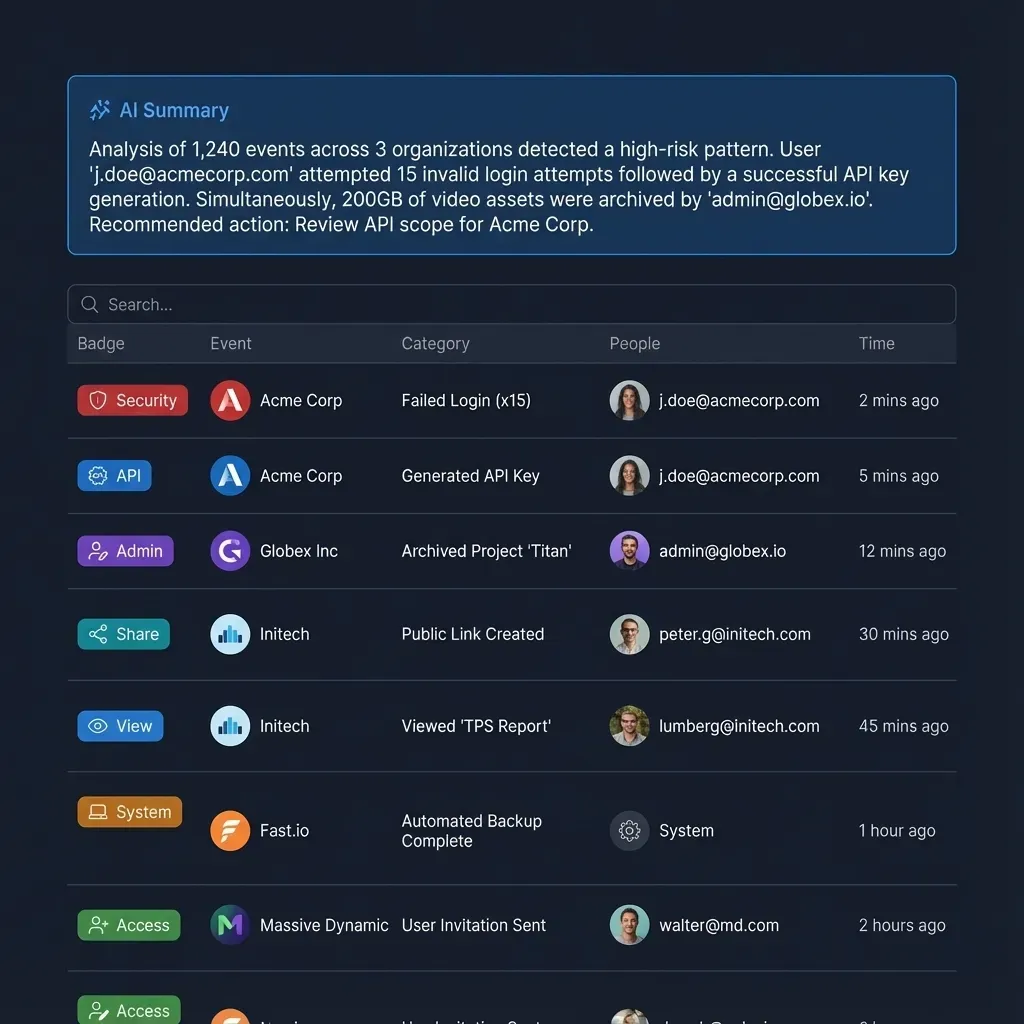
AI agent AIOps applies autonomous AI agents to IT operations, enabling end-to-end automation from monitoring to remediation. These agents ingest telemetry data, reason over events using LLMs, plan responses, and execute fixes independently or collaboratively. Traditional AIOps platforms reduce alert volumes by 75% through correlation rules and ML anomaly detection.


What Is AI Agent AIOps?
AI agent AIOps brings AI agents into IT work. Agents take in logs, link events, predict breakdowns, and run fixes. Basic AIOps uses machine learning to spot unusual patterns. Agent versions deploy specialists that reason, plan, and act, on their own or together. For example: A metrics agent watches performance. It flags issues and hands off to analysis. That agent pinpoints causes, then remediation runs scripts. They share status updates. IT teams get complete automation for routine work. Humans handle strategy.
Helpful references: Fastio Workspaces, Fastio Collaboration, and Fastio AI.
Key Differences from Traditional AIOps
Agents work well in dynamic environments where incidents combine unexpected failures. For instance, a network issue cascading to app downtime requires causal reasoning across domains, something rules struggle with. This agent-to-agent coverage is missing from most AIOps guides.
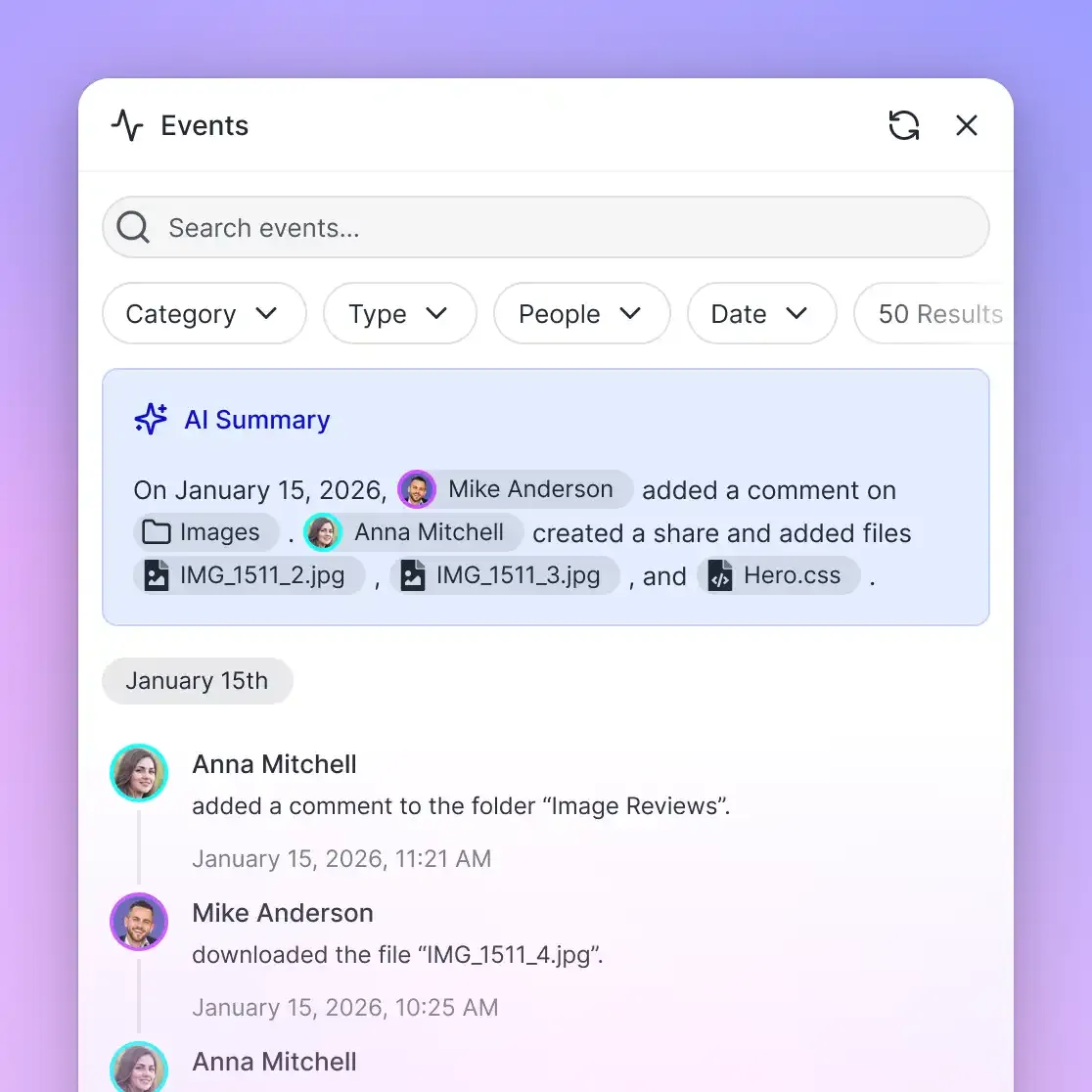
Related guides
- How to Build AI Agents for Batch ProcessingBatch processing lets AI agents handle repetitive work across thousands of files without you having to watch over them....
- AWS Strands Agents: Build AI Agents with Amazon's Agent FrameworkAWS Strands Agents is Amazon's open-source Python framework for building AI agents that use tools, maintain memory, and...
- How to Build a Closed Loop System for AI AgentsDeploying autonomous AI agents in an open loop manner often leads to compounding errors. Implementing a closed loop...
- How to Build an AI Agent for Ecommerce OperationsAI agents can automate 40-60% of routine ecommerce operations, from inventory forecasting to order routing and customer...
- How to Build Browser Automation AI Agents That Actually WorkBrowser automation AI agents navigate websites, fill forms, extract data, and complete multi-step web tasks without...
- How to Use AI Agents for Quality ControlAI agents handle quality control by automating inspections with computer vision and anomaly detection. They check...
More on this subject: AI Agents: General Guides (190 guides)
Why AI Agents Improve AIOps
Agent AIOps solves IT team headaches like alert fatigue. Agents prevent problems upfront. Studies show AIOps can halve mean time to recovery. Agents fix root causes before damage spreads. Multi-agent teams handle tangled dependencies. Agents check knowledge bases and follow coordination rules. Result: fewer outages, quicker recoveries. Fastio workspaces support agents here. MCP tools handle files. WebSocket feeds launch actions on changes.
Engineer Productivity:
- Filter noise at source with agent perception.
- Predict failures from subtle ML-detected patterns like unusual log bursts or metric drifts. Teams using agentic setups report handling complex dependencies, such as microservices outages spanning databases, caches, and load balancers.


Ready for Agentic AIOps?
Persistent storage, usage-based credits, and a consolidated MCP toolset. Built for agent aiops workflows.
Core Architecture for Agentic AIOps
Agentic AIOps uses a layered setup.
Data Ingestion Layer: Agents collect metrics, logs, traces from Prometheus or ELK.
Analysis Layer: ML detects anomalies. Agents interpret with LLMs.
Orchestration Layer: Coordinator assigns tasks. Agents collaborate via queues or shared storage.
Action Layer: Remediation scripts execute. Agents confirm success. Scale by adding agents for new areas like security or compliance auditing.
Layer Interactions Example:
- Ingestion agent pulls data every 30s.
- Analysis flags anomaly score >0.8.
- Orchestrator routes to domain expert agent.
- Action agent runs playbook, loops if failed.
Use shared Fastio workspaces for cross-layer state: upload raw data, analysis JSON, fix logs, all queryable via RAG.
Monitoring Agent
Scans infrastructure. Semantic search on logs. Alerts deviations.
Diagnostic Agent
Correlates events. Causal graphs. Root cause ID.
Remediation Agent
Runs fixes. Rollback if fails. Logs results.
Building Agentic AIOps: Step-by-Step
Implement a basic system in under an hour.
Step 1: Set Up Monitoring Deploy a LangChain agent to query Prometheus:
from langchain_openai import ChatOpenAI
from langchain.agents import create_tool_calling_agent llm = ChatOpenAI(model="gpt-4o")
tools = [prometheus_query_tool, storage_manage] # MCP integration
agent = create_tool_calling_agent(llm, tools, prompt)
Step 2: Add Diagnostics Second agent processes uploaded logs with RAG from Fastio Intelligence Mode.
Step 3: Remediation Third agent executes kubectl commands or Terraform applies.
Step 4: Coordination Use Fastio file locks and version history for state, activity feeds for signals. Start on Fastio, which offers a 14-day Business Trial with usage-based credits for testing this workflow. This step-by-step process supports quick prototyping to full production deployment.
Integration Code Example
# Connect to Fastio remote MCP endpoint
# https://mcp.fast.io/mcp/tools
Multi-Agent AIOps Workflows
Multi-agent teams excel when agents pass tasks to each other. Workflow example: Monitoring spots CPU spike, notifies diagnostic. Diagnostic checks code repo changes. Remediation restarts service. Advisory file locks manage state while version history protects edits. Realtime feeds signal events. RAG indexes ops knowledge once Intelligence is enabled. Fastio offers a 14-day Business Trial with usage-based credits for testing this workflow. Intelligence Mode provides RAG over incident histories. Advisory file locks coordinate concurrent updates.
Workflow Diagram (text): Monitoring → upload log → event stream → Diagnostic → propose fix → human review → Remediation → verify → status update. In production, scale with multiple instances per role, using Kubernetes for agent deployment.
Using Fastio in Agentic AIOps
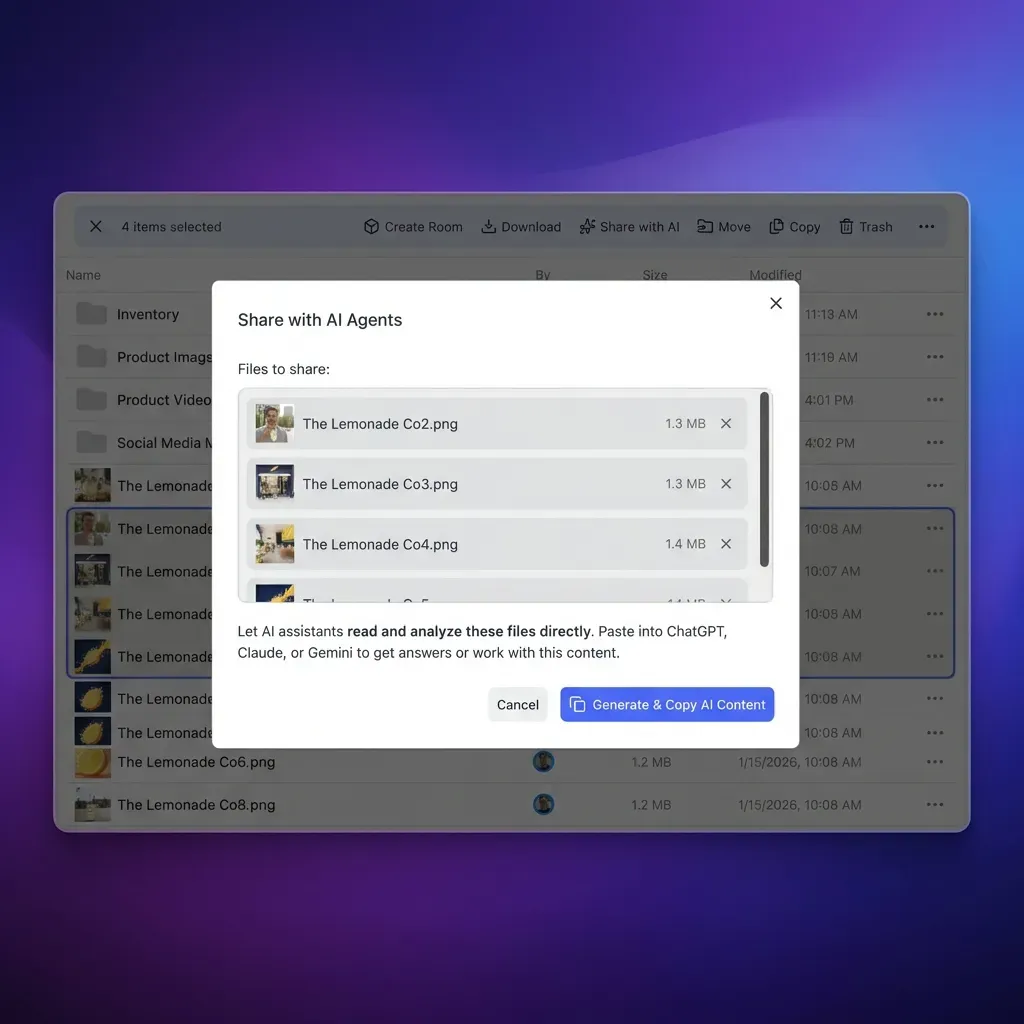
Fastio builds agent infrastructure. Fastio offers a 14-day Business Trial with usage-based credits (credit card required). Remote MCP server access provides a consolidated toolset matching UI capabilities. HTTP/SSE streaming connects any LLM. Once Intelligence is enabled, files are indexed for RAG and semantic workspace queries. Realtime activity feeds and WebSocket streams build reactive pipelines. Ownership transfer lets agents build and humans take ownership. These tools support persistent state management essential for production AIOps deployments.
MCP Client Example:
from mcp import ClientSession
async def aiops_agent():
    session = ClientSession(server_url="https://mcp.fast.io/mcp/tools")
    await session.initialize()
    logs = await session.read("incident-log.json")
    insights = llm.analyze(logs)
    await session.write("analysis.json", insights)
Define clear tool contracts and fallback behavior so agents fail safely when dependencies are unavailable. This improves reliability in production workflows.
Challenges and Solutions
Agents can add complexity, like hallucinations. Ground them in RAG data. Use file locks, version history, and activity feeds to prevent coordination slips. Monitor credits to manage costs during active workflows. Start with one alert agent and scale. Test in sandbox Fastio workspaces. Periodic reviews of agent logs help detect and address performance drifts early.
Troubleshooting Table:
Start with dry-run mode: agents propose but don't execute.
Sources
References used to verify factual claims in this guide.
-
AIOps platforms reduce alerts 70-85% AIOps cuts MTTR by 50%
Frequently Asked Questions
How to get started with AI agent AIOps?
1. Connect your agent to the Fastio remote MCP endpoint at `https://mcp.fast.io/mcp/tools`. 2. Build your first agent to monitor Prometheus metrics and upload anomalies to Fastio. 3. Chain with a diagnostic agent using built-in RAG once Intelligence is enabled. Fastio offers a 14-day Business Trial with usage-based credits for testing.
What frameworks build agentic AIOps?
LangGraph (stateful workflows), CrewAI (role-based teams), AutoGen (conversations), Semantic Kernel (.NET). All integrate Fastio MCP for persistent file state.
How do AIOps agents share knowledge?
Via shared workspaces with auto-RAG indexing. Upload JSON reports/logs; query semantically ('past CPU fixes'). Fastio handles indexing, citations.
Production readiness for agent AIOps?
Mature for SREs/DevOps. Fastio provides full activity logs.
Related Resources

Ready for Agentic AIOps?
Persistent storage, usage-based credits, and a consolidated MCP toolset. Built for agent aiops workflows.