How to Integrate AI Agents with Argo CD
AI agent Argo CD integration enables autonomous continuous deployment management through GitOps principles. Agents can monitor repositories, sync applications, and handle rollbacks without human intervention. This guide covers prerequisites, single-agent setup, multi-agent coordination patterns missing from competitors, and using Fastio workspaces for shared manifests and collaboration. Kubernetes users benefit as 84% of organizations use or evaluate it.


What is AI Agent Argo CD Integration?
AI agent Argo CD integration connects autonomous AI agents to Argo CD, a declarative GitOps tool for Kubernetes. Agents interact with Argo CD's API to list, create, sync, and manage applications directly from Git repositories.
This setup allows agents to respond to events like code changes or incidents. For example, an agent detects a failed sync and triggers a rollback. Teams gain faster, more reliable deployments.
Argo CD runs as a Kubernetes controller that watches Git repos for changes and applies them. Agents extend this by adding intelligence, such as predictive scaling or anomaly detection based on logs.
Key benefits include:
- Automated monitoring and healing
- Reduced manual GitOps operations
- Scalable for multi-cluster environments
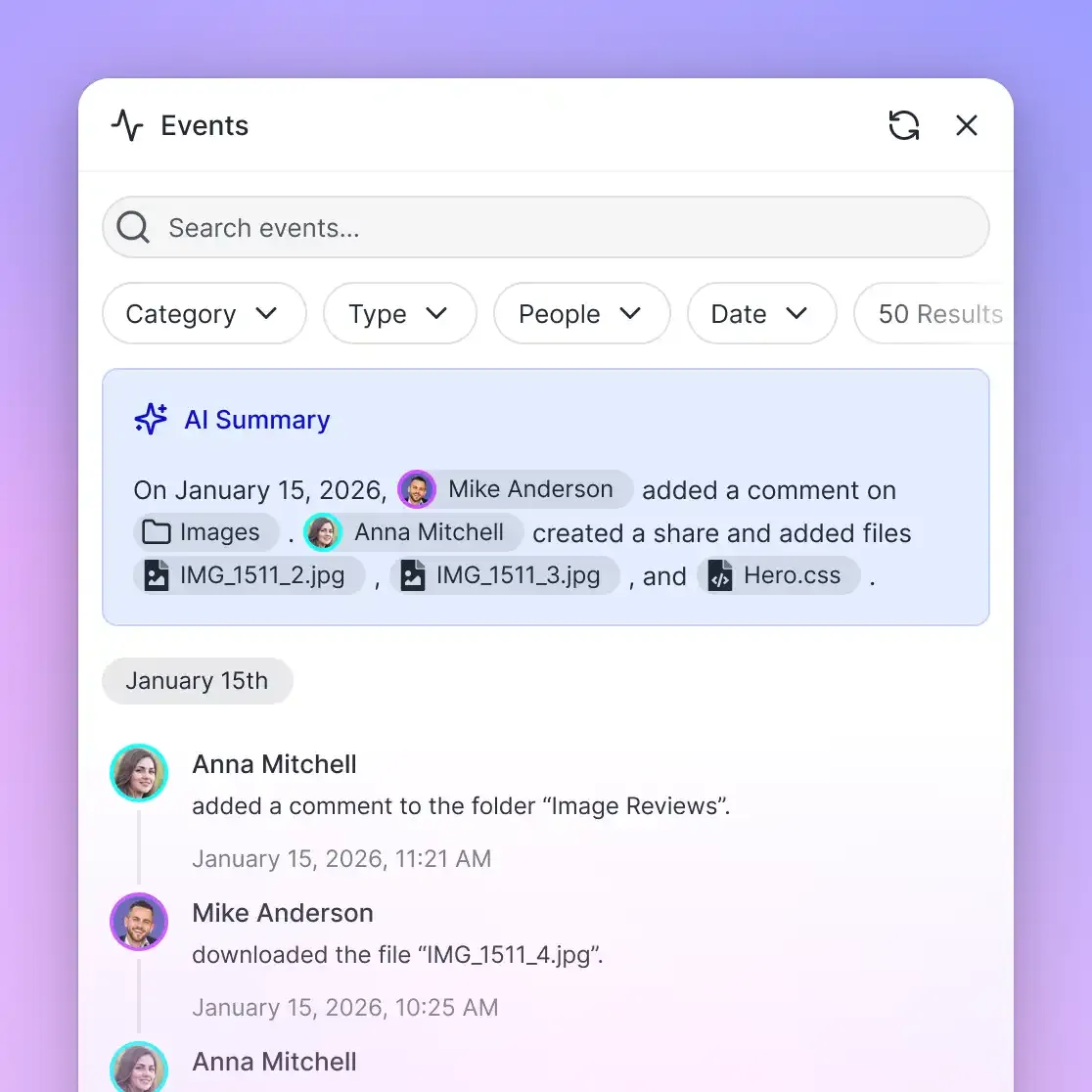
Helpful references: Fastio Workspaces, Fastio Collaboration, and Fastio AI.
Related guides
- How to Implement AI Agent GitOps: Declarative Agent DeploymentsAI Agent GitOps applies the principles of GitOps, version control, declarative definitions, and automated...
- How to Build AI Agent GitOps WorkflowsAI agent GitOps workflows use autonomous agents to manage declarative infrastructure from Git repositories. Traditional...
- How to Architect Terraform Infrastructure for AI AgentsAutonomous AI agents need infrastructure that's reproducible and scales. This guide explains how to use Terraform to...
- How to Build an AI Agent Service Mesh: A Guide for 2026As enterprises deploy more autonomous agents, managing their communication becomes critical. An AI agent service mesh...
- How to Automate AI Agent InfrastructureAI agent infrastructure automation helps you scale agent workflows from one bot to thousands. Most teams focus on...
- How to Master AI Agent Job Scheduling for Production WorkflowsAI agent job scheduling enables autonomous agents to execute tasks on predefined schedules while maintaining context...
More on this subject: Agent Infrastructure and Deployment (55 guides)
Prerequisites
Before integrating, set up these components.
Kubernetes Cluster: Version 1.21+. Install Argo CD via Helm or manifests.
Argo CD: Deploy the latest stable version. Enable API access with RBAC.
AI Agent Framework: Use LangChain, CrewAI, or OpenClaw for agent logic. LLMs like Claude or GPT-4o.
Fastio Workspace: Start a 14-day Business Trial. Create a workspace for manifests and enable Intelligence Mode for RAG.
API Access: Generate Argo CD API token. For Fastio, connect to the remote MCP server at https://mcp.fast.io/mcp/tools with a Fastio API key sent as a Bearer header, which exposes a consolidated MCP toolset.
Step-by-Step Single Agent Integration
Follow these steps to connect one agent to Argo CD.
1. Deploy Argo CD
kubectl create namespace argocd
kubectl apply -n argocd -f https://raw.githubusercontent.com/argoproj/argo-cd/stable/manifests/install.yaml
Get initial admin password: kubectl -n argocd get secret argocd-initial-admin-secret -o jsonpath=\"{.data.password}\" | base64 -d
2. Create Agent Environment
Set up Python agent with LangChain:
from langchain.agents import create_openai_tools_agent
from langchain.tools import tool
import requests

@tool
def sync_argo_app(app_name: str):
    """Sync Argo CD application."""
    token = "your-argocd-token"
    headers = {"Authorization": f"Bearer {token}"}
    url = f"https://argocd.example.com/api/v1/applications/{app_name}/sync"
    response = requests.post(url, headers=headers)
    return response.json()

### Initialize agent with tools
agent = create_openai_tools_agent(llm, tools=[sync_argo_app])
3. Store Manifests in Fastio
Upload GitOps YAML to workspace via MCP or API. Agents query indexed files with RAG.
4. Test Agent
Prompt: "Sync the production app." Agent calls tool, updates Argo CD.
Configure Event Feeds
Use Argo CD webhooks to notify agents. Fastio's WebSocket events feed and activity polling stream file changes for reactive workflows.
Multi-Agent Coordination Patterns
Competitors overlook multi-agent setups. Use hierarchies for complex ops.
Supervisor-Worker Pattern
Supervisor monitors Argo health, delegates to specialists:
- Monitor agent: Polls apps, detects drifts.
- Deploy agent: Syncs on approval.
- Rollback agent: Reverts on failure.
Implement with CrewAI:
from crewai import Agent, Task, Crew

monitor = Agent(role='Monitor', tools=[health_check])
deployer = Agent(role='Deployer', tools=[sync_app])

task1 = Task(description='Check app health', agent=monitor)
task2 = Task(description='Sync if healthy', agent=deployer)

crew = Crew(agents=[monitor, deployer], tasks=[task1, task2])
result = crew.kickoff()
Fastio Coordination
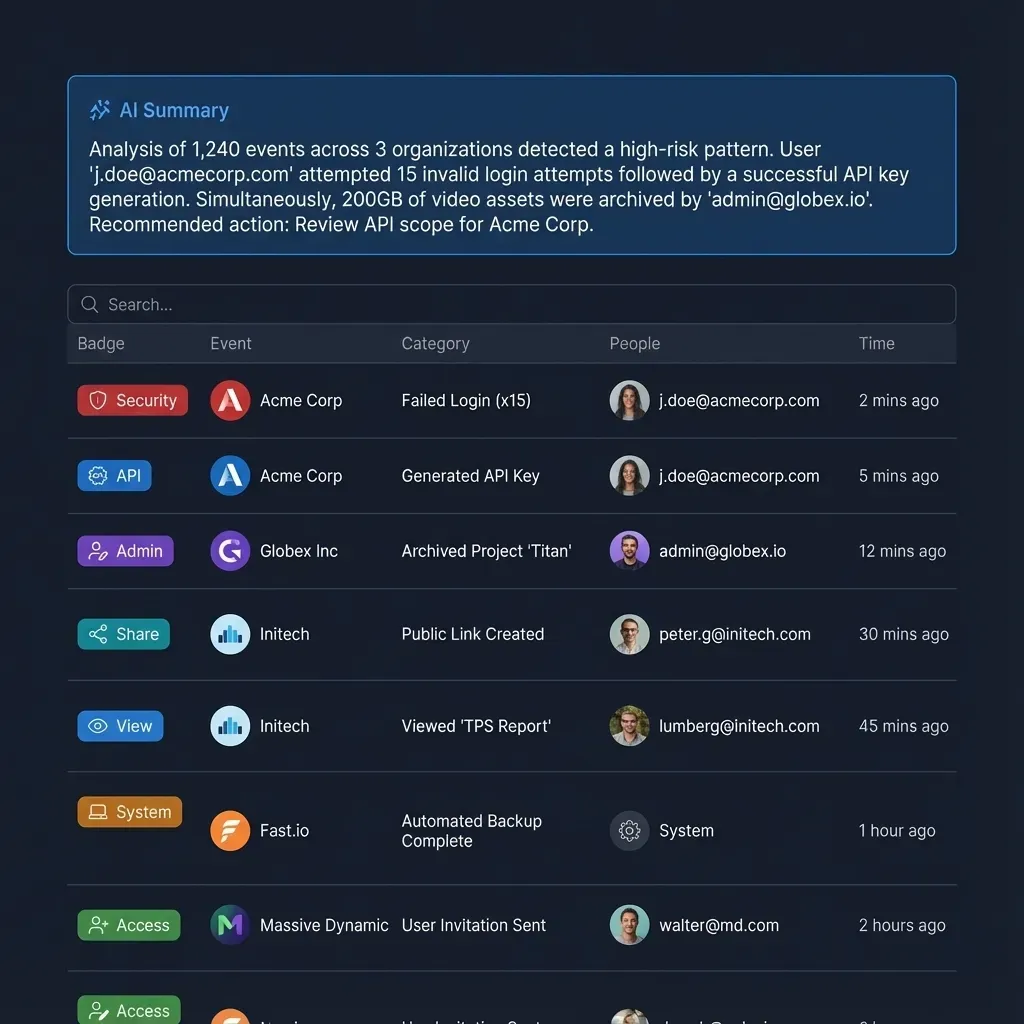
Store shared state in workspaces. Use version history and granular permissions for concurrent access. Realtime activity feeds notify the crew on changes.
Benefits: Reduces errors in production. Handles scale with ownership transfer for human review.


Ready for AI-Powered Argo CD?
Start with Fastio Business Trial: persistent storage, usage-based credits, and a consolidated MCP toolset. Built for agent argo integration workflows.
Best Practices for Agent-Driven CD
Follow these to ensure reliability.
Security: Use RBAC for agents. Rotate tokens. Fastio granular permissions.
Observability: Log all actions. Use Argo CD audit logs + Fastio activity tracking.
Testing: Simulate in dev cluster. Use Intelligence Mode for RAG on past deploys.
Scaling: Multi-agent with version history and granular permissions prevents conflicts.
Edge Cases: Handle rate limits, network issues with retries.
Integrate URL Import to pull manifests from GitHub without local storage.
Document access rules, audit trails, and retention policies before rollout so staging results are repeatable in production. This avoids late surprises and helps teams debug issues with confidence.
Troubleshooting Common Issues
Sync Fails: Check RBAC, repo access.
Agent Permission Denied: Verify Argo token scopes.
File Conflicts: Acquire Fastio advisory file locks before editing, and use version history to restore revisions.
LLM Hallucinations: Ground with RAG from workspace files.
Monitor with Prometheus + Grafana.
Sources
References used to verify factual claims in this guide.
-
84% of organizations are using or evaluating Kubernetes
Frequently Asked Questions
How to connect AI agents to Argo CD?
Use Argo CD API or MCP server. Generate token, define tools for list/sync/rollback. Store manifests in Fastio for RAG grounding.
Best practices for agent-driven CD?
Implement hierarchies, use advisory file locks and version history for multi-agent coordination, event feeds for changes, and audit logs. Test in staging, ground prompts with docs.
What is MCP for Argo CD?
Model Context Protocol server exposes Argo ops as LLM tools. argoproj-labs/mcp-for-argocd provides natural language management.
How do Fastio workspaces help?
Shared storage for manifests, RAG search once Intelligence is enabled, a consolidated MCP toolset, and version history for coordination. Fastio offers a 14-day Business Trial.
Can agents handle multi-cluster Argo?
Yes, configure multiple Argo instances as tools. Supervisor routes based on cluster.
Related Resources

Ready for AI-Powered Argo CD?
Start with Fastio Business Trial: persistent storage, usage-based credits, and a consolidated MCP toolset. Built for agent argo integration workflows.