How to Implement AI Agent Autoscaling Strategies
Autoscaling ensures AI agents handle variable loads dynamically by adjusting resources based on demand. In multi-agent systems, this prevents overloads and optimizes costs. This guide explores autoscaling AI agents, strategies for scale multi-agent systems, key metrics, proven techniques, and workspace-integrated methods using persistent storage solutions like Fastio. Whether building reactive workflows or handling bursty traffic, these approaches help maintain reliability.


What Is AI Agent Autoscaling?
AI agent autoscaling adjusts the number of active agents or their resources to match current demand. Agents process tasks like data analysis or file operations, and loads vary with user queries or events.
Without autoscaling, fixed agent counts lead to delays during peaks or idle costs during lulls. Scaling happens horizontally by spinning up more agents or vertically by boosting CPU/memory per agent.
In practice, production systems scale agent fleets based on queue lengths or latency thresholds. This keeps response times low even during load spikes.
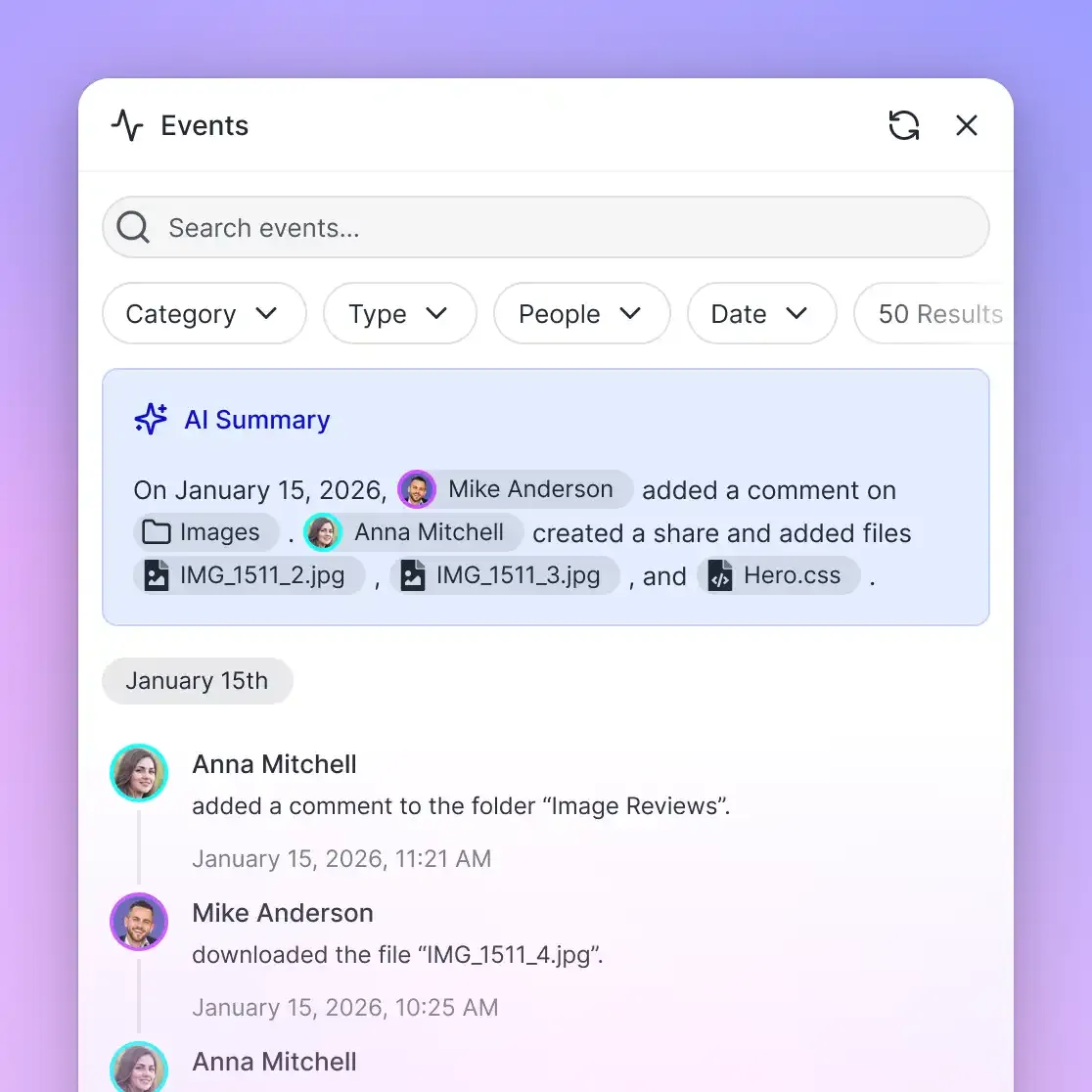
Fastio workspaces support this through advisory file locks, version history, and realtime activity feeds, coordinating scaled agents during concurrent operations.
Helpful references: Fastio Workspaces, Fastio Collaboration, and Fastio AI.
Related guides
- How to Use AI Agents for KEDA AutoscalingAI agent KEDA autoscaling uses agents to dynamically scale workloads based on events. KEDA, Kubernetes Event-driven...
- How to Implement AI Agent GitOps: Declarative Agent DeploymentsAI Agent GitOps applies the principles of GitOps, version control, declarative definitions, and automated...
- How to Implement AI Agent Production LoggingLogging for AI agents requires capturing traces, reasoning chains, decisions, API calls, and errors for effective...
- How to Implement AI Agent Infra as Code (IaC)Deploying AI agents manually leads to "works on my machine" issues and state drift. AI Agent Infrastructure as Code...
- Best AI Agent Hosting Platforms in 2026AI agent hosting platforms provide compute, storage, and orchestration for deploying autonomous agents in production....
- Best Self-Hosted AI Agent Platforms (2026 Guide)Self-hosted AI agent platforms let teams run agents on their own infrastructure, keeping data on-premise and avoiding...
More on this subject: Agent Infrastructure and Deployment (55 guides)
Key Metrics for AI Agent Autoscaling
Track these metrics to trigger scaling decisions.
Queue Length: Tasks waiting exceed your threshold? Scale up.
Latency: Average response time above your target signals overload.
Custom Metrics: File operations per minute or workspace access rates.
Tools like Prometheus collect these for Kubernetes HPA or serverless functions.
Setting Thresholds
Start conservative: scale at 70% utilization. Tune based on workload patterns. For bursty traffic, use hysteresis to avoid thrashing.
5 Proven Autoscaling Strategies for AI Agents
Here are strategies ranked by simplicity and effectiveness.
Horizontal Pod Autoscaling (HPA): Use Kubernetes to add agent pods based on CPU. Simple for containerized agents. Handles stateless scaling well.
Vertical Scaling: Increase resources per agent. Good for compute-heavy tasks like model inference, but slower than horizontal.
Predictive Scaling: Machine learning forecasts demand from historical data. AWS Predictive Scaling can reduce costs in steady patterns.
Serverless Autoscaling: Platforms like AWS Lambda scale to zero. Ideal for sporadic tasks, but cold starts add latency.
Event-Driven Scaling: Event feeds trigger new agents on file changes, working alongside persistent storage for stateful multi-agent coordination.
Combine strategies: HPA for baseline, predictive for peaks.
Workspace-Integrated Scaling for Multi-Agent Systems
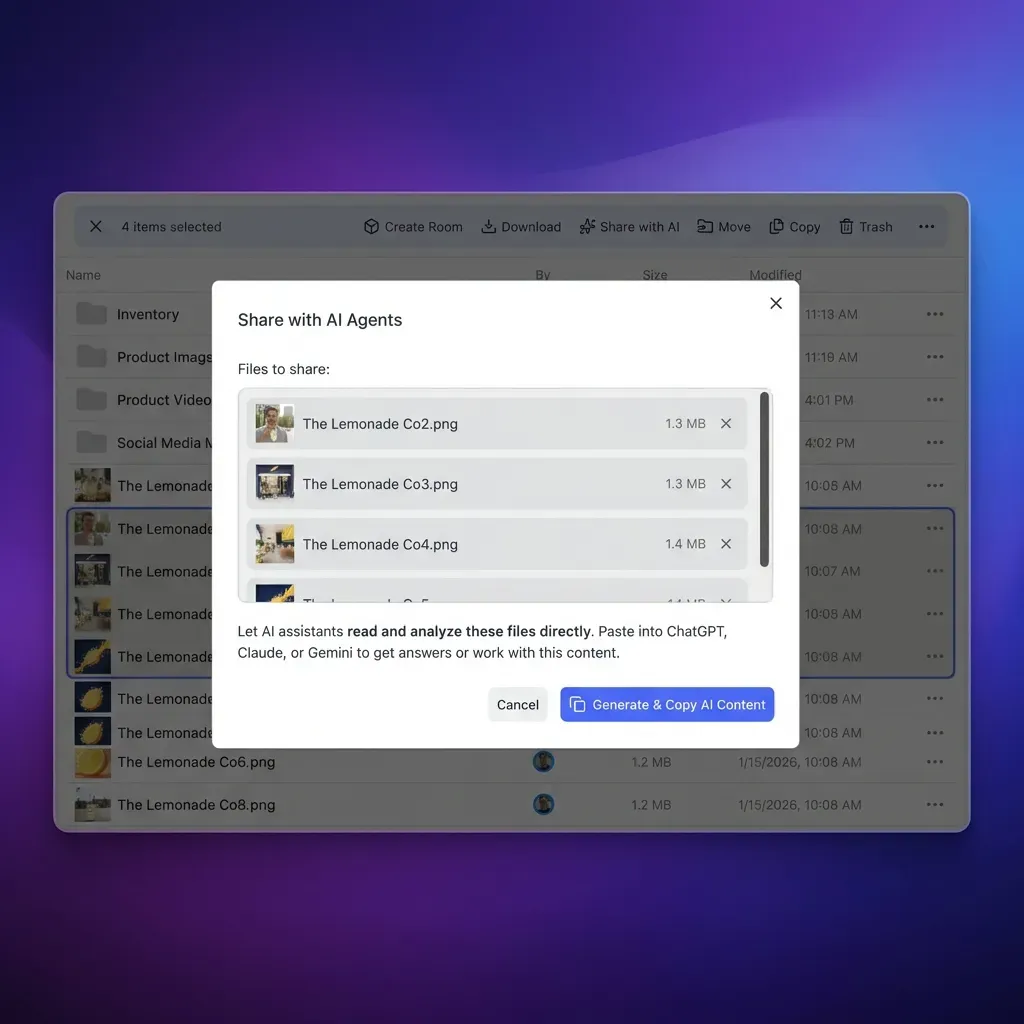
Traditional scaling ignores state. Agents need shared persistent storage for coordination. Fastio provides intelligent workspaces where scaled agents access the same files via a consolidated MCP toolset. Key features:
- Advisory File Locks: Coordinate concurrent writes with leases before editing, backed by version history.
- Version History & Permissions: Inspect revisions and control access in multi-agent setups.
- Realtime Event Feeds: Trigger scaling on file uploads or changes using WebSocket feeds or activity polling.
- Intelligence Mode: Index files for RAG across all agents once Intelligence is enabled.
Example workflow: New file events notify coordinator agents to scale worker instances, which process documents and store results with full audit trails. Ownership transfer hands deliverables to humans. The 14-day Business Trial offers persistent storage and usage-based credits. MCP supports Streamable HTTP and SSE transport. Code snippet for event-driven scaling:
### Event listener pseudocode
events.on('file_uploaded', lambda event: scale_agents(event))
Workspace-native coordination ensures agents stay synchronized.


Give Your AI Agents Persistent Storage
Fastio intelligent workspaces support multi-agent scaling with advisory file locks, version history, event feeds, and a consolidated MCP toolset. Built for agent autoscaling strategies workflows.
Monitoring and Optimization Best Practices
Post-scaling, monitor to refine.
Optimize agent code for parallelism. Use durable queues like SQS.
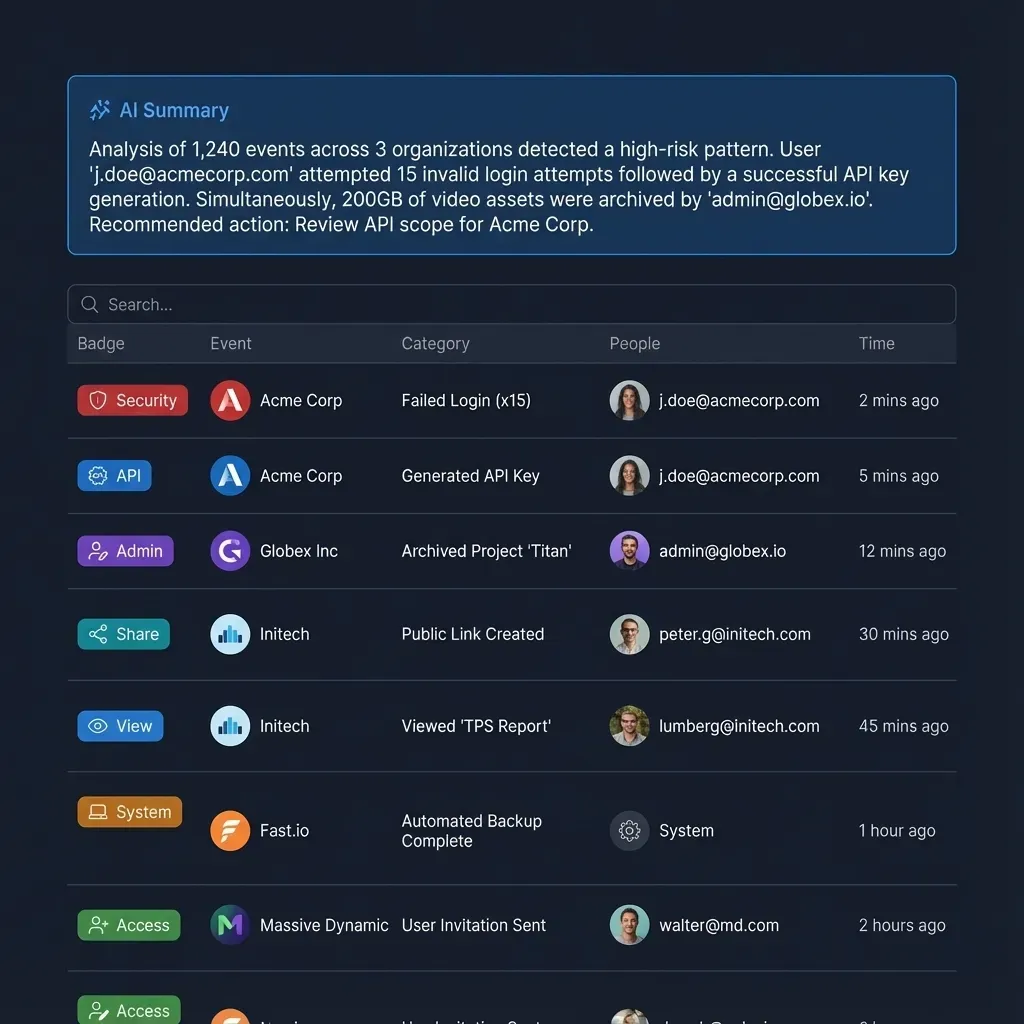
In Fastio, audit logs track all agent actions across scales.
Regularly review: Did scaling prevent outages? Costs under budget?
Common Pitfalls and Implementation Checklist
Pitfalls:
- Thrashing: Rapid scale up/down. Fix with cooldown periods.
- State Loss: Stateless agents forget context. Use persistent workspaces.
- Overprovisioning: Fixed high counts waste money.
Checklist:
- Define metrics and thresholds.
- Implement HPA or equivalent.
- Add shared storage with version tracking.
- Test under load.
- Monitor and iterate.
Start small, scale confidently.
Capture these lessons in a shared runbook so new contributors can follow the same process. Consistency reduces regression risk and makes troubleshooting faster.
Sources
References used to verify factual claims in this guide.
-
Consolidated MCP toolset available
-
Fastio plans bundle seats, storage, and monthly credits
Frequently Asked Questions
How to autoscale AI agents?
Autoscale AI agents using HPA on Kubernetes monitoring CPU/queue length, or serverless platforms. Integrate realtime event feeds for event-driven scaling in workspaces.
What are multi-agent scaling best practices?
Use version history and granular permissions for coordination, predictive metrics for proactivity, and persistent storage for state. Monitor latency and errors to adjust.
What metrics trigger AI agent scaling?
Queue length, latency (for example above 2s), CPU utilization, and error rate, plus custom metrics like file ops/min.
How do workspaces help scale multi-agent systems?
Workspaces provide shared files, version history, and realtime event feeds. Agents scale while maintaining consistency.
How can teams evaluate storage for scaling AI agents?
Fastio offers a 14-day Business Trial with persistent storage, usage-based credits, and a consolidated MCP toolset.
Related Resources

Give Your AI Agents Persistent Storage
Fastio intelligent workspaces support multi-agent scaling with advisory file locks, version history, event feeds, and a consolidated MCP toolset. Built for agent autoscaling strategies workflows.