How to Set Up High Availability Storage for AI Agents
AI agent high availability storage keeps workflows going during failures or maintenance. Agents rely on steady access to files, state, and tools; downtime stops data processing or multi-agent coordination dead. Standard storage misses key agent needs like concurrent access or reactive updates. This guide covers what's needed, main features, provider comparisons, and setup steps for production-ready systems.

What Is High Availability Storage for AI Agents?
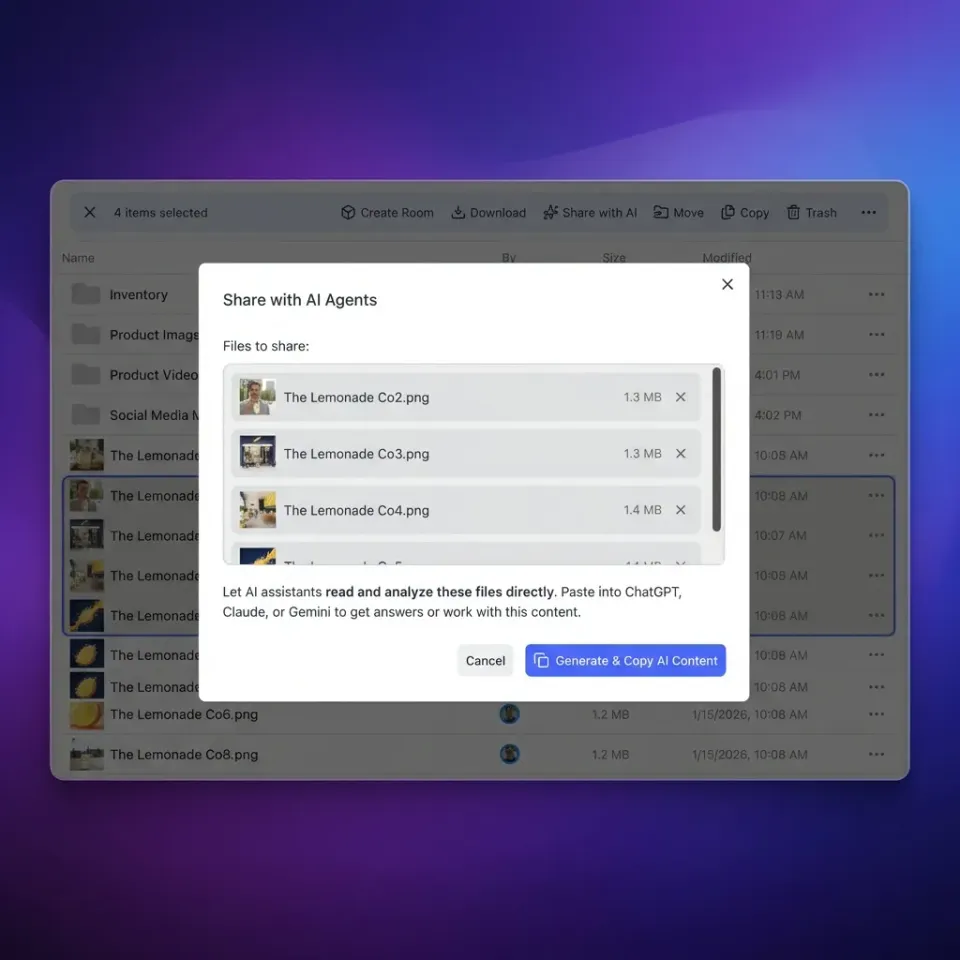
High availability storage for AI agents provides redundant access to files and state, ensuring workflows continue during outages or maintenance. Files replicate across multiple availability zones or regions, allowing agents to read, write, or stream data without interruption even if one infrastructure component fails. This is critical for agentic systems where storage downtime propagates to task failures.
Unlike general cloud storage, agent HA incorporates features tailored to autonomous operations. Granular permissions and version history allow multiple agents to coordinate access without conflicts. Activity polling and WebSocket event feeds deliver real-time updates for file events, supporting reactive architectures without wasteful polling. Cloud-native no-sync models stream files on-demand via API, avoiding sync conflicts common in traditional tools like Dropbox or Google Drive.
Agents often run in serverless environments like Cloudflare Workers or AWS Lambda, where local storage is ephemeral. HA storage uses global distribution for low-latency access worldwide. Replication ensures consistency, with strong eventual consistency models suitable for most agent tasks. In practice, measure HA by task completion rates, latency percentiles, and failover time rather than raw uptime percentages.
In multi-agent swarms, HA enables coordinated work. One agent acquires an advisory file lock before writing, heartbeats it while working, and releases it when done, while others wait or read. Providers like Fastio integrate file locks with version history in workspaces, combining redundancy with a consolidated MCP toolset. See Fastio AI for more.
Related guides
- How to Set Up Agentic AI Storage for Persistent Agent MemoryAgentic AI storage provides persistent file and data access that autonomous agents need to complete multi-step tasks...
- How to Set Up Chroma Storage for AI AgentsAI agent chroma storage uses Chroma DB as an embedded vector database for local RAG without cloud dependencies. It...
- How to Set Up File Storage in FlowiseFlowise is a drag-and-drop UI for building LLM-powered applications, but it doesn't include persistent file storage out...
- How to Set Up File Storage for Grok xAI AgentsGrok agents from xAI need file storage that holds data across sessions for tool use. Fastio workspaces offer API access...
- How to Set Up CodeSandbox AI Agent StorageCodeSandbox AI agent storage bridges ephemeral sandboxes to persistent workspaces. Agents in CodeSandbox need reliable...
- How to Set Up File Storage for n8n AI Workflowsn8n AI workflows need persistent file storage to save documents, process AI outputs, and build RAG pipelines. This...
More on this subject: Agent Memory and Storage (263 guides)
Why AI Agents Need HA and Reliable File Storage
AI agents demand HA storage because they operate continuously without human intervention, making any downtime costly. A storage outage can halt data ingestion, model inference, or output generation, leading to missed SLAs or lost revenue in production systems. Multi-agent systems amplify risks: concurrent reads/writes require atomicity to avoid race conditions and stale data.
Consider a report-generation agent swarm: one ingests CSV data, another runs LLM analysis, a third formats PDFs. If storage fails mid-write, partial files corrupt downstream tasks. HA redundancy ensures writes succeed across replicas, version history tracks updates, and event feeds chain processing steps.
Multi-tenancy adds complexity. Agents serve multiple clients or projects, needing isolated yet highly available data per workspace. Generic storage like S3 requires custom bucket strategies per tenant, increasing ops overhead. Native multi-tenancy with workspaces simplifies scaling and billing isolation.
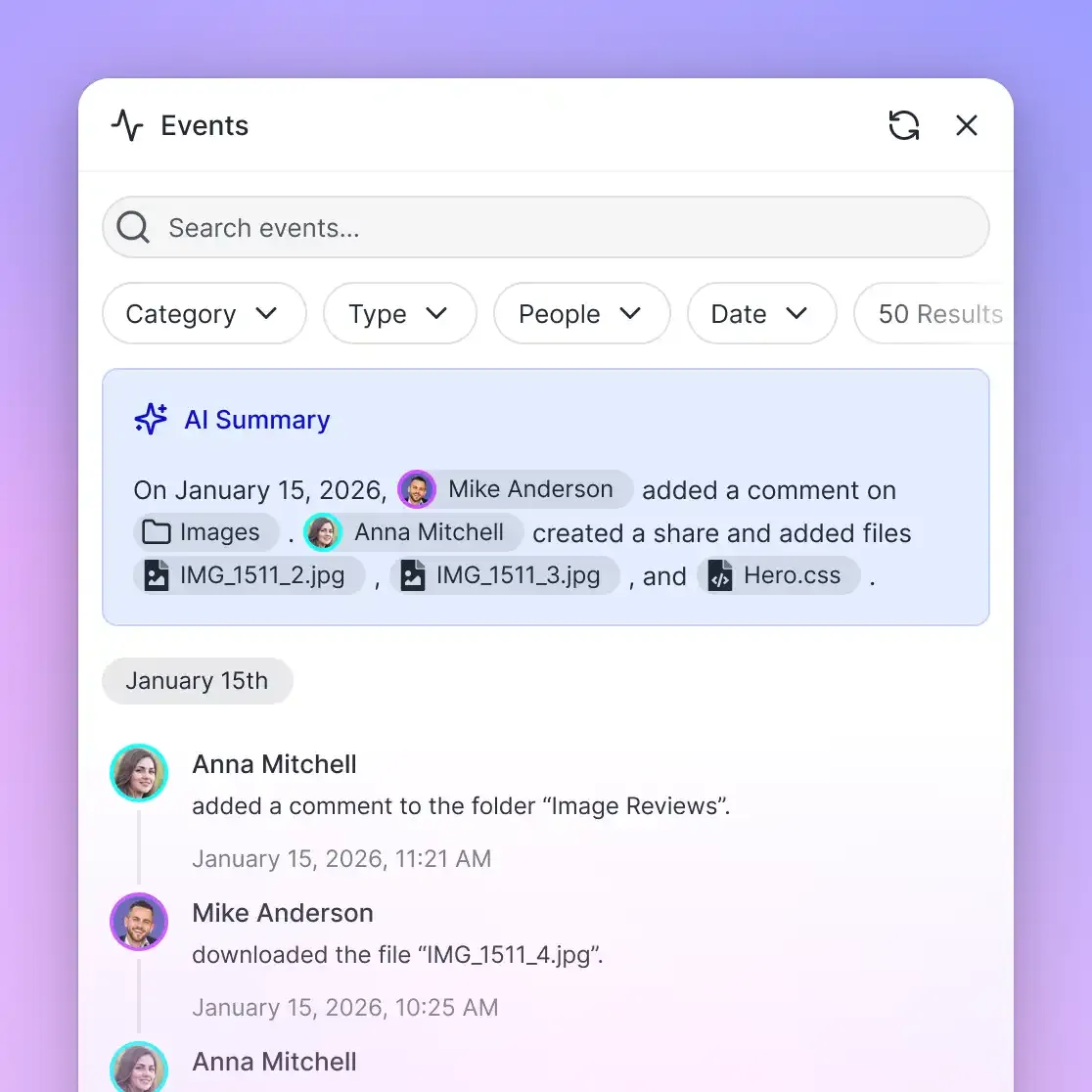
Reactive workflows cut latency and costs. Polling constantly burns API credits; WebSocket event feeds push updates promptly, triggering indexing, validation, or human handoffs. Fastio combines this with zone-redundancy and usage-based credits.
Example: ETL pipeline with multiple agents processing daily logs. HA keeps it available, version history protects shared schemas, and event feeds notify on completion.
Essential Features of HA Storage for Agents
Essential features distinguish agent-optimized HA storage from generic options. Focus on these for production agent workflows.
Cloud-Native No-Sync Architecture
Agents stream files via REST or MCP without downloading locally. This avoids disk exhaustion in serverless functions and eliminates sync conflicts.
Advisory File Locks and Version History for Safe Concurrency
Distributed agent workflows rely on advisory file locks, granular workspace permissions, and automatic file version history with restore to prevent data loss:
{
  "workspaceId": "ws_ha_prod",
  "path": "/shared/report.json",
  "action": "file_version_created",
  "actor": "agent_analyzer"
}
WebSocket Events for Reactive Workflows
Subscribe to the WebSocket events feed or poll the activity log to react to changes without custom webhook servers:
{
  "event": "file_uploaded",
  "workspaceId": "ws_ha_prod",
  "path": "/data/input.csv",
  "size": 1048576,
  "timestamp": "2026-02-19T12:00:00Z"
}
Trigger indexing or downstream agents promptly.
Native Multi-Tenancy
Organizations contain workspaces for client isolation. Granular RBAC at org/workspace/folder/file levels.
Auto RAG Indexing
Toggle Intelligence Mode; files vectorized automatically. Query semantically: "Find Q1 sales data."
Pros-cons table:
Choose agent-optimized for simplicity and speed.


Give Your AI Agents Persistent Storage
Start with persistent workspaces, version history, event feeds, and a consolidated MCP toolset. Built for agent high availability storage workflows.
Comparing HA Storage Providers for Agents
Evaluate providers by agent-specific capabilities, not just raw durability.
Amazon S3 High durability, multi-AZ replication. No native locks (use DynamoDB overlays). Events via SQS/Lambda add latency/cost. Multi-tenancy via bucket policies. No free persistent tier for testing. Bills per request/GB.
Google Cloud Storage Dual/multi-region buckets for HA. Pub/Sub notifications. No file locks; custom for concurrency. Bucket-level tenancy. Regional coldline cheaper but slower.
Fastio Zone-redundant workspaces built for agents. Version history, WebSocket event feed, consolidated MCP toolset (HTTP/SSE). A 14-day Business Trial, card required; see /pricing/. Ownership transfer: agents build, hand to humans. Intelligence Mode for RAG once enabled.
Vector Stores (Pinecone) Embeddings HA, but no full file storage/streaming. No locks/webhooks for blobs.
OpenAI Files Ephemeral, assistant-tied. No long-term HA or sharing.
Table:
Fastio wins for agent-native HA.
Step-by-Step HA Setup for AI Agents
Follow these steps to deploy production HA storage for agents on Fastio.
1. Create Agent Account Sign up at Fastio. Start a 14-day Business Trial (credit card required; see /pricing/) to get workspaces and an API token.
2. Provision HA Workspace
Create the workspace with the MCP org tool, which handles workspace creation, and turn on Intelligence Mode for it.
Intelligence Mode enables RAG auto-indexing.
3. Verify Redundancy Upload from US/EU regions, query from another. Fastio handles zone failover transparently.
4. Leverage Version History and Permissions Organize work with folder permissions and rely on file version history. When agents save updates, previous versions remain intact and can be restored if conflicts occur.
5. Subscribe to Event Feeds Connect to the WebSocket events feed or poll the activity feed to react to file changes without deploying dedicated webhook endpoints.
6. Monitor & Scale
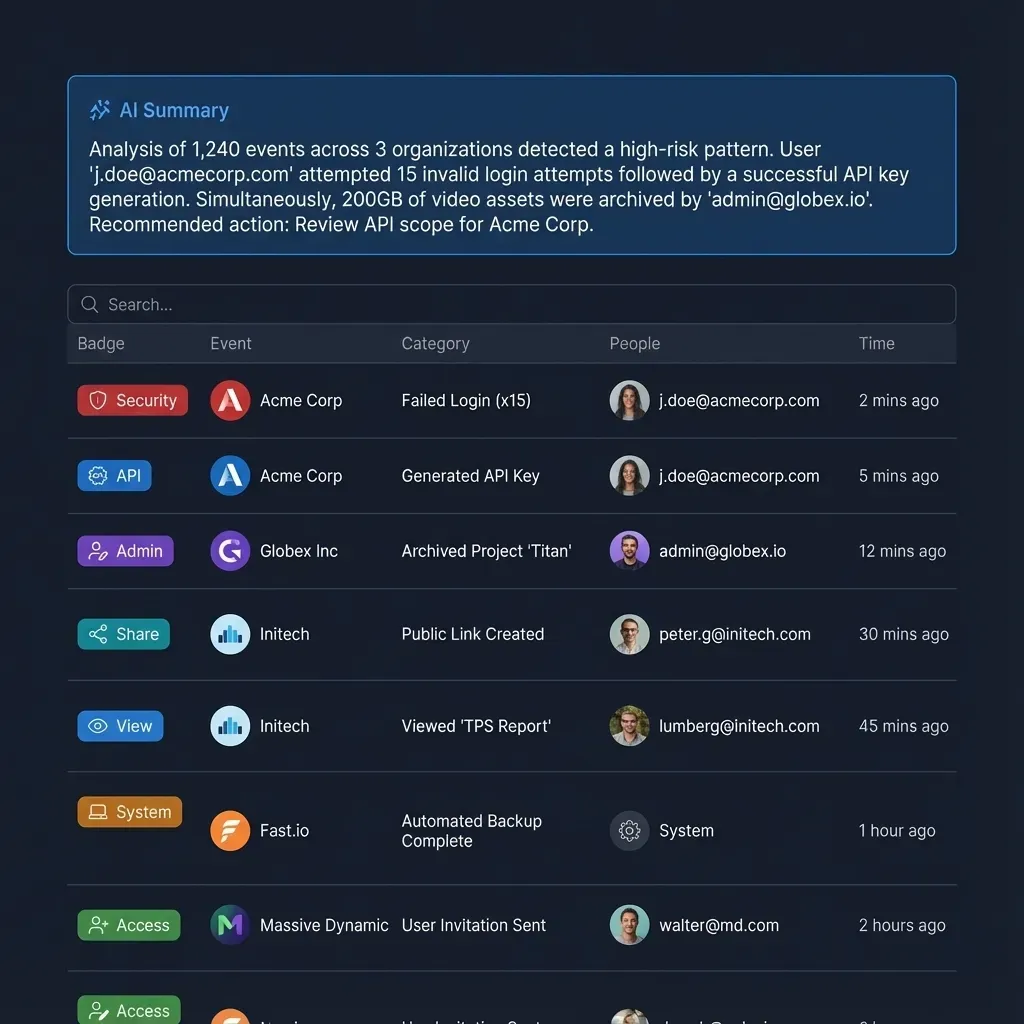
Query audit logs with the MCP event tool's search action.
Track credits in the dashboard. Upgrade your plan for more.
Error Handling Retries: exp backoff (1s,2s,4s). Idempotent event processing.
Test: Load test with multiple concurrent agents; expect <100ms p95 latency.
Troubleshooting HA Storage Issues
Address common HA issues systematically.
Write Concurrency Conflicts Symptoms: conflict during concurrent writes. Fixes: acquire an advisory file lock before writing, use scoped agent subfolders, and rely on version history with restore.
Event Feed Reconnection Monitor WebSocket connection state and implement automatic reconnection with exponential backoff.
High Latency/Timeouts Profile regions. Chunk large uploads.
Quota/Rate Limits Plan credits reached? Monitor usage in the dashboard. Upgrade your plan as storage and credit needs expand.
Eventual Consistency Anomalies Rare reads see old data; poll post-write or inspect version history for sync needs.
Debug Tools
Audit log: search it with the MCP event tool.
Logs show actor, IP, outcome.
Sources
References used to verify factual claims in this guide.
-
Fastio offers a 14-day Business Trial with usage-based credits.
-
Fastio provides a consolidated MCP toolset.
Frequently Asked Questions
What is HA for AI agents?
HA storage provides redundancy and version tracking so agents access files without downtime in multi-agent setups.
How does agent storage redundancy work?
Data copies across regions with automatic failover. Agents always see a consistent view.
How do agents coordinate shared files in HA storage?
Agents coordinate through advisory file locks, granular permissions, automatic file version history with restore, and a detailed activity log.
Do event feeds fit HA storage?
Yes, WebSocket event feeds trigger actions on storage events, cutting down on polling.
What trial options exist for agent HA storage?
Fastio offers a 14-day Business Trial, card required; see /pricing/.
HA vs standard storage for agents?
HA brings redundancy, version history, and event feeds. Standard storage can't handle agent coordination.
Related Resources

Give Your AI Agents Persistent Storage
Start with persistent workspaces, version history, event feeds, and a consolidated MCP toolset. Built for agent high availability storage workflows.