How to Manage Logistics Files with AI Agents
AI agent logistics file management uses autonomous AI to handle supply chain documents like manifests, invoices, and tracking reports in real time. Agents organize files, update statuses, and share with teams, cutting manual work. Fastio provides intelligent workspaces where agents and humans collaborate using a consolidated MCP toolset and built-in RAG for semantic search once Intelligence is enabled.

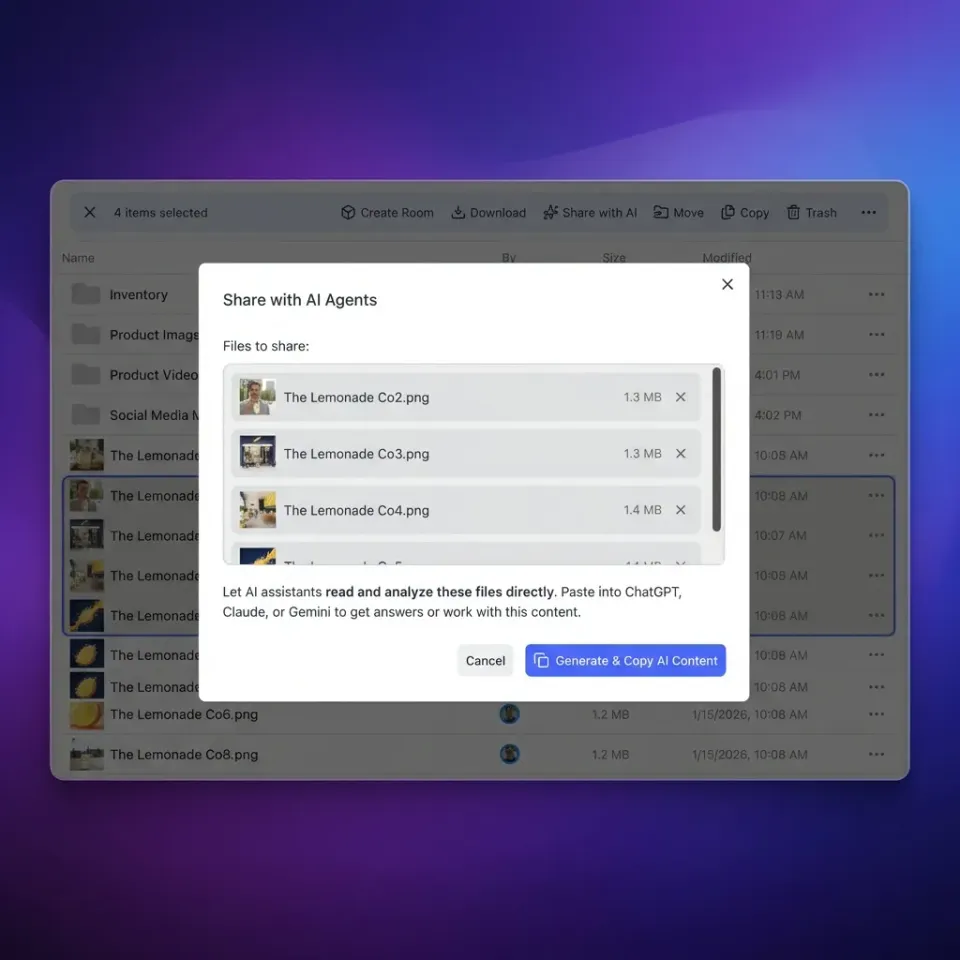
What Is AI Agent File Management in Logistics?
AI agents in logistics manage files for real-time tracking and documentation. They process shipment manifests, invoices, customs forms, and sensor data automatically.
In practice, an agent monitors incoming container data, extracts key details, files them in structured workspaces, and notifies stakeholders. This handles the file volume growth in supply chains, where data doubles regularly from IoT and digital logs.
Fastio workspaces let agents act as full members, using the same tools humans do via API or MCP.
Helpful references: Fastio Workspaces, Fastio Collaboration, and Fastio AI.
Core Components
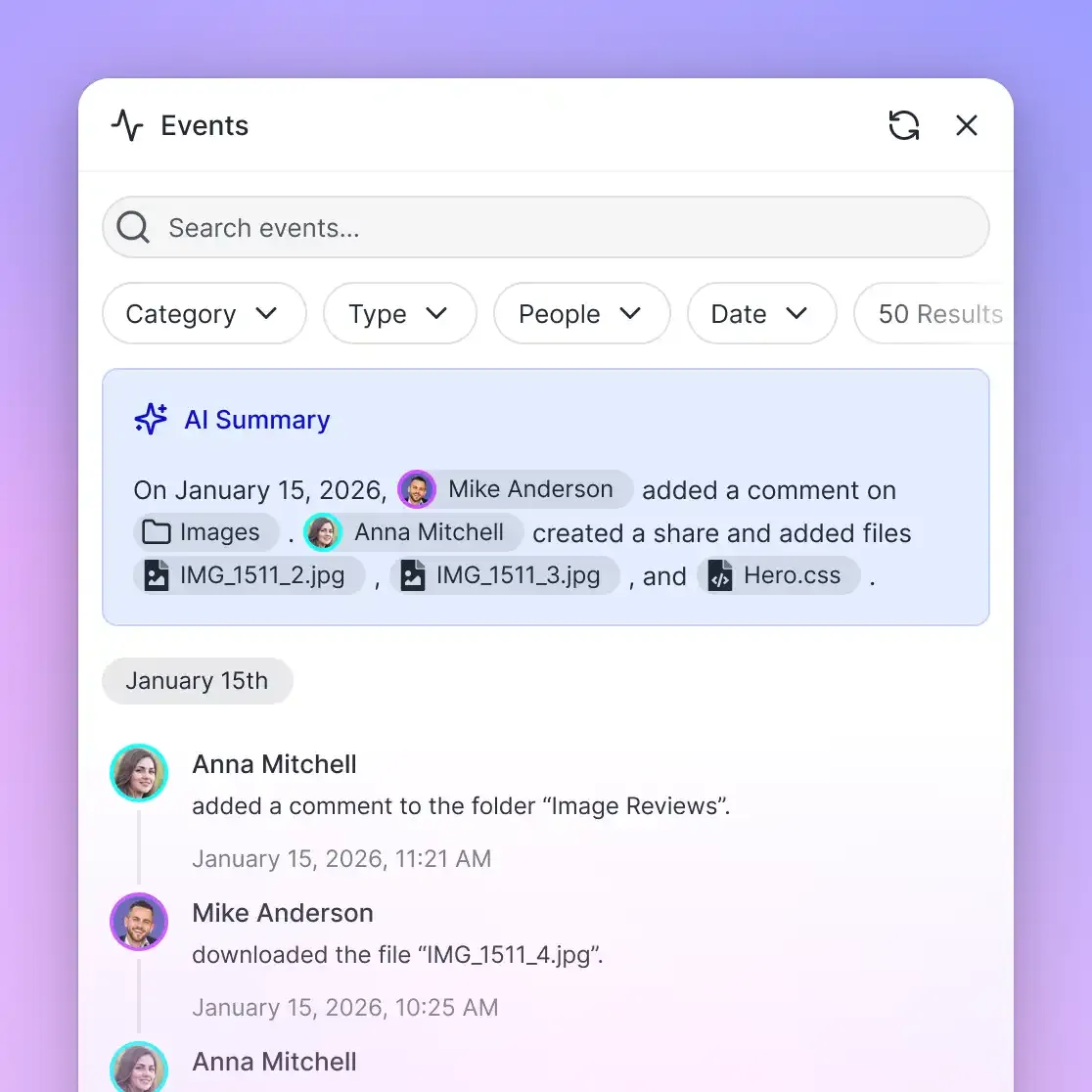
Agents need persistent storage, event feeds, version history, and RAG once Intelligence is enabled. Fastio covers these with persistent workspaces and developer tooling.
Related guides
- How to Manage Google AI Studio FilesGoogle AI Studio lets developers upload documents, images, and video for Gemini's large context window. But the file...
- How to Manage Files with Google ADK AgentsGoogle ADK (Agent Development Kit) provides a structured way for agents to manage binary data through the Artifacts...
- How to Manage AI Agent File VersionsVersion management lets AI agents track, compare, and restore files they create.
- How to Manage Files with the OpenAI Assistants APIManaging files in the OpenAI Assistants API requires more than just a simple upload. It involves structuring knowledge...
- How to Use AI Assistants for File Management and OrganizationAI assistant file management uses artificial intelligence to organize, categorize, search, and manage files...
- How to Manage AI Agent Artifacts: Persistent Storage for Agent OutputsAI agent artifacts are the tangible outputs created during agent tasks: code, documents, data visualizations, and...
More on this subject: Agent File and Document Workflows (325 guides)
Why Logistics Needs AI Agents for File Handling
Logistics generates massive files daily: bills of lading, proof of delivery, compliance reports. Manual sorting leads to delays and errors.
AI agents automate classification, versioning, and sharing. They pull files from suppliers via URL import, index for search once Intelligence is enabled, and trigger actions on changes.
Teams gain speed. Agents work continuously, integrating with TMS systems for end-to-end visibility.
Supply Chain File Challenges
- High volume from global operations
- Real-time updates across time zones
- Compliance with varying regulations
- Collaboration between carriers, warehouses, customers
Fastio Features for AI Logistics Agents
Fastio provides persistent infrastructure for agentic teams. Key capabilities:
- Consolidated MCP Toolset: File CRUD, search, and sharing via Streamable HTTP.
- Intelligence: Auto-RAG indexing once enabled for the workspace; query files naturally.
- Advisory File Locks: Coordinate updates across agent fleets before writing to shared manifests.
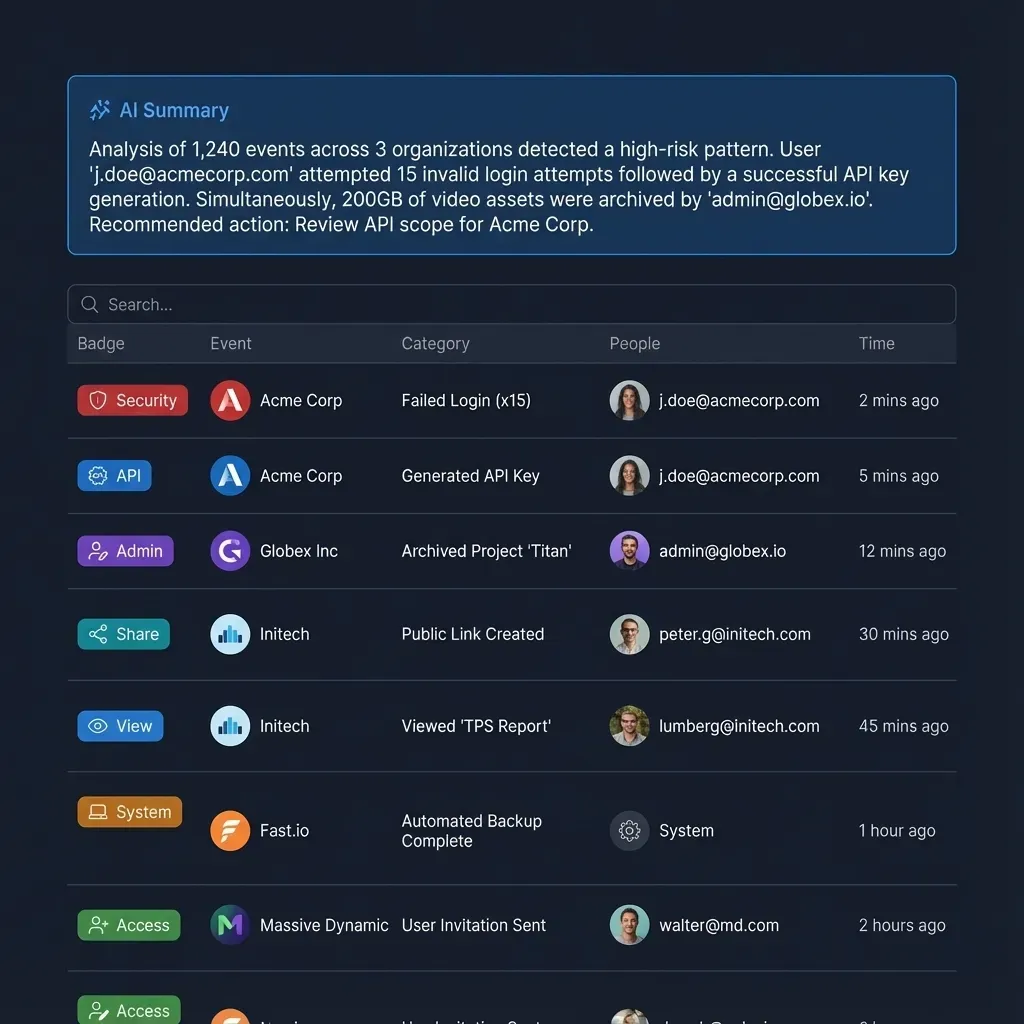
- WebSocket Events: React to uploads and changes in real time without polling.
- Version History and Audit Logs: Track modifications and restore previous versions.
- Ownership Transfer: Agent builds workspace, hands to human owner via claim link. Example: Agent imports shipment CSV from supplier URL, indexes, summarizes delays, shares branded portal.


Start AI Agent Logistics File Management
Persistent cloud storage, intelligent document search, and a consolidated MCP toolset. Agents build, humans collaborate.
Step-by-Step: Implement AI Agent File Management
Follow these steps to deploy.
- Start Business Trial: Register at Fastio for a 14-day Business Trial (credit card required).
- Create Workspace: Provision a workspace via the REST API or MCP server. Enable Intelligence for the workspace.
- Integrate MCP or CLI: Connect via https://mcp.fast.io/mcp/tools or use the Fastio CLI (@vividengine/fastio-cli).
- Import Files: Use one-time cloud import from Google Drive, Dropbox, OneDrive, Box, or public URLs.
- Automate Event Processing: Use WebSocket event feeds or activity polling to trigger downstream agent processing once new files arrive.
Agent Workspace Handoff Best Practices
Competitors lack handoff patterns. Fastio excels here.
Agents build complete logistics hubs: organize files, set permissions, create shares.
Transfer: Agent initiates ownership transfer so a human lead claims the organization while the agent retains admin access.
Best practices:
- Structure folders: /shipments/active, /shipments/archived
- Document with summaries via RAG once Intelligence is enabled
- Set granular roles before transfer
- Use audit logs for transparency
Result: Humans take over without rework.
Troubleshooting Common Issues
Credits: Monitor credit consumption for AI queries and ingestion.
Concurrency: Acquire advisory file locks before modifying shared manifests, scope agents to dedicated folders, and rely on file version history.
Large Files: Use chunked uploads for large binary packages.
Search Misses: Ensure Intelligence is enabled for the workspace; verify document status.
Frequently Asked Questions
What are AI agents for logistics files?
AI agents automate file organization, tracking, and sharing in supply chains. They handle manifests and reports, integrating with Fastio workspaces for RAG queries.
How does file management work in supply chain AI?
Agents classify docs, update statuses, and notify via event feeds. Fastio provides persistent storage and a remote MCP server for any LLM.
Can AI agents hand off workspaces to humans?
Yes, Fastio supports ownership transfer. Agents build, humans own, agent keeps access.
Is there a free trial for logistics AI agents?
Fastio offers a 14-day Business Trial (credit card required) with persistent storage and AI credits. See /pricing/ for Starter, Business, and Enterprise plans.
How do agents connect to Fastio for logistics files?
Agents connect via the remote MCP server at https://mcp.fast.io/mcp/tools using Streamable HTTP, or via the REST API at https://api.fast.io/current/.
What file types for supply chain agents?
CSV, PDF, images, JSON, Fastio previews all, indexes for AI search.
Related Resources

Start AI Agent Logistics File Management
Persistent cloud storage, intelligent document search, and a consolidated MCP toolset. Agents build, humans collaborate.