How to Use WebDAV Storage for AI Agents
AI agent WebDAV storage uses HTTP extensions for reliable file access in self-hosted environments. Agents read, write, and lock files directly over standard WebDAV endpoints. This guide covers server setup, agent integration, permissions, and why MCP tools offer a modern upgrade.

What Is WebDAV Storage?
WebDAV extends HTTP for collaborative file authoring. It adds methods like PROPFIND, PROPPATCH, MKCOL, COPY, MOVE, and LOCK to manage files and directories remotely.
For AI agents, WebDAV acts as persistent storage. Agents upload outputs, retrieve inputs, and coordinate via locks without custom APIs. Servers like Apache mod_dav or nginx-dav handle requests.
This fits self-hosted setups where agents need control over data location. Nextcloud and ownCloud expose WebDAV endpoints out of the box.
Helpful references: Fastio Workspaces, Fastio Collaboration, and Fastio AI.
Related guides
- How to Set Up a Self-Hosted AI Agent WorkspaceA self-hosted AI agent workspace runs entirely on local infrastructure. It provides privacy-focused storage and tool...
- Best Cloud Storage for AI Agents: Top 7 Platforms ComparedCloud storage for AI agents provides persistent file access, version control, and API-driven operations that let...
- 10 Best Storage Solutions for RAG Pipelines in 2026RAG pipelines need two storage layers: document stores for raw files before ingestion, and vector databases for...
- Top 10 Cloud Storage APIs for AI ApplicationsA cloud storage API for AI is a programmatic interface that lets AI applications store, retrieve, and manage files and...
- How to Set Up Agentic AI Storage for Persistent Agent MemoryAgentic AI storage provides persistent file and data access that autonomous agents need to complete multi-step tasks...
- Best File Storage for Multi-Agent SystemsFile storage for multi-agent systems gives AI agents a shared file layer with concurrent access controls. Agents can...
More on this subject: Agent Memory and Storage (263 guides)
Why WebDAV for AI Agents?
Agents require reliable file I/O for artifacts, checkpoints, and logs. WebDAV works with any HTTP client library, avoiding vendor lock-in.
In practice, agents mount WebDAV as a drive or use libraries for operations. Locks prevent race conditions in multi-agent systems. Permissions map to agent API keys.
Self-hosted WebDAV keeps data on-premises. Drawbacks include setup overhead and limited agent-specific features compared to dedicated protocols.
Set Up a Self-Hosted WebDAV Server
Start with nginx for simplicity.
Install nginx and dav-ext module: apt install nginx-extras.
Configure /etc/nginx/sites-available/webdav: server { listen 443 ssl; dav_methods PUT DELETE MKCOL COPY MOVE; dav_ext_methods PROPFIND PROPPATCH; dav_access user:rw group:rw; autoindex on; location /dav { alias /var/webdav; auth_basic "Agent Storage"; auth_basic_user_file /etc/nginx/.htpasswd; } }
Create directory: mkdir /var/webdav && chown www-data:www-data /var/webdav.
Generate password: htpasswd -c /etc/nginx/.htpasswd agentuser.
Restart nginx. Endpoint: https://yourserver/dav.
Test with curl -u agentuser:pass -T test.txt https://yourserver/dav/test.txt.


Ready for Agent-Ready Storage?
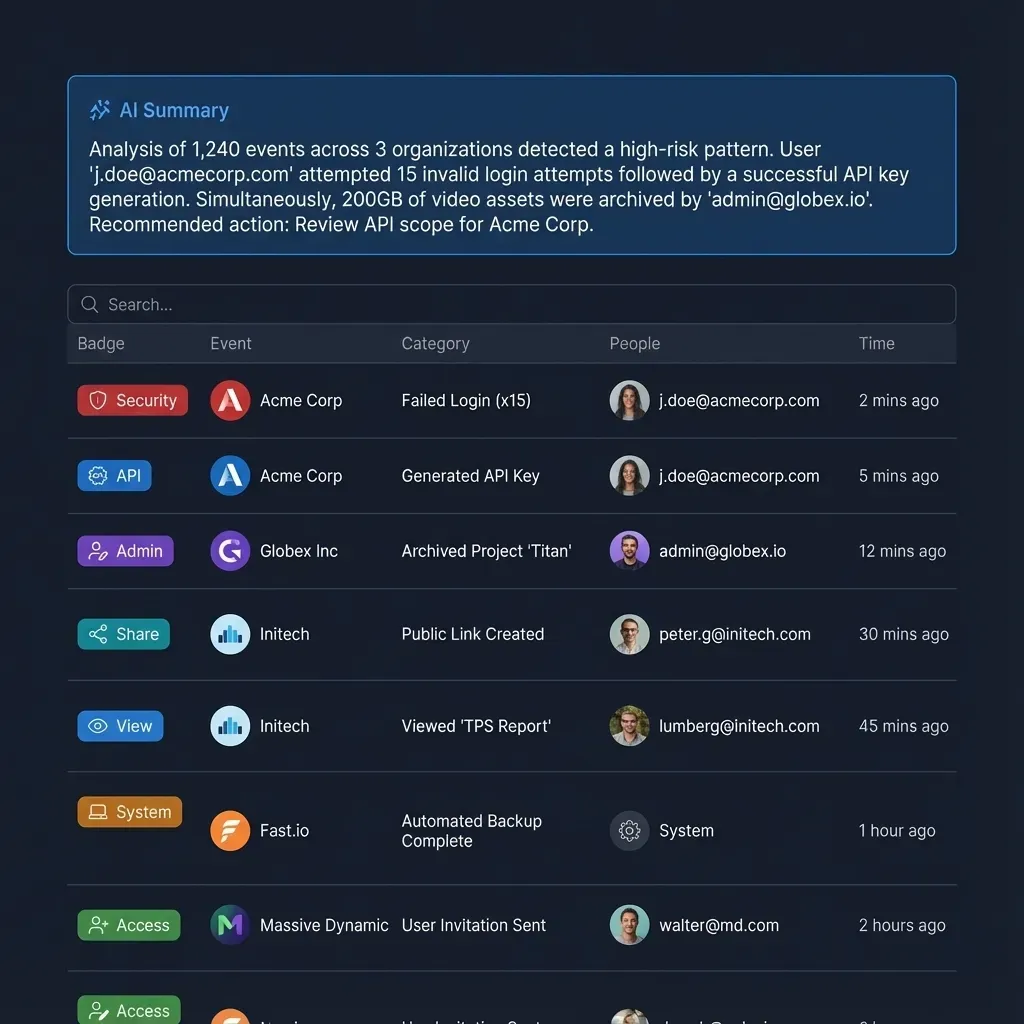
Fastio gives agents generous storage with a consolidated MCP toolset. No server management. Built for agent webdav storage workflows.
Agent Permissions and Mounting
Map agent identities to WebDAV users. Use API keys as usernames.
In nginx, htpasswd stores credentials. For finer control, works alongside LDAP or OAuth.
Mount in agents:
Python example with webdavclient3:
from webdav3.client import Client

options = {
  'webdav_hostname': "https://yourserver",
  'webdav_login': 'agentuser',
  'webdav_password': 'apikey',
  'root_point': '/dav/'
}
client = Client(options)
client.upload_sync(remote_path='/agent-output.json', local_path='local.json')
Locks: client.lock('/file.txt', lock_info={'type': 'write', 'scope': 'exclusive', 'timeout': '-1'})
Multi-Agent Locking
Exclusive locks block concurrent writes, while shared locks allow reads during writes.
Agents check the If: <opaquelocktoken:token> header before operations to respect existing locks.
Limitations and MCP Alternative
WebDAV lacks native agent tools like RAG indexing or webhooks, and setup typically requires sysadmin skills.
Fastio MCP provides a consolidated toolset for agents: upload, list, search, advisory file locks, and sharing via Streamable HTTP. Fastio offers a 14-day Business Trial, card required; see /pricing/.
Bridge WebDAV to MCP: proxy requests or use Fastio as primary with WebDAV fallback. Agents discover via https://fast.io/llms.txt.
Sources
References used to verify factual claims in this guide.
-
WebDAV defined in RFC 4918
-
Apache mod_dav documentation
Frequently Asked Questions
Does WebDAV work for AI agents?
Yes. Libraries handle PROPFIND for listings, PUT for uploads, LOCK for coordination. Nextcloud exposes /remote.php/dav/files/USERNAME/.
How to integrate WebDAV with MCP?
Build a proxy translating MCP calls to WebDAV methods. Fastio MCP offers similar tools natively with built-in RAG.
What servers support WebDAV?
Nginx (dav-ext), Apache (mod_dav), Nextcloud, ownCloud. All handle agent-scale throughput.
Permissions best practices?
Separate users per agent. Use groups for teams. Enable digest auth over HTTPS.
Related Resources

Ready for Agent-Ready Storage?
Fastio gives agents generous storage with a consolidated MCP toolset. No server management. Built for agent webdav storage workflows.