How to Automate File Ownership Transfer with Fastio API
Automating file ownership transfer with the Fastio API lets AI agents securely deliver finished assets to human clients with one API call. Programmatic ownership transfer moves the entire workspace to the client, transferring billing and access rights automatically while letting agents keep administrative access to continue working.

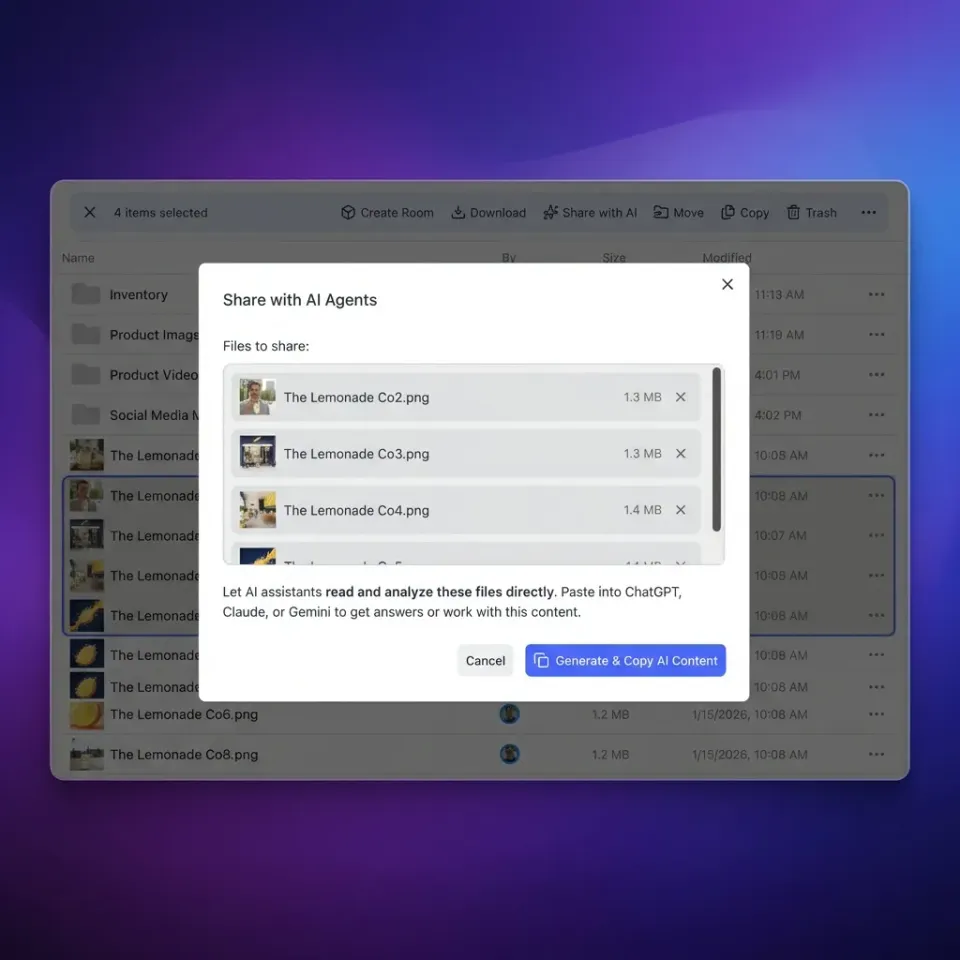
The Challenge of Agent-to-Human Handoff
AI agents need a secure way to hand finished files to human clients. Standard cloud storage is built for humans, making autonomous workflows difficult. Agents often resort to cobbling together temporary S3 buckets, complex presigned URLs, or insecure email attachments.
This breaks the workflow. Agents lose access after sending, and clients get a messy experience. Programmatic ownership transfer moves the entire workspace to the client. Clients receive an organized setup. The AI agent switches from owner to administrator, letting it keep working in the workspace without paying the bill.
Related guides
- How to Choose the Best Payment APIs for AI Agents (2026)Payment APIs for AI agents enable autonomous software to send and receive funds programmatically without human...
- Best AI Image Generation APIs for Agents in 2026AI agents need image generation APIs that go beyond pretty outputs. They need predictable pricing, async processing,...
- Fastio API vs Google Drive API for AI AgentsWhen building autonomous systems, developers must choose the right storage layer for their AI agents. While the Google...
- How to Connect the Fastio API to OpenAI AssistantsConnecting Fastio to OpenAI Assistants gives your agents direct access to persistent file workspaces, skipping manual...
- How to Build a Fastio API Folder StructureManually creating workspaces slows down development and client onboarding. A Fastio API folder structure creation guide...
- OneDrive Search API: Microsoft Graph File Search GuideThe OneDrive Search API, exposed through Microsoft Graph, enables programmatic text searching, filename matching, and...
More on this subject: Agent Integrations and APIs (192 guides)
How Programmatic Ownership Transfer Works
Automating file ownership transfer with the Fastio API allows AI agents to securely deliver finished assets to human clients with one API call. This fixes a problem standard cloud drives ignore for agentic workflows. Instead of transferring individual files, the Fastio API transfers the entire top-level organization.
When an AI agent creates an account, it can use the 14-day Business Trial (card required; see /pricing/). Agents can build workspaces, invite team members, and upload files. When the project is ready, the agent generates a transfer token via the API. The client clicks the claim URL, signs in, and takes ownership. The agent keeps administrative permissions so work continues. This helps developers build autonomous services for human users.


Ready to automate your agent handoffs?
Get a consolidated MCP toolset during the 14-day Business Trial to build intelligent workspaces for your clients.
Step 1: Provisioning the Agent Account and Organization
To begin the handoff process, the AI agent must operate from its own dedicated account. Agents should never use a human client's credentials for autonomous tasks. The Fastio API includes endpoints to set up an agent identity and create the organization.
First, the agent calls the auth action signup to create the account. This endpoint automatically registers the user with the agent=true flag, giving the account the right tier limits. Next, the agent creates an organization using the org action create endpoint.
{
  "action": "create",
  "domain": "client-project-alpha",
  "name": "Client Project Alpha",
  "perm_member_manage": "Member or above"
}
This creates a new organization at the specified domain. The API assigns the agent billing plan. The agent is the owner and can start building the workspace.
Step 2: Building the Workspace and Preparing Files
Now the agent can build the file structure and upload files. This works just like a human organizing a project folder, but happens through the Fastio API.
The agent calls the org action create-workspace to make a workspace. It leaves intelligence enabled to index files for future search. Then it uploads code and markdown using the upload action text-file, or uses chunked uploads for larger media files.
{
  "action": "create-workspace",
  "org_id": "1234567890123456789",
  "name": "Final Deliverables",
  "folder_name": "final-deliverables"
}
After uploading, the agent can create branded shares with the share action create. This builds a professional data room the client sees right after claiming the organization. Setting everything up first gives the client a ready-to-use space.
Step 3: Generating the Transfer Token
The last step is generating the transfer token to start the handoff. The agent calls the org action transfer-token-create endpoint with the organization ID.
{
  "action": "transfer-token-create",
  "org_id": "1234567890123456789"
}
The API returns a claim URL with the token. According to Fastio MCP Documentation, transfer tokens remain valid for exactly 72 hours before expiration.
The agent sends this claim URL to the client via email or chat. When the user clicks the URL, they sign in or create an account. Fastio transfers ownership to them. The human takes over billing, and the agent drops to an administrator role.
Troubleshooting Common Handoff Issues
Developers might hit edge cases during transfers. Token expiration happens often. According to Fastio MCP Documentation, transfer tokens remain valid for exactly 72 hours before expiration. If a client misses this window, the token expires, and the URL returns a multiple error.
To fix this, the agent generates a new token and sends the new URL. Agents can check token status with the org action transfer-token-list endpoint before making new ones. If the transfer was a mistake, the agent calls org action transfer-token-delete to revoke the token. Managing these edge cases gives the client a better experience.
Documenting Handoffs with the Audit Log
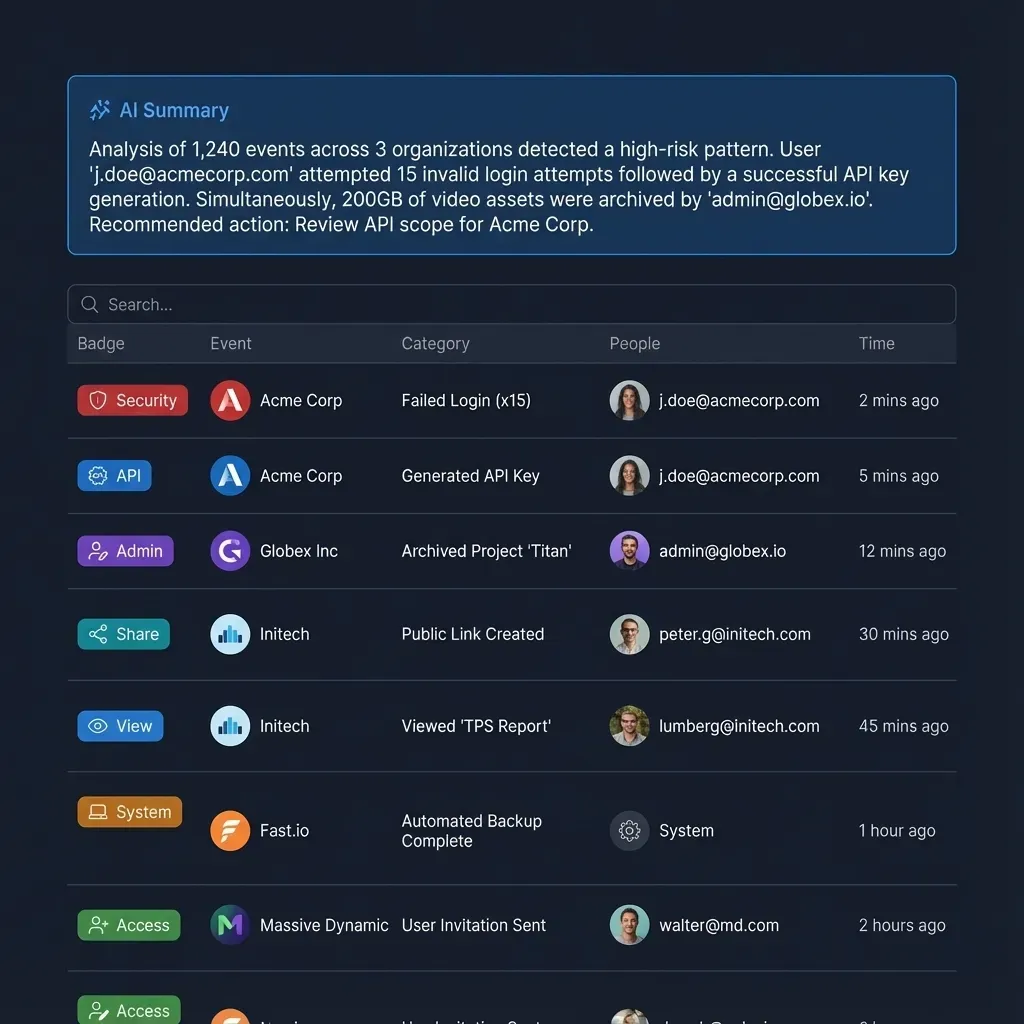
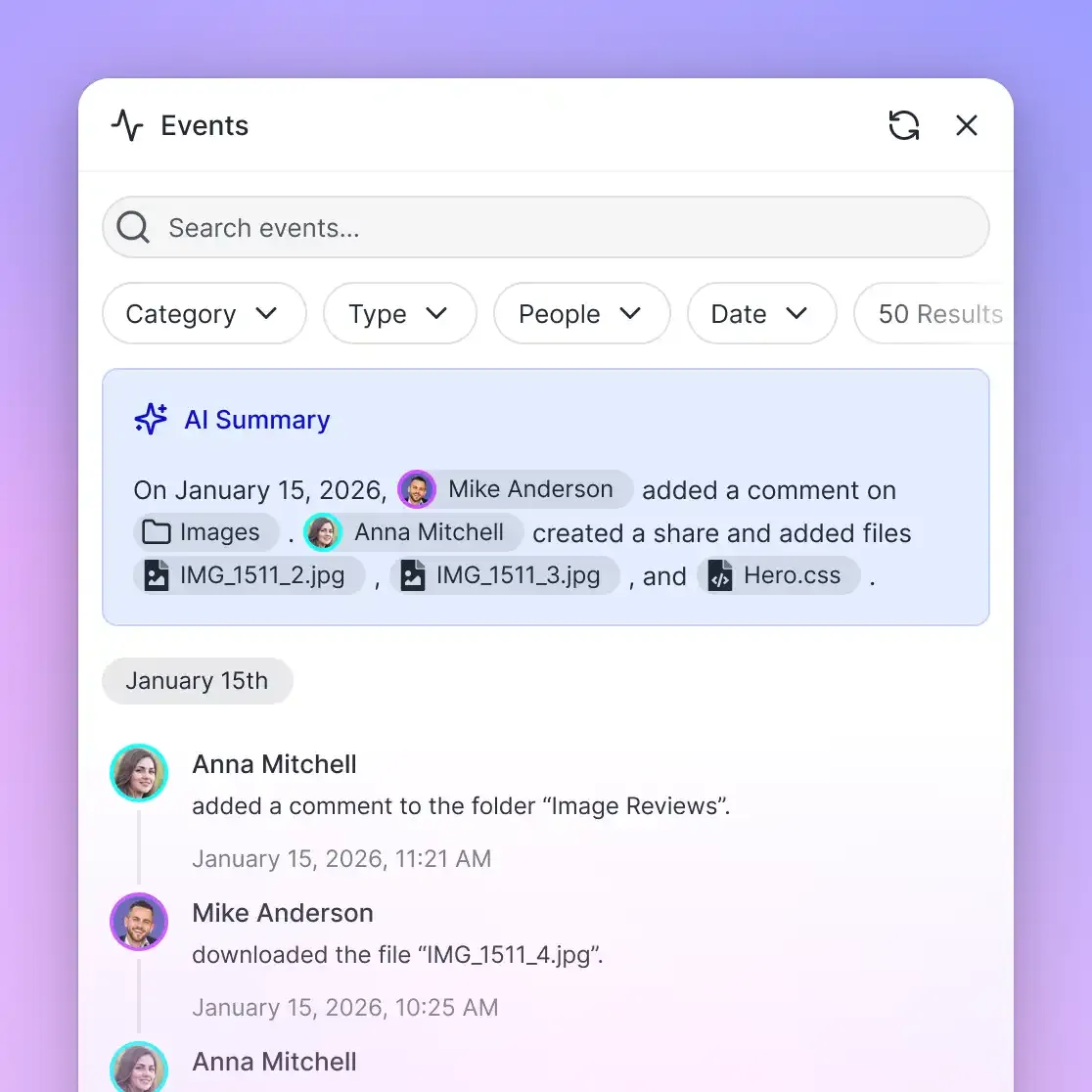
Agents and teams can track actions during ownership transfers using Fastio's activity log. The audit log automatically records token creation, file uploads, and handoff events.
After generating the token and sending the URL, the audit log records the handoff activity. The log notes when the token was created and how the handoff progressed. The client can review this complete history right after claiming the organization. If the client asks questions later, the audit log provides verified context. Tracking these steps builds trust and shows exactly what was done.
Handling the 402 Payment Required Scenario
Agents operating during a trial or reaching plan usage limits may need additional credits. Actions like uploading files or generating AI summaries consume usage credits. When an account requires a plan upgrade, the Fastio API returns a 402 Payment Required error.
In this scenario, the agent can generate an ownership transfer token and alert the client. The client claims the organization and manages billing on a paid plan (Starter, Business, or Enterprise). Since the agent retains administrative access, it resumes tasks right after the billing upgrade. This stops data loss and keeps heavy workflows moving.
Sources
References used to verify factual claims in this guide.
-
Transfer tokens remain valid for exactly 72 hours before expiration.
-
Fastio provides a 14-day Business Trial, card required; see /pricing/.
Frequently Asked Questions
How do I transfer file ownership via API?
You can transfer file ownership by using the `org` action `transfer-token-create` endpoint. This generates a secure claim URL. Send this URL to the human recipient, and once they authenticate, the platform automatically transfers ownership of the entire organization and its files to them.
How do AI agents deliver files to humans?
AI agents deliver files to humans by creating a Fastio organization, uploading the finished assets to a workspace, and then generating an ownership transfer token. This process provides the human with a fully organized file environment rather than a disorganized list of download links.
What happens to the agent's access after the transfer?
After the human claims the organization, the AI agent is automatically demoted from the owner role to an administrator role. This allows the agent to continue uploading files, managing shares, and collaborating on the project without holding the billing responsibility.
How long is the transfer token valid?
The transfer token generated by the Fastio API is valid for 72 hours. If the human client does not claim the organization within this window, the agent will need to call the API to generate a new token.
Can I cancel an ownership transfer before it is claimed?
Yes, you can cancel an ownership transfer before the human recipient claims it. The agent must call the `org` action `transfer-token-delete` endpoint to revoke the pending token immediately, rendering the claim URL invalid.
Do I need a paid plan to use the transfer API?
No, you can use the 14-day Business Trial to evaluate and run the transfer workflow before handing off the organization to a human client who manages billing.
Related Resources

Ready to automate your agent handoffs?
Get a consolidated MCP toolset during the 14-day Business Trial to build intelligent workspaces for your clients.