How to Transfer Ownership of Claude Cowork Files
When Claude or other AI agents generate files, getting those assets securely to human workers can be difficult. Ownership transfer in Claude Cowork is the secure process of handing off generated files and assets from an AI agent to a human worker. Learn the four steps to safely transfer ownership of agent-built workspaces while maintaining permissions and audit trails.

The Challenge of Human Agent Handoff
As AI agents take on more autonomous tasks, they generate lots of output. Most agents store this output in isolated or temporary environments. When an agent finishes a task, humans typically have to download a ZIP file or copy code blocks manually. This breaks the chain of custody and strips away the context of how the file was created.
Agent to human handoff is rarely covered but is an essential enterprise requirement. According to a PagerDuty Agentic AI Survey, 51% of companies are already using AI agents in 2025. This rapid adoption means teams are creating more assets with AI than ever before. Relying on email attachments or temporary Slack links to share these files introduces security risks. It also leaves workers guessing about the final status of a project.
Teams need strict audit logs and verifiable custody chains for every file their agents produce. Without a secure handoff protocol, people lose time hunting for the correct file versions or trying to recreate the agent's original context. The human agent ownership transfer must be secure, transparent, and immediate to keep projects moving smoothly.
Related guides
- How to Transfer Ownership in OpenClaw WorkspacesOwnership transfer in OpenClaw workspaces lets AI agents create Fastio organizations, build file structures, and hand...
- How to Set Up a Devin AI Ownership Transfer WorkflowDevin AI operates in sandboxed cloud virtual machines, but their ephemeral nature means files and contexts disappear...
- Claude Cowork vs Claude Code: Which One Should You Use?Claude Code now accounts for roughly 4% of all public GitHub commits, and Claude Cowork went generally available in...
- Claude Cowork Box Connector: Connecting Team Storage & WorkspacesA Claude Cowork Box connector links Anthropic's collaborative agent workspace to enterprise Box repositories, allowing...
- Claude Cowork Dropbox: Native Connector Setup and Retrieval PerformanceThe Claude Cowork Dropbox connector allows Anthropic Claude to directly browse, search, and ingest files stored in...
- Claude Cowork OneDrive Connector: File Access & BenchmarksConnecting Claude Cowork to Microsoft OneDrive allows AI agents to access enterprise files during collaborative work...
More on this subject: Claude and Claude Code (280 guides)
How Claude Cowork Ownership Transfer Solves Handoff
Ownership transfer in Claude Cowork refers to the secure process of handing off generated files and assets from an AI agent to a human worker. Instead of treating the agent as a temporary assistant, Fastio treats the agent as a co-worker with its own persistent workspace.
The agent uses Model Context Protocol (MCP) tools to create an organization, build out the necessary files, and then formally transfer primary ownership of that organization to a human manager. Because Fastio provides a shared workspace, both the agent and the human operate in the exact same environment. There is no need to export or sync files. The workspace itself is the final deliverable.
This approach changes how teams work with AI. Fastio is not just storage with an AI feature added on top. The workspace is built for AI. When an agent uploads a file, it is automatically indexed for semantic search. The human owner can ask questions about the entire project without reading every document. This ensures that the handoff is not just a transfer of bytes, but a transfer of usable knowledge.
Advanced Claude Project Handoff Scenarios
A single task might involve multiple AI agents collaborating before a human ever sees the results. A research agent gathers data, a writing agent formats it into a report, and a review agent checks the final draft for compliance. These multi-agent systems require a stable environment where they can safely pass files back and forth without overwriting each other's work.
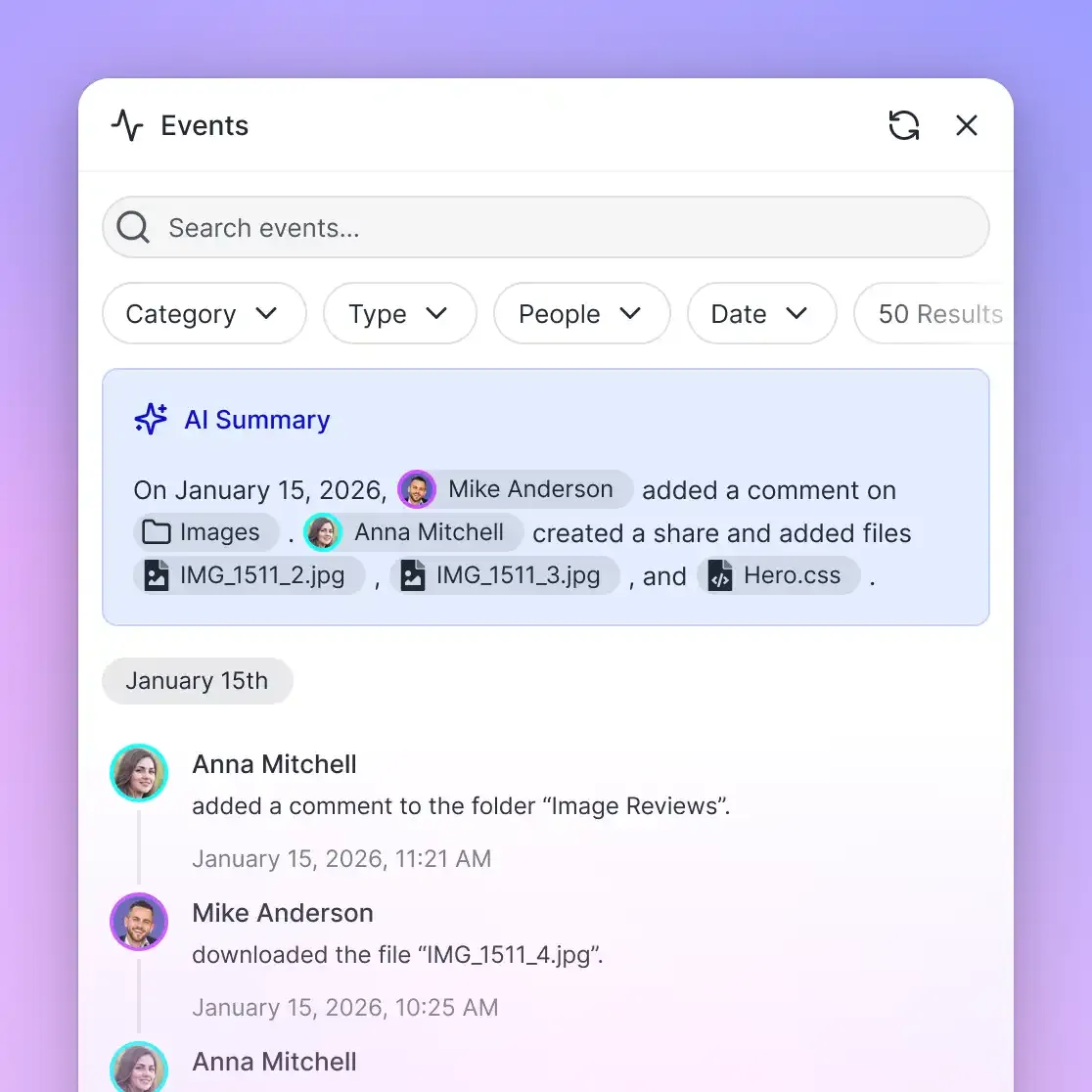
Fastio supports this coordination through advisory file locks, granular permissions, version history, and detailed audit trails. An agent can acquire an advisory file lock before updating shared documents, heartbeat the lease while working, and release it when complete, while other agents that attempt to lock the same file get an HTTP 409 and can wait. Once the final output is ready, any agent in the chain can initiate the handoff to a human.
The agent creating the organization builds the workspaces, populates them, and transfers ownership to the human client. The agent can choose to keep its own admin access so it can continue making updates if the human requests changes later. The human retains ultimate control over the billing and security policies while the agent handles the execution. This balances automation and human oversight.


Give Your AI Agents Persistent Storage
Get persistent storage and a consolidated MCP toolset during the trial to build secure, intelligent workspaces for your AI agents and human teams.
Steps for Secure Agent to Human Ownership Transfer
Setting up a secure transfer process takes only a few API calls or natural language commands from your agent. Follow these four steps to execute a clean handoff.
Step 1: The Agent Creates the Workspace Using the Fastio MCP server, the agent initializes a new organization and a specific workspace for the project. The agent can use descriptive naming conventions to ensure the human worker will easily recognize the folder structure later. This organization prevents confusion down the line.
Step 2: The Agent Generates and Stores Assets The agent populates the workspace with code repositories, data analysis reports, or generated images. You can also have the agent pull files from Google Drive, OneDrive, or Dropbox via URL Import. This happens directly in the cloud with no local input or output required on your machine, saving bandwidth and time.
Step 3: The Agent Invites the Human Collaborator Once the assets are ready, the agent sends an email invitation to the human worker. The human clicks the secure link to join the workspace and verify the contents. The system sends real-time notifications to ensure the human is aware of the pending transfer.
Step 4: Transfer Primary Ownership Finally, the agent uses the organization settings tool to assign the human as the primary owner. The agent confirms the new primary owner's email address, finalizing the claude project handoff. The agent is now a standard admin or member, and the human holds all account controls.
Managing Agent Permissions After Transfer
Once the ownership transfer is complete, the human owner should review the agent's ongoing access levels. Because Fastio uses granular permissions, you can restrict the agent to specific folders or revoke its ability to delete files entirely. This prevents accidental data loss if the agent continues to run background tasks.
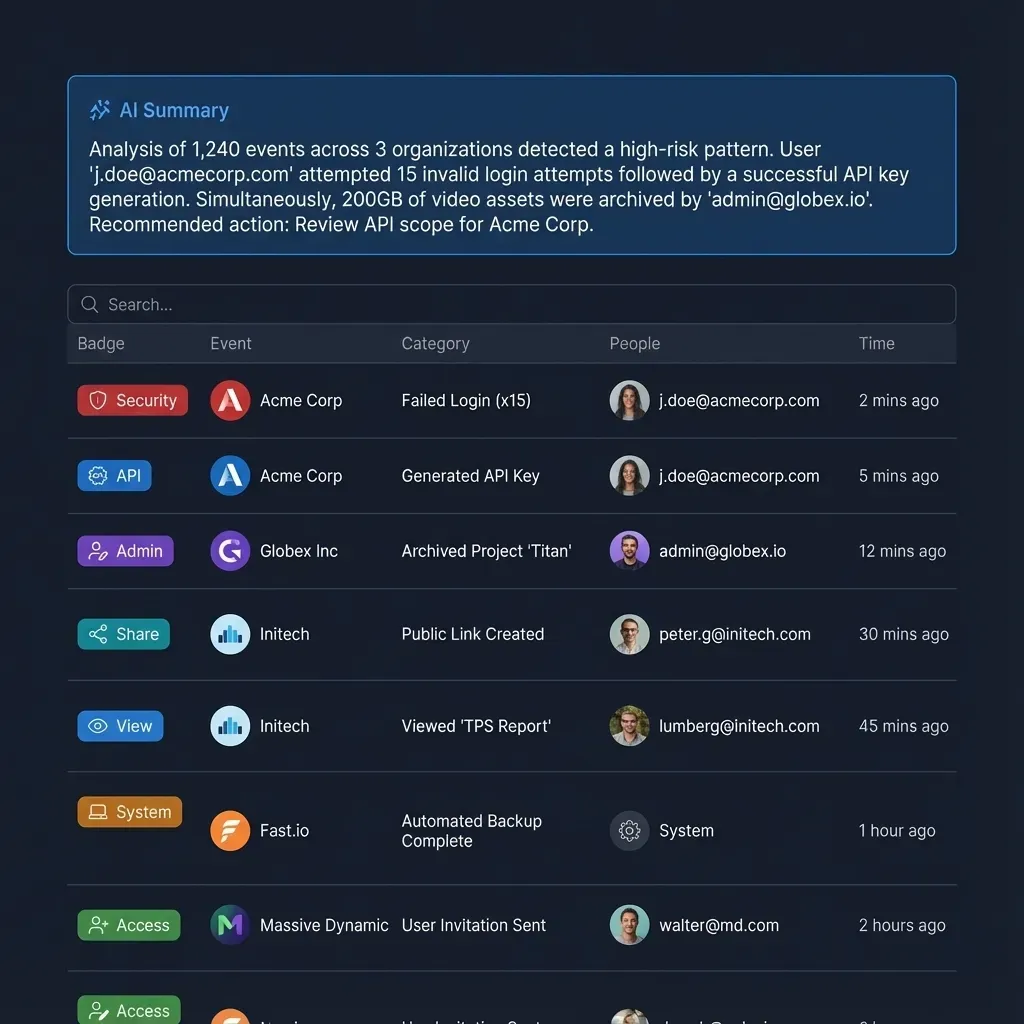
Every action the agent takes during and after the handoff is recorded in the activity tracking system. This audit trail provides a clear record of when the agent created the file and when the human took ownership. If an agent's API key is compromised, you can instantly revoke its access without losing any of the files it generated.
Organization-owned files mean that assets stay with the company even if the specific agent identity is deleted or rotated. You won't lose access to important project data just because an AI service account was decommissioned.
Troubleshooting Common Transfer Issues
Even with a good protocol, you might occasionally encounter issues during a handoff. Understanding how to resolve these problems quickly keeps your AI operations moving.
If the human worker does not accept the invitation promptly, the agent can check the pending invites list via its MCP tools and send a reminder. If the agent hits a rate limit (HTTP 429) while transferring a large batch of files, it should back off until the limit window resets and then retry.
Always verify the transfer was successful by checking the workspace audit trail. The log will show the exact timestamp when the ownership officially changed hands. If the human cannot find a specific file after the transfer, they can toggle Intelligence Mode on the workspace. This activates built-in RAG capabilities, allowing the human to ask the workspace directly where the agent placed the document. The system will respond with direct citations to the exact file location.
Setting Up Your Agent Workspace
Developers can test this workflow using the Fastio Business Trial. This 14-day trial requires a credit card and provides full access to workspaces, permissions, and MCP tooling. It is an ideal environment for prototyping your first autonomous handoff.
By connecting the remote MCP server at https://mcp.fast.io/mcp/tools, Claude gains access to a consolidated MCP toolset via Streamable HTTP. This integration allows the agent to handle workspace creation, file operations, and ownership transfer directly from its execution context.
Agents and humans share the exact same workspaces, tools, and intelligence. Setting up a handoff process makes sure that your AI investments translate into secure, accessible team output.
Sources
References used to verify factual claims in this guide.
-
51% of companies are already using AI agents in 2025
Frequently Asked Questions
How do agents transfer file ownership?
Agents transfer file ownership by using their built-in Model Context Protocol tools to assign a human user as the primary owner of the organization or workspace. The agent initiates the transfer, and the human accepts it to finalize the handoff.
Can Claude transfer files to a human?
Yes, Claude can transfer files to a human by creating a shared workspace in Fastio, uploading the generated assets, and then transferring primary ownership of that space to a human collaborator's email address.
What happens to the agent's permissions after transferring ownership?
After transferring ownership, the agent typically becomes an admin or standard member of the workspace. The new human owner can then adjust the agent's permissions, such as restricting delete access or limiting the agent to specific folders.
How can I test agent ownership transfer on Fastio?
Fastio offers a 14-day Business Trial that gives developers access to workspaces, granular permissions, and remote MCP tooling. The trial requires a credit card. Check the pricing page for current plan details.
Can the agent import files from other cloud storage services before the transfer?
Yes, the agent can use URL Import tools to pull files directly from Google Drive, Box, or Dropbox into the Fastio workspace. This happens entirely in the cloud, requiring no local downloads before the agent hands the final workspace to a human.
Why should I use ownership transfer instead of just sharing a public link?
Sharing a public link creates security risks and breaks the chain of custody. Transferring ownership ensures that the files become official organization assets, complete with granular permissions, audit trails, and secure access controls that protect your data.
Related Resources

Give Your AI Agents Persistent Storage
Get persistent storage and a consolidated MCP toolset during the trial to build secure, intelligent workspaces for your AI agents and human teams.