How to Deploy CrewAI to Production
Deploying CrewAI crews to production moves notebook experiments to reliable systems. Notebooks suit tests, but lack production basics: agents forget state between runs, files vanish, scaling fails. Production requires persistent memory like Redis or Postgres, lasting storage for outputs, multi-agent coordination, monitoring, and LLM cost limits. Fastio offers a 14-day Business Trial with storage and agent tooling for testing this workflow.


From Notebooks to Production
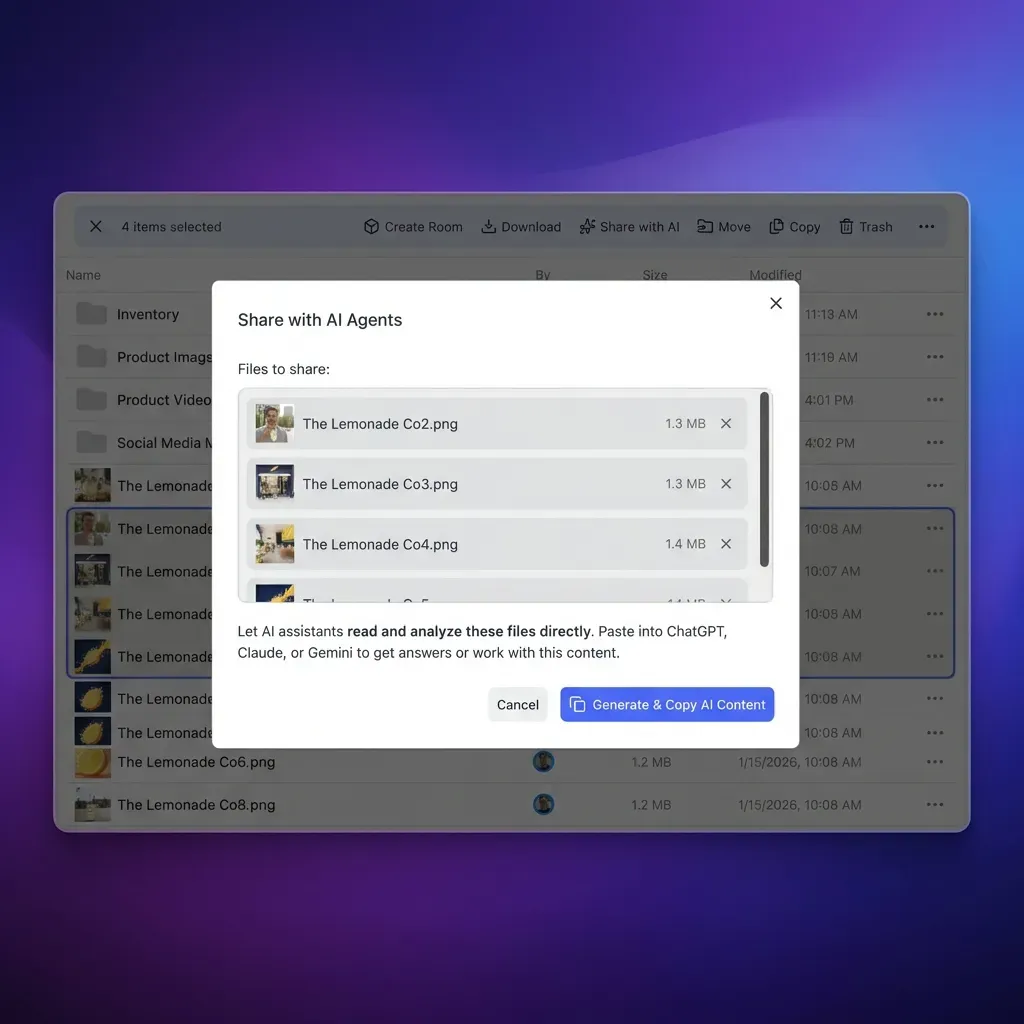
When you shift CrewAI agent crews from notebooks to production, their behavior changes. They need memory that lasts across runs, storage for outputs, and team-shared access. Without these, state resets after each task, limiting crews to one-offs. Production agents tackle ongoing jobs, such as customer support chats or data pipelines. Fastio workspaces support this: agents store files, search via RAG once Intelligence is enabled, and monitor activity feeds. Teams can scale CrewAI this way. Check Fastio Workspaces, Fastio Collaboration, and Fastio AI. Example: A research crew handles daily market data, saves to Fastio. Agents require API keys for MCP.
State and Memory Challenges
CrewAI's Memory class stores memories locally with LanceDB by default; to keep them elsewhere, pass your own storage backend as Memory(storage=...).
from crewai import Crew, Memory
memory = Memory()
crew = Crew(agents=[...], tasks=[...], memory=memory)
Add file storage for reports or datasets.
Related guides
- How to Deploy Hermes Agent in Production With DockerHermes Agent runs as a persistent background service inside Docker, exposing an OpenAI-compatible API on port 8642 and...
- How to Deploy OpenClaw with Docker: A Production GuideDeploy OpenClaw with Docker to make sure your AI agents run the same way in every environment, from your laptop to...
- LangGraph vs CrewAI: Which Multi-Agent Framework to Choose in 2026LangGraph and CrewAI are the two most-searched multi-agent frameworks heading into 2026. This comparison goes beyond...
- Connecting CrewAI Multi-Agent Teams to Box StorageA CrewAI Box connector enables autonomous multi-agent teams to query enterprise records without loading entire...
- How to Connect CrewAI to Dropbox: Multi-Agent Cloud Storage ArchitectureConnecting CrewAI to Dropbox provides autonomous multi-agent systems with direct, indexed access to cloud files,...
- How to Connect CrewAI to Google Drive FilesConnecting CrewAI agents directly to Google Drive often floods prompt context windows and triggers API rate limits...
More on this subject: Multi-Agent Systems (62 guides)
CrewAI Deployment Checklist
Follow this step-by-step checklist for CrewAI production.
- Install:
pip install 'crewai[tools]'. Pin the CrewAI version in requirements.txt, using a release that exports theMemoryclass used in the example above. Use UV for CI/CD speed. - Services: Redis for task queues, Postgres for application state, LLM like OpenAI/Anthropic, Serper for search. Try Upstash or Supabase managed options.
- Dockerfile: Add health checks.
FROM python:3.11-slim
WORKDIR /app
COPY requirements.txt .
RUN pip install -r requirements.txt
COPY . .
CMD ["uvicorn", "main:app", "--host", "0.0.0.0", "--port", "8000"]
- docker-compose.yml:
services:
  app:
    build: .
    ports: ["8000:8000"]
    depends_on: [redis, postgres]
  redis:
    image: redis:7-alpine
  postgres:
    image: postgres:16
    environment:
      POSTGRES_DB: crewai
      POSTGRES_PASSWORD: ${POSTGRES_PASSWORD}
- Env Vars: LLM keys, DB URLs, memory settings.
- Observability: LangSmith callbacks.
- Local Test:
docker compose up. - Deploy: Render, Railway, Fly.io.
- CI/CD: GitHub Actions with ruff lint, pytest, bandit scans.
- Health: /health endpoint for agent/DB status.
Scalable Deployment Options for CrewAI
Single-container prototypes work fine, but production needs auto-scaling, managed DBs, and reliability. Compare options:
Railway suits most CrewAI apps with built-in scaling, Postgres, Redis. Add via railway add.
For Kubernetes, use this Deployment + HPA:
apiVersion: apps/v1
kind: Deployment
spec:
  replicas: 3
  template:
    spec:
      containers:
      - name: crewai
        resources:
          requests:
            cpu: "100m"
            memory: "256Mi"
        envFrom:
          - secretRef:
              name: crewai-secrets
---
apiVersion: autoscaling/v2
kind: HorizontalPodAutoscaler
spec:
  scaleTargetRef:
    kind: Deployment
    name: crewai
  metrics:
  - type: Resource
    resource:
      name: cpu
      target:
        type: Utilization
        averageUtilization: 70
Serverless: Lambda for <15min tasks, SQS queues, DynamoDB state.
Celery + Redis for task queues: celery -A tasks worker -l info -c 4.
LLM handling: tenacity backoff, circuit breakers.
Fastio takes file I/O load off agents via MCP uploads.
Task Queues and Concurrency
CrewAI processes tasks sequentially by default. Add Celery for parallelism, using Redis as broker/backend. Scale with more workers.


Deploy CrewAI Agents Today
Persistent storage, a consolidated MCP toolset, and RAG search for CrewAI agents in production. Built for agentic deployment workflows.
Persistent Storage with Fastio for CrewAI
CrewAI lacks native file persistence. Fastio workspaces handle it. Agents create orgs/workspaces via API and upload via MCP tools over HTTP/SSE, no local storage needed. Once Intelligence is enabled for the workspace, it indexes files for RAG. Agents ask "Summarize last report" and get cited answers. Fastio offers a 14-day Business Trial requiring a credit card, with plans starting at Starter ($9.99/mo). Ownership transfer passes control to humans, agents keep admin. Example: Agent sets up client data room, transfers to PM. Human accepts by email.
Monitoring and Orchestration
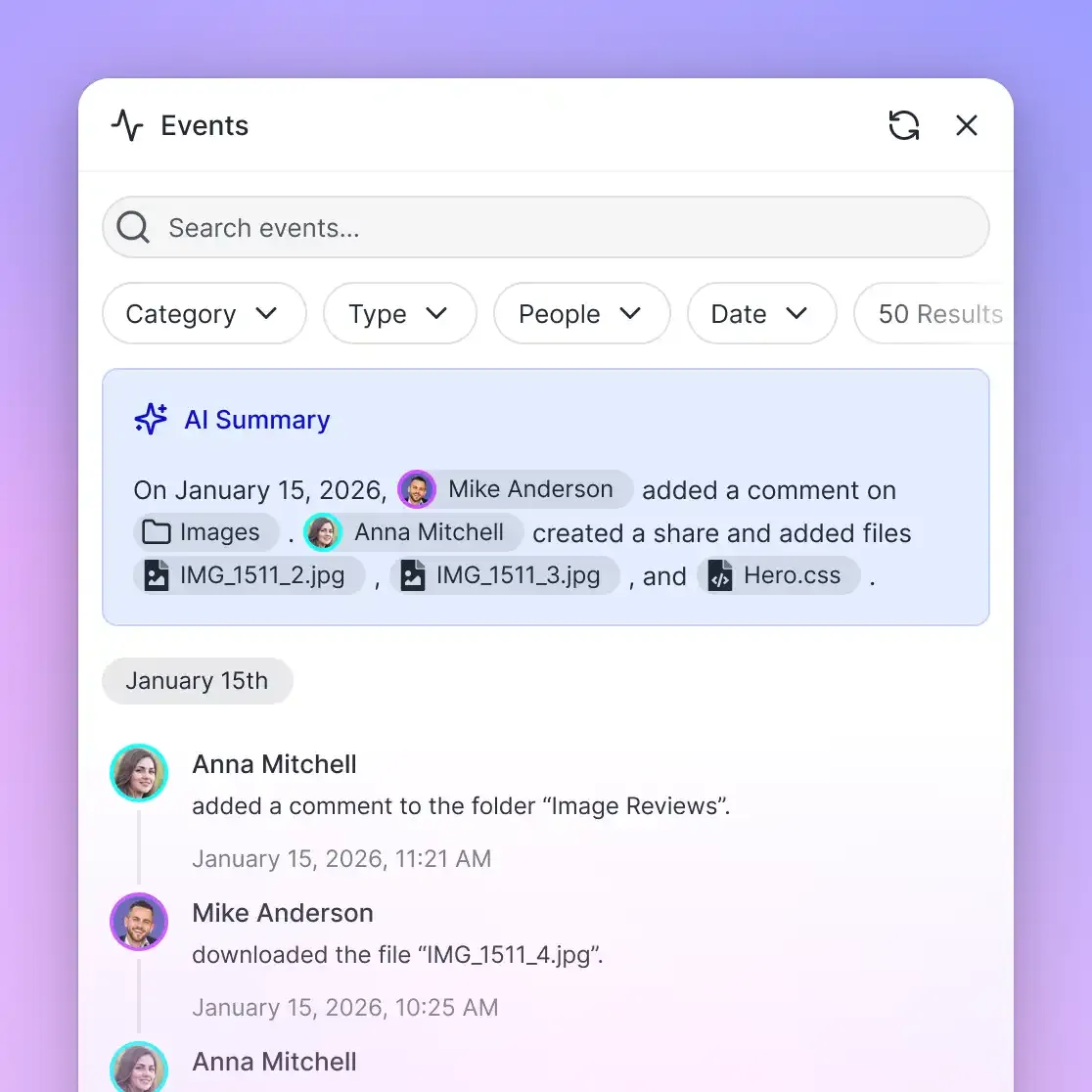
Fastio logs track uploads, views, and changes. The WebSocket events feed alerts on changes and triggers crews. Workflow: CSV upload -> event -> research crew -> report back. Pair with LangSmith for traces. Advisory file locks and version history coordinate multi-agent writes safely.
Reactive Workflows
Stream real-time events. The WebSocket events feed streams file IDs and updates. Crews process tasks and save results back to the workspace.
Troubleshooting Common Issues
LLM limits? Tenacity retries + Celery queues. File conflicts? Acquire an advisory file lock before writes, or rely on version history. Scaling hangs? DB pool exhaustion, add pgbouncer. Start with logs: crewai --verbose, dashboards, LangSmith.
Sources
References used to verify factual claims in this guide.
-
CrewAI memory uses LanceDB by default and accepts a custom storage backend
Frequently Asked Questions
How to deploy CrewAI to production?
Dockerize, add Redis/Postgres for state, deploy to Railway. Use Fastio for files. See checklist.
CrewAI scaling best practices?
Celery queues, worker scaling, Redis state, Fastio files. Limit LLM calls.
What storage for CrewAI agents?
Fastio workspaces offer persistent storage, RAG indexing once enabled, and a consolidated MCP toolset.
Does CrewAI support stateful memory?
Yes, through its `Memory` class, which stores to LanceDB by default and accepts a custom storage backend.
Multi-agent orchestration in CrewAI?
Use hierarchical processes. Coordinate via Fastio workspaces and real-time event feeds.
How to integrate Fastio with CrewAI?
MCP tools for upload/search. Create workspaces, upload via HTTP/SSE: `mcp.upload_file(file_path, workspace_id)`.
Cost of running CrewAI in production?
Mostly LLM tokens; cache/batch. Fastio offers a 14-day Business Trial with storage and agent tooling for testing this workflow.
Kubernetes deployment for CrewAI?
Deployment + HPA. External DBs. Fastio for files.
Related Resources

Deploy CrewAI Agents Today
Persistent storage, a consolidated MCP toolset, and RAG search for CrewAI agents in production. Built for agentic deployment workflows.