How to Deploy Fastio MCP Server on Railway: Developer Guide
Deploying an agent service on Railway allows developers to host cloud-based AI systems that connect directly to Fastio's remote MCP server. Moving to a platform like Railway gives agents an accessible cloud endpoint while Fastio manages file workspaces and tool execution. This guide covers setup, environment variables, and agent integration.


What is a Fastio MCP Server Deployment?
The Model Context Protocol enables AI agents to perform file operations across cloud workspaces. Fastio provides a managed remote MCP server hosted at https://mcp.fast.io/mcp/tools over Streamable HTTP. Agent services connect directly with that URL and an API key sent as an Authorization: Bearer header; nobody installs, runs, deploys, or containerizes the Fastio MCP server itself.
When developers deploy on Railway, they host an AI agent runner, proxy, or orchestration service that connects to Fastio's remote MCP server. This provides cloud-hosted agents with access to a consolidated MCP toolset for file management, search, and metadata extraction.
Fastio acts as an intelligent workspace rather than basic storage, giving agents access to built-in Retrieval-Augmented Generation once Intelligence Mode is enabled. The system provides advisory file locks, automatic file version history, and granular permissions for safe multi-agent workflows. Developers can test integrations using the 14-day Business Trial (credit card required), with plans starting at Starter ($9.99/mo).
Helpful references: Fastio Workspaces, Fastio Collaboration, and Fastio AI.
Related guides
- How to Deploy Fastio MCP Server on AWS LambdaConnecting serverless agents on AWS Lambda to the Fastio remote MCP server gives your AI workflows persistent file...
- How to Deploy the Fastio MCP Server on Fly.ioDeploying the Fastio MCP server on Fly.io gives your AI agents faster access to their file workspaces. Moving your...
- How to Deploy Fastio MCP Server on VercelDeploying the Fastio MCP server on Vercel enables scalable, serverless access to your agent's file tools without...
- How to Connect Azure Container Apps to the Fastio MCP ServerConnecting agent runtimes on Azure Container Apps to the Fastio remote MCP server provides a secure, serverless...
- How to Run AI Agents on Google Cloud Run with FastioGoogle Cloud Run is a good home for an agent that runs on demand and then gets out of the way. This guide covers the...
- How to Deploy a Fastio MCP Server on RenderDeploying a Fastio MCP server on Render requires configuring environment variables and web services to expose tools....
More on this subject: MCP and Model Context Protocol (244 guides)
Why Host Fastio MCP on Railway?
Railway offers a straightforward path from code to production for developers building cloud AI infrastructure. While Fastio hosts the MCP server remotely, Railway is a convenient platform for hosting custom agent orchestrators or API gateways.
Core Advantages:
- Instant scaling: Railway scales your agent services dynamically based on incoming traffic.
- Automated builds: Pushing updates to your GitHub repository triggers automatic rebuilds of your service container.
- Secure variable management: Railway provides a secure vault for your Fastio API keys, preventing accidental exposure in logs.
- Built-in observability: Instant access to deployment logs makes it easy to monitor agent tool calls and debug connectivity in real time.
Known Limitations:
- Cold starts: If you use scale-to-zero features, the first agent request may experience slight latency while the container starts.
- Port constraints: Applications must bind to dynamically assigned ports to avoid deployment errors.
Understanding the Production Architecture
Understanding the interaction between components is essential for a reliable architecture:
In local development, agents often spawn subprocesses locally. In a cloud deployment, your agent runner hosted on Railway acts as an MCP client. It opens a connection to Fastio's remote endpoint at https://mcp.fast.io/mcp/tools using Streamable HTTP.
The agent authenticates using your scoped Fastio API key. Because Fastio manages storage and RAG capabilities natively, your Railway service does not need to handle vector indexing or database synchronization. It simply sends tool requests to Fastio and consumes the structured responses.
Preparing the Repository for Railway
The initial step is preparing your agent service repository for Railway. Railway can use Nixpacks to detect runtimes automatically, but providing a Dockerfile ensures deterministic builds.
Create a repository for your agent service and define your dependencies, including @modelcontextprotocol/sdk to communicate with Fastio.
Configuring the Railway Project
With your repository on GitHub, configure the Railway project. Log in to your Railway dashboard, create a new project from your GitHub repo, and configure deployment triggers for automated builds.
Required Environment Variables for Fastio Authentication
Secure variable management is critical. In your Railway project's variable settings panel, configure:
- FASTIO_API_KEY: Your scoped API token generated from the Fastio developer console.
- FASTIO_MCP_URL: Set to
https://mcp.fast.io/mcp/tools(Streamable HTTP). Your agent sendsFASTIO_API_KEYon this connection as anAuthorization: Bearerheader. - PORT: The dynamic port assigned by Railway for any web interfaces or agent health checks.
Managing Ports and Server Health
Railway verifies deployment health by pinging your container. Ensure your service binds to 0.0.0.0 and listens on process.env.PORT.
Adding an HTTP GET endpoint at /health returning a 200 OK status allows Railway load balancers to confirm responsiveness before routing traffic.
Verifying Agent Connectivity
Once your Railway deployment is active, verify that your agent can interact with Fastio.
Instruct your agent to list available tools. The agent connects to https://mcp.fast.io/mcp/tools with your API key and discovers the consolidated toolset. Run a quick test: create a workspace and upload a test document, then confirm in the Fastio dashboard that the file appears with version tracking.
Common Deployment Challenges and Solutions
Be prepared for these common operational patterns:
Connection Timeouts: During long RAG queries, load balancers may drop idle connections. Make sure your MCP client reconnects cleanly when a connection drops.
Memory Limits: Streaming files directly between clients and Fastio prevents out-of-memory errors on constrained container tiers.
Scaling and Monitoring Your MCP Server
As agent workloads expand, scale your Railway deployment horizontally by adding container replicas.
Fastio handles high concurrency natively: agents can acquire advisory file locks before writing, while automatic file version history and a detailed activity log help ensure that concurrent writes never corrupt data.
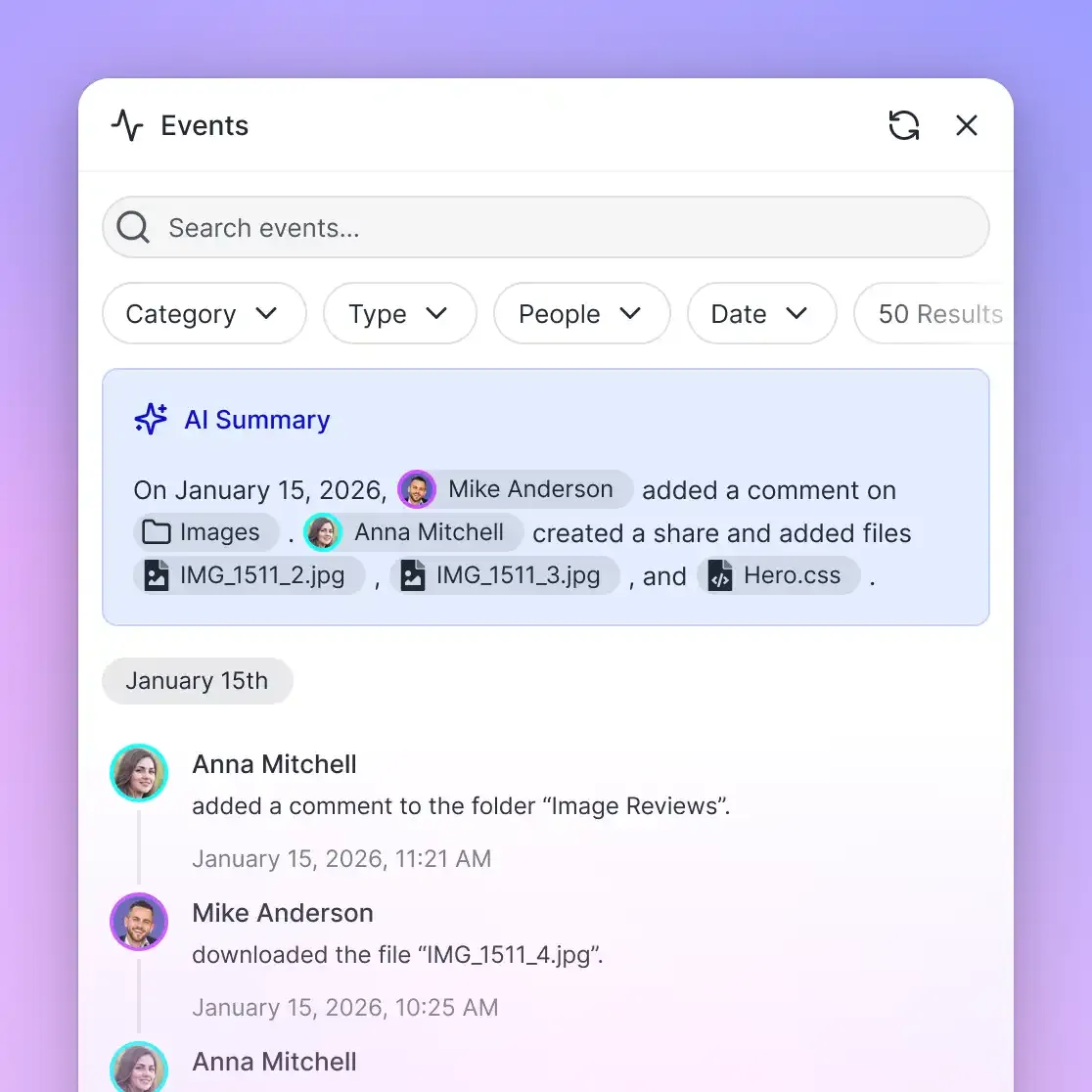
Combine Railway metrics (CPU, memory, request latency) with Fastio's workspace audit log to maintain full visibility over agent activity and file modifications.
Sources
References used to verify factual claims in this guide.
-
Fastio plans start at Starter $9.99/mo with a 14-day Business Trial requiring a credit card.
-
Fastio remote MCP server connects via Streamable HTTP.
Frequently Asked Questions
How do I deploy an MCP server to Railway?
Deploy an agent service to Railway by connecting a GitHub repository containing your agent runner, injecting your Fastio API key, and configuring it to connect to Fastio's remote MCP server.
What are the environment variables for Fastio MCP?
Configure FASTIO_API_KEY with your scoped token and FASTIO_MCP_URL with https://mcp.fast.io/mcp/tools, along with the dynamic PORT provided by Railway.
Why does my Railway MCP deployment fail health checks?
Health check failures typically happen when an application binds to localhost instead of 0.0.0.0 or fails to use the dynamic PORT variable assigned by Railway.
Can multiple agents connect to the same Railway-hosted MCP server?
Yes. Multiple agent instances can coordinate safely. Agents can acquire advisory file locks before updating files, while Fastio preserves all writes in version history and records actions in the audit log.
Do I need a custom Dockerfile for Railway?
While Railway supports automatic Nixpacks builds, a custom Dockerfile provides deterministic dependencies and control over runtime environments.
Related Resources

Give Your AI Agents Persistent Storage
Connect your cloud-hosted AI agents on Railway to Fastio workspaces using the remote MCP server. Start your 14-day Business Trial today.