How to Docker Multi Agent Setup
Docker multi agent setup runs multiple AI agents in isolated containers that communicate for complex tasks. This approach provides scalability and reproducibility for systems like CrewAI or AutoGen. Most tutorials skip persistent storage for agent state, leading to lost progress on restarts. This guide fixes that with volumes and cloud integration using Fastio's remote MCP tools for shared workspace persistence, advisory file locks, version history, and RAG. Follow these steps to build a production-ready multi-agent system.


What Is Docker Multi Agent Setup?
Docker multi agent setup packages each AI agent in its own container. Agents communicate via networks or shared volumes to handle tasks like research, coding, or data processing.
Containers isolate dependencies, preventing conflicts between Python libraries or models. According to CNCF surveys, over 80% of organizations use containers for production workloads.
Benefits include easy scaling, consistent environments across dev and prod, and quick rollbacks. For AI agents, this means researcher, writer, and validator agents run independently but coordinate smoothly.
Docker Compose simplifies orchestration with a single YAML file. Docker Swarm or Kubernetes handles larger scales.
Helpful references: Fastio Workspaces, Fastio Collaboration, and Fastio AI.
Why Use Containers for AI Agents?
AI frameworks evolve fast. One agent might need LangChain multiple.multiple, another CrewAI multiple.2. Containers lock versions.
Restart a container, and the agent picks up where it left off with persistent volumes. Without them, state like conversation history vanishes.
Teams deploy the same docker-compose.yml to laptops or servers. No "works on my machine" issues.
Related guides
- How to Coordinate AI Agents with Multi-Agent Orchestration PatternsMulti-agent orchestration patterns define how AI agents work together to complete tasks. This guide covers the four...
- 6 Best Debugging Tools for Multi-Agent Systems in 2026Multi-agent systems fail in ways that single-agent setups never do.
- How to Build a Multi-Agent Audio Production WorkflowMulti-agent audio workflows chain AI agents for stem generation, mixing, EQ, effects, and mastering. Fastio workspaces...
- LangGraph vs CrewAI: Which Multi-Agent Framework to Choose in 2026LangGraph and CrewAI are the two most-searched multi-agent frameworks heading into 2026. This comparison goes beyond...
- Connecting CrewAI Multi-Agent Teams to Box StorageA CrewAI Box connector enables autonomous multi-agent teams to query enterprise records without loading entire...
- How to Connect CrewAI to Dropbox: Multi-Agent Cloud Storage ArchitectureConnecting CrewAI to Dropbox provides autonomous multi-agent systems with direct, indexed access to cloud files,...
More on this subject: Multi-Agent Systems (62 guides)
What to check before scaling docker multi agent setup
Install Docker Desktop or Docker Engine. Verify with docker --version (multiple.multiple+ recommended) and docker compose version.
Basic Python knowledge helps for agent code. Familiarity with YAML and environment variables.
Create a project directory: mkdir multi-agent-docker && cd multi-agent-docker.
No cloud account needed for basics, but Fastio Business Trial adds persistence later.
Docker Compose YAML Snippet for Multi-Agent
Start with this basic docker-compose.yaml for three agents: researcher, summarizer, validator.
version: '3.8'
services:
  researcher:
    build: ./researcher
    environment:
      - OPENAI_API_KEY=${OPENAI_API_KEY}
    volumes:
      - shared-data:/app/data
    networks:
      - agent-net

summarizer:
    build: ./summarizer
    depends_on:
      - researcher
    volumes:
      - shared-data:/app/data
    networks:
      - agent-net

validator:
    build: ./validator
    volumes:
      - shared-data:/app/data
    networks:
      - agent-net

volumes:
  shared-data:

networks:
  agent-net:
Each service builds from a Dockerfile in its folder. Agents read/write to shared-data volume for state.
Run docker compose up --build. Agents communicate over agent-net.
Persistent Storage for Agent State
Agent state includes tool outputs, memory, embeddings. Local volumes work for dev.
Add named volumes in yaml for persistence across restarts.
For production, connect cloud storage. Fastio provides a remote MCP server for agents to access shared files, using advisory file locks and automatic version history to coordinate concurrent writes safely.
Example Dockerfile for researcher agent:
FROM python:3.11-slim
WORKDIR /app
COPY requirements.txt .
RUN pip install -r requirements.txt
COPY . .
CMD ["python", "researcher.py"]
researcher.py uses shared-data:/app/data for JSON state files.
This solves the common gap where tutorials ignore state loss on container restarts.


Persistent Storage for Multi-Agent Docker Setups?
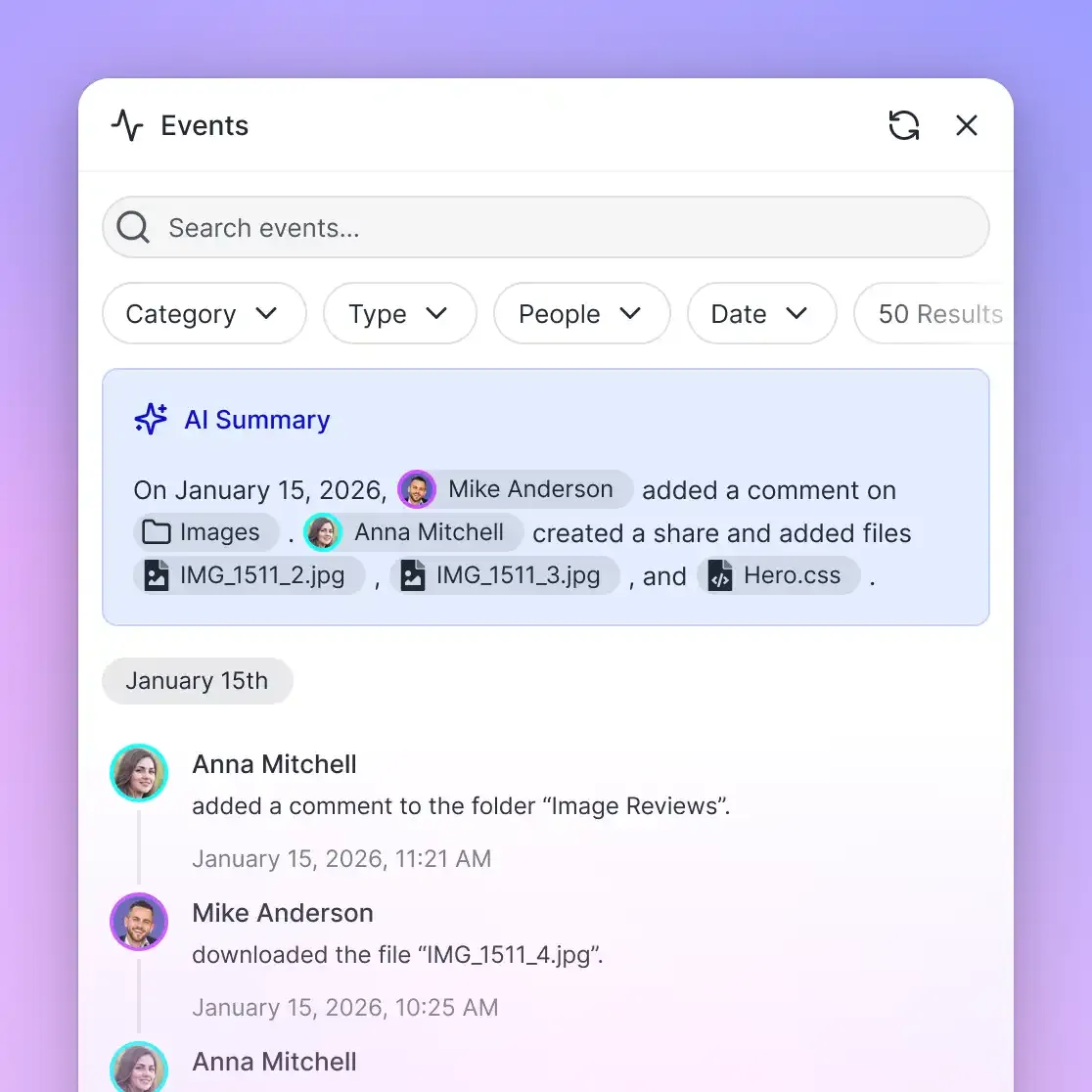
Fastio offers persistent cloud workspaces, a consolidated MCP toolset, advisory file locks, version history, and RAG once Intelligence is enabled for the workspace.
Integrate Fastio for Stateful Agents
Pure local volumes limit scaling. Fastio workspaces give agents persistent cloud storage.
Fastio provides a remote MCP server at https://mcp.fast.io/mcp/tools (Streamable HTTP) with a consolidated MCP toolset; agent containers send an API key as an Authorization: Bearer header. Fastio supports advisory file locks (via the storage_manage tool's lock-acquire action) so agents coordinate before writing, while automatic version history and a detailed activity log ensure that concurrent writes land safely without data loss.
Connect agent containers directly to the remote MCP server using environment variables:
environment:
  - FASTIO_MCP_URL=https://mcp.fast.io/mcp/tools
  - FASTIO_API_KEY=${FASTIO_API_KEY}
Ownership transfer lets agents build workspaces and hand them off to humans with a claim link.
Activity polling and the WebSocket events feed notify agents of file changes in real time.
Scale with Docker Swarm
For 10+ agents, init Swarm: docker swarm init.
Deploy stack: docker stack deploy -c docker-compose.yml multiagent.
Swarm replicates services across nodes. Use overlay networks for inter-agent comms.
Monitor with docker service ls and docker service logs.
Troubleshooting
Container exits? Check logs: docker compose logs researcher.
Network issues? Verify services on same network.
Volume full? Prune: docker volume prune.
Agent memory OOM? Set limits: deploy.resources.limits.memory: 2G.
Sources
References used to verify factual claims in this guide.
-
Over 80% of organizations use containers
Frequently Asked Questions
Docker multi-agent setup?
Use Docker Compose with separate services per agent, shared volumes, and networks. See yaml example above for CrewAI-style orchestration.
Best Docker for AI agents?
Docker Compose for dev, Swarm for prod scaling. Integrate MCP-compatible storage like Fastio for persistence beyond local volumes.
How to persist agent memory in Docker?
Mount named volumes to /app/data. For cloud, connect agents to the Fastio remote MCP server for persistent workspace storage, advisory file locks, version history, and RAG once Intelligence is enabled.
Docker Compose vs Swarm for agents?
Compose for local/single host. Swarm for multi-node scaling and high availability.
Can OpenClaw agents use Docker?
Yes, containerize OpenClaw with docker-compose and connect it to Fastio's remote MCP endpoint for cloud file management.
Related Resources

Persistent Storage for Multi-Agent Docker Setups?
Fastio offers persistent cloud workspaces, a consolidated MCP toolset, advisory file locks, version history, and RAG once Intelligence is enabled for the workspace.