Hosted MCP Services: Cloud Infrastructure for Agents
Hosted MCP services keep AI agents running 24/7 without tying them to your laptop. Cloud-hosted Model Context Protocol (MCP) servers stay online even when your computer sleeps, giving agents continuous access to files, tools, and memory. This guide compares self-hosting methods with managed solutions like Fastio to help you choose the right infrastructure for your agent workforce.


What Is a Hosted MCP Server?
A hosted MCP server is a Model Context Protocol implementation deployed on cloud infrastructure rather than a local machine. It exposes tools, resources, and prompts to AI agents (like Claude, OpenAI, or local LLMs) over a secure network connection, typically using Server-Sent Events (SSE).
The Problem with Local MCP
Most developers start by running MCP servers locally using npx or docker. While this works for testing, it creates a "laptop leash." If your computer sleeps, loses internet connection, or shuts down, your AI agent loses its capabilities. Local servers also isolate data; you cannot easily share the context or state of a local agent with a teammate. Hosted MCP solves this by moving the execution environment to a server that is:
- Always On: Available 24/7 for scheduled tasks or autonomous workflows.
- Addressable: Accessible via a public URL (e.g.,
/storage-for-agents/) rather thanlocalhost. - Collaborative: Multiple agents or human users can interact with the same tools and data state.
Helpful references: Fastio Workspaces, Fastio Collaboration, and Fastio AI.

Related guides
- Best MCP Servers for Cloud Infrastructure in 2026MCP servers for cloud infrastructure let AI agents provision resources, query services, and manage deployments across...
- Remote Filesystem MCP Server: Cloud File Access for AI AgentsA remote filesystem MCP server exposes file read, write, and search tools over network transports such as Streamable...
- Roo Code MCP Setup: Connecting Coding Agents to Cloud WorkspacesRoo Code MCP connects the Roo Code autonomous coding extension in VS Code to local tools and remote Model Context...
- Top 7 Open Source MCP Servers for AI Agents in 2026Open source MCP servers give AI agents direct access to files, databases, and APIs without black-box proprietary...
- Best MCP Clients for Developers: 2026 GuideMCP clients connect to MCP servers to add external tools and data to AI assistants. This guide compares 9 clients for...
- Best MCP Servers for File Storage: Top 8 Tools for 2026MCP (Model Context Protocol) servers for file storage give AI agents persistent, structured access to cloud storage...
More on this subject: MCP and Model Context Protocol (244 guides)
Why Agents Need Cloud Infrastructure
AI agents are moving beyond chat bots. When they run autonomously, they need persistent environments instead of temporary sessions.
Persistence and Memory
Autonomous agents need "long-term memory" to work well. A hosted MCP server maintains state across sessions. For example, if an agent tracks a project's file changes, that history needs to live in a database or durable storage, not in a temporary terminal session.
Multi-Agent Collaboration
Complex workflows often require multiple agents working together: one for research, one for coding, and one for review. Hosted MCP infrastructure lets these agents share a common file system or database. Fastio provides advisory file locks so an agent can acquire a lock before writing, heartbeat it while working, and release it when done, with version history preserving every change. This gives teams coordination signals they cannot get from isolated local servers.
Security and Access Control
Exposing your local file system to an AI agent carries risks. Hosted MCPs provide a sandbox. You grant the agent access to a specific cloud workspace, not your entire hard drive. This isolation protects you if an agent hallucinates and tries to delete system files or access your personal photos.
Hosting Options Compared: VPS vs. Managed Services
When moving your MCP server to the cloud, you have two primary paths: self-hosting on a Virtual Private Server (VPS) or using a managed MCP platform.
Option 1: Self-Hosted (VPS/Docker)
You can deploy an MCP server to AWS EC2, DigitalOcean, or a platform like Railway.
- Pros: Full control over the environment and code. You can install custom dependencies.
- Cons: Requires DevOps knowledge. You must manage SSL certificates, authentication, updates, and uptime monitoring yourself.
- Cost: $4-$20/month per server.
Option 2: Managed MCP Platforms
Platforms like Fastio provide "Serverless MCP" where the infrastructure is handled for you.
- Pros: Zero setup. Authentication, security, and updates are managed automatically. Often includes built-in tools (file management, search).
- Cons: Less flexibility for running arbitrary custom code (though some offer serverless function support).
- Cost: usage-based plans with free trials available, scaling with usage.
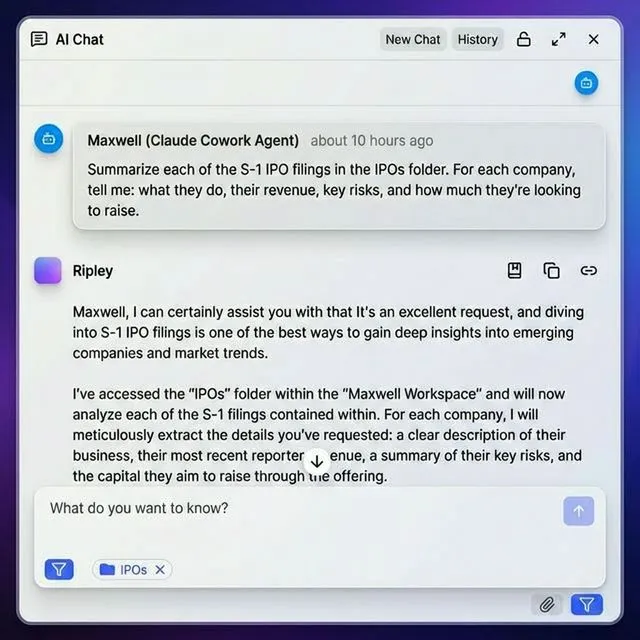
Fastio: The Default Hosted MCP for Files
Fastio offers a specialized managed MCP service designed specifically for file operations and storage. Instead of setting up a server to read and write files, you can connect your agent directly to Fastio's global cloud.
Consolidated MCP Toolset
The Fastio MCP server provides a consolidated MCP toolset out of the box. These cover the full spectrum of file management:
- File Operations: Read, write, move, copy, and delete files.
- Search: Semantic search (RAG) over documents without setting up a vector database.
- Sharing: Create public links or secure, password-protected shares for humans.
- Organization: Create workspaces, managing permissions, and organizing folder structures.
Intelligence Mode (Built-in RAG)
One of the biggest challenges in hosting an MCP server is managing context window limits. You cannot feed a 500-page PDF into every prompt. Once Intelligence is enabled for the workspace, Fastio automatically indexes files. Your agent can then use the search tools to retrieve only the relevant snippets, giving it huge context without massive token costs.
Persistent Storage for Agents
Fastio provides persistent storage that survives agent restarts. If an agent writes a memory.json file or a code artifact to its Fastio workspace, that file is safely stored in the cloud, replicated globally, and available for the next session or for a human to review.


Give Your Agents a Cloud Home for hosted mcp
Stop running critical agent infrastructure on your laptop. Get persistent, always-on storage for your AI agents with Fastio.
How to Connect Your Agent to Fastio
Connecting an AI agent to Fastio's hosted MCP is straightforward.
Step 1: Configure Your Client
For setup steps across supported clients, see the Fastio documentation. If you are using Cline, add the Fastio remote MCP server configuration to cline_mcp_settings.json:
{
  "mcpServers": {
    "fastio": {
      "type": "streamableHttp",
      "url": "https://mcp.fast.io/mcp/code"
    }
  }
}
Step 2: Sign In to Fastio Sign in to Fastio with OAuth in the browser window that opens. On the Review Permissions screen, select Read Only or Read & Write and choose which organizations and workspaces the connection can reach.
Step 3: Start Using It Once connected, your agent can immediately see and manipulate files in your Fastio workspaces. You can ask it to "Create a summary of the Q3 reports in the Finance folder" or "Upload this code snippet to the project backup," and it will run those actions on the hosted infrastructure.
Security and Compliance for Hosted Agents
When using a hosted MCP, security is paramount. You are effectively giving an AI entity keys to your digital warehouse.
Granular Permissions
Fastio allows you to scope access. You can create a specific workspace for an agent (e.g., "Agent Sandbox") and restrict its API key to only that workspace. This follows the principle of least privilege. If the agent is compromised or hallucinates, it cannot touch your business data in other workspaces.
Audit Logging
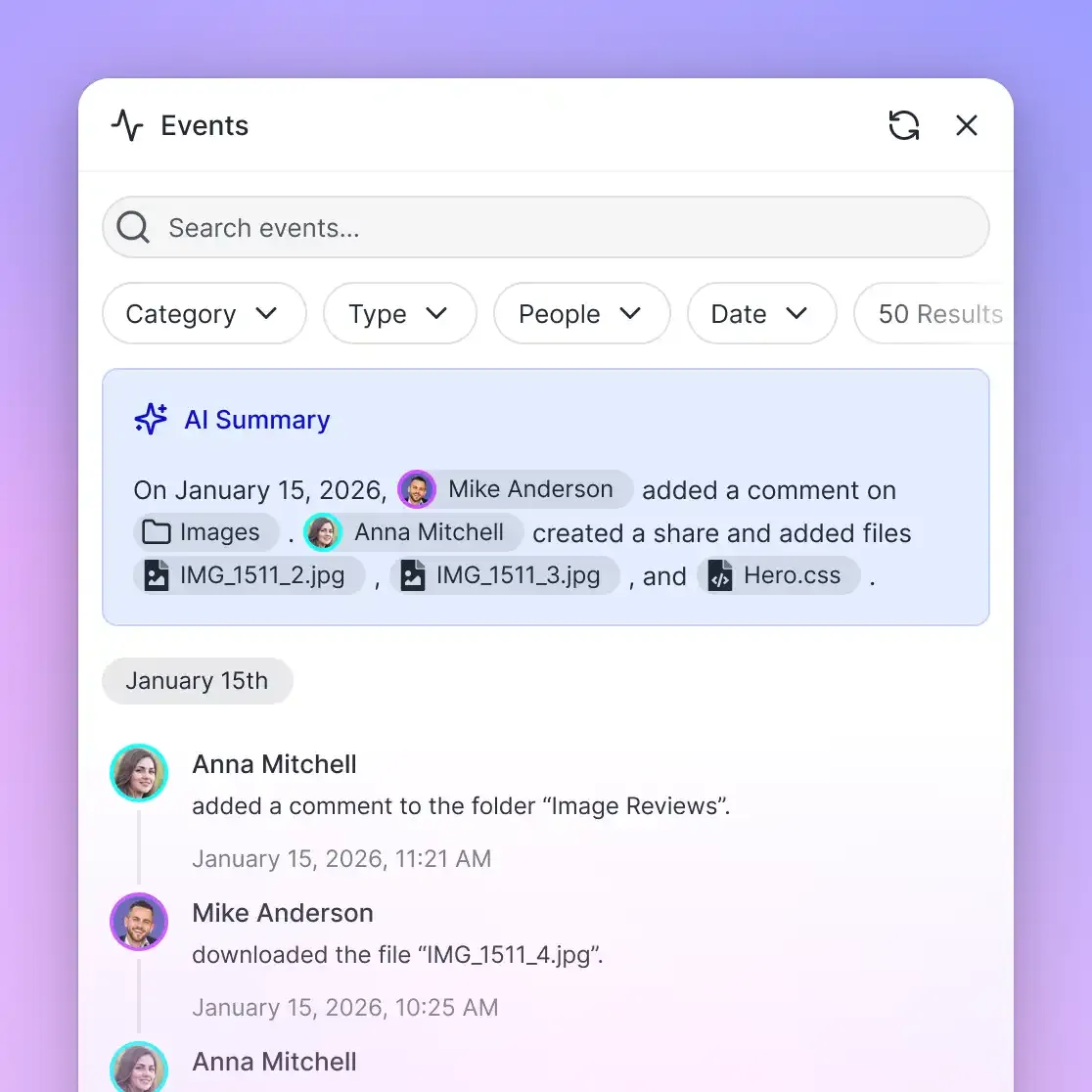
Every action an agent takes on a hosted MCP should be logged. Fastio provides full audit logs showing exactly which file was read, modified, or shared, and when the action occurred. This visibility is important for debugging agent behavior and maintaining compliance in enterprise environments.
Sources
References used to verify factual claims in this guide.
-
Hosted MCP services keep AI agents running 24/7 without tying them to your laptop Always On: Available 24/7 for scheduled tasks or autonomous workflows
-
Fastio provides a consolidated MCP toolset out of the box
-
DigitalOcean Basic Droplets start at $4/month
-
Railway Hobby is $5/month and Pro is $20/month
-
You cannot feed a 500-page PDF into every prompt
-
Fastio offers a 14-day Business Trial requiring a credit card
Frequently Asked Questions
Is hosted MCP secure for sensitive data?
Yes, if configured correctly. Hosted MCPs like Fastio use encryption in transit and at rest. They allow you to sandbox agents into specific workspaces, ensuring they only access data relevant to their task, unlike local agents that often have broad system access.
How much does it cost to host an MCP server?
Costs vary by provider. Self-hosting on a VPS typically costs $4-20/month. Fastio offers subscription plans starting at $9.99/mo alongside a 14-day Business Trial requiring a credit card, providing hosted MCP connectivity and storage.
Can I run custom Python code on a hosted MCP?
It depends on the platform. Managed services like Fastio focus on specific capabilities (file storage, RAG) and do not run arbitrary user code for security reasons. For custom logic, you would typically run a lightweight local or VPS-based MCP that connects to Fastio for state and storage.
Related Resources

Give Your Agents a Cloud Home for hosted mcp
Stop running critical agent infrastructure on your laptop. Get persistent, always-on storage for your AI agents with Fastio.