How to Set Up a Llama Agent Workspace
Llama agent workspaces combine persistent storage, RAG, and collaboration for AI agents running Llama models. Fastio plans start at $9.99/month with 3 seats, 250 GB of storage, and 100,000 monthly credits, and monthly plans start with a trial of up to 14 days. This step-by-step guide walks you through setup from account creation to multi-agent workflows.

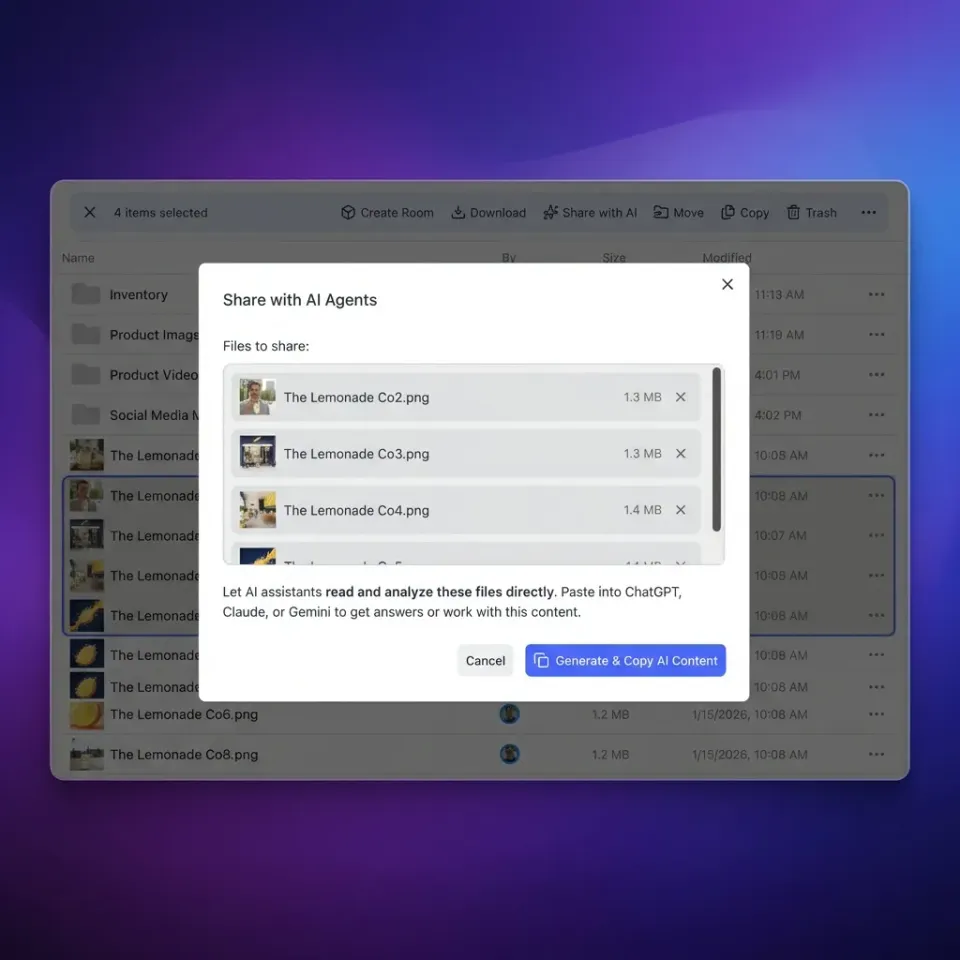
What Is a Llama Agent Workspace?
Llama agent workspaces fix common issues when building AI agents with Llama models. Models like Llama 3.1 handle tool use and long reasoning chains well. But they need persistent storage to keep track of state between runs. Without it, agents forget everything after each session. Complex tasks become impossible.
Llama models handle agentic workflows well. They score well on benchmarks like HumanEval, where Llama 3.1 70B gets 80.5% pass@1. This makes them solid for code generation and tool calling in multi-step processes. With 711k downloads last month on Hugging Face, Llama 3.1 is one of the most popular choices for agent development.
Frameworks like LlamaIndex provide agent tools and storage examples. Local setups suit solo developers, but teams require cloud storage for sharing files across agents and humans.
Fastio workspaces solve this by combining persistent storage with built-in RAG. Upload documents, enable Intelligence Mode, and query contents with Ripley to get citations. For example, ask "Summarize Q4 sales from the CSVs I uploaded" to get cited insights across all files.
Here's a comparison of storage options for Llama agents:
Reliable storage supports multi-step agent workflows. Without it, agents lose context and fail on longer tasks like research or reports.
Related guides
- How to Set Up an AI Agent Shared WorkspaceA shared workspace gives multiple AI agents a single place to read, write, and organize files without stepping on each...
- How to Set Up Agentic AI Storage for Persistent Agent MemoryAgentic AI storage provides persistent file and data access that autonomous agents need to complete multi-step tasks...
- Gemini 1.5 Pro Context Window: 2M Limits, Latency, and Workspace RAGThe Gemini 1.5 Pro context window offers 2,097,152 tokens of input capacity, processing audio, video, and text in a...
- Google Workspace Shared Drive: Connecting Organization Storage to AI AgentsA Google Workspace Shared Drive provides organization-owned storage where files belong to the team rather than an...
- How to Implement Cross-Workspace Search with Fastio APICross-workspace search with the Fastio API allows centralized systems to securely query data across multiple isolated...
- Best Cloud Storage for AI Agents: Top 7 Platforms ComparedCloud storage for AI agents provides persistent file access, version control, and API-driven operations that let...
More on this subject: Agent Memory and Storage (263 guides)
Why Fastio for Llama Model Agent Collaboration?
Fastio lets Llama agents share workspaces with humans for collaboration. Agents access workspace features via a consolidated MCP toolset, while humans use the web interface.
Plans: Starter is $9.99/month, or $99/year, with 3 seats, 250 GB of storage, and 100,000 credits. Business is $49.99/month for 10 seats, 5 TB, and 600K credits. Storage and seats come with the plan, while credits meter AI work such as document ingestion, chat, and agent runs. An organization needs a card and a 14-day trial or a subscription. Sign up.
Fastio benefits for Llama agents:
- Native MCP support: A consolidated MCP toolset for workspace actions, streamed via HTTP or SSE.
- Zero-config RAG: Toggle Intelligence Mode; files auto-index for semantic search and chat.
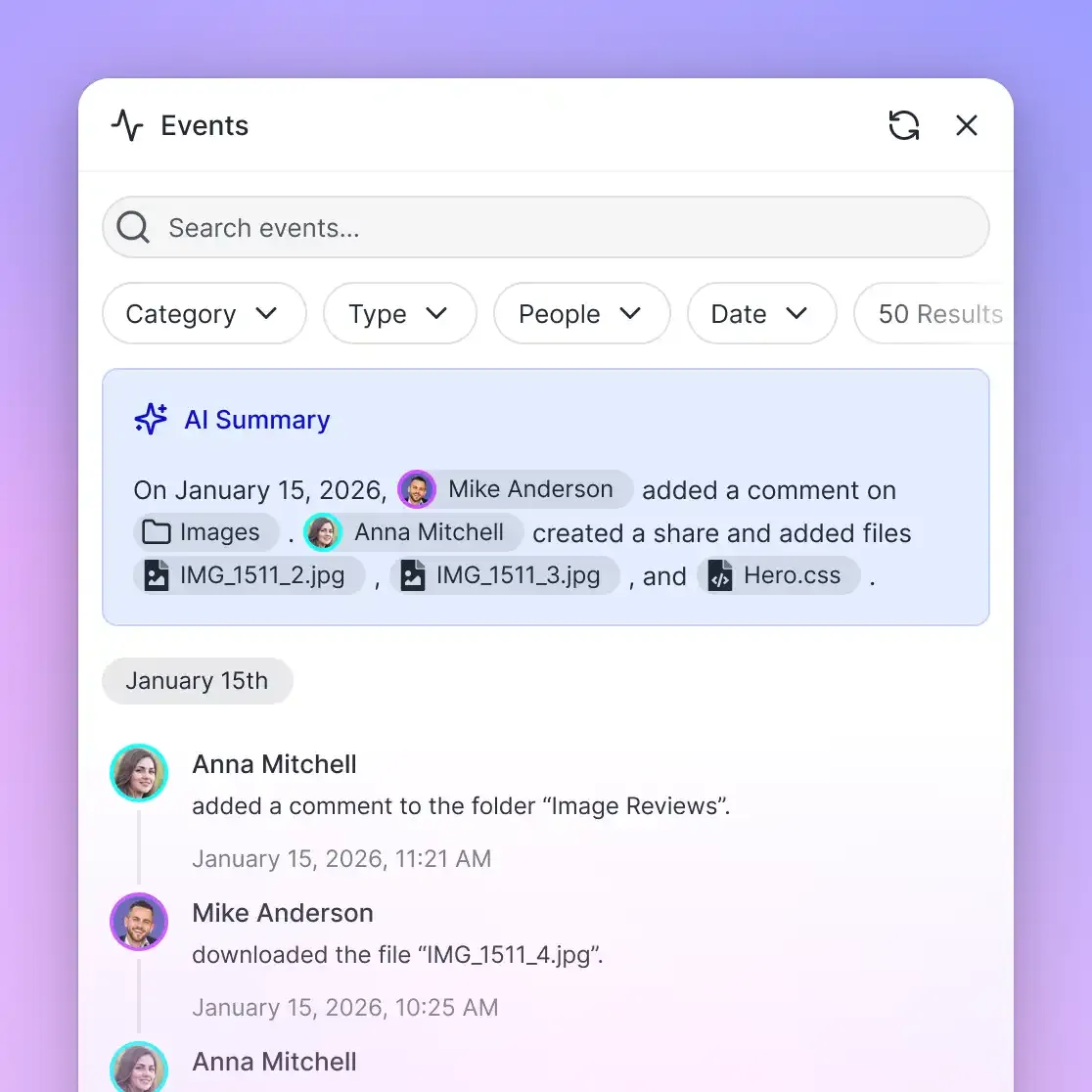
- Multi-agent ready: Per-file version history and a detailed activity log prevent conflicts. Poll activity or stream WebSocket events to react as files change.
- Human handoff: Ownership transfer keeps the agent as a collaborator after a human takes ownership.
List files with the storage tool (action list, profile_type workspace). Ask Ripley for a cited answer with the ai_manage tool (action ask). Point the client at https://mcp.fast.io/mcp/tools, signing in with OAuth in the browser or sending an Authorization: Bearer <api key> header on the connection when using a scoped API key.
Cons and alternatives:
- Lacks built-in compute (pair with Replicate or RunPod for Llama inference).
- Vs S3: More agent-friendly.


Start Your Llama Agent Workspace Today
Fastio gives teams shared workspaces, MCP tools, and searchable file context to run llama agent workspace workflows with reliable agent and human handoffs.
First step: Create Business Trial account and Workspace
You'll need: Node or Python, API key from Settings > Devices & Agents > API Keys (or POST /current/user/auth/key/). Authenticated calls use Authorization: Bearer {api_key} against https://api.fast.io/current/.
Sign up and start your trial. Grab your API key.
Create org/workspace:
curl -X POST https://api.fast.io/current/org/create/ \
  -H "Authorization: Bearer $TOKEN"

curl -X POST https://api.fast.io/current/org/$ORG_ID/create/workspace/ \
  -H "Authorization: Bearer $TOKEN"
Enable RAG in workspace settings by turning on Intelligence Mode so Ripley can answer from your files.
Upload test doc:
curl -X POST https://api.fast.io/current/upload/ \
  -H "Authorization: Bearer $TOKEN" \
  -F "name=report.pdf" \
  -F "size=12345" \
  -F "chunk=@report.pdf" \
  -F "action=create" \
  -F "instance_id=$WS_ID" \
  -F "folder_id=root"
- Test RAG query in MCP chat: "Summarize uploaded report."
Define clear tool contracts and fallback behavior so agents fail safely when dependencies are unavailable. This improves reliability in production workflows.
Verify and Troubleshoot
Check indexing status in dashboard under workspace settings. Wait a few minutes for large files. Review the audit log with GET https://api.fast.io/current/events/search/ or long-poll GET https://api.fast.io/current/activity/poll/{entityId}?wait=95&lastactivity={timestamp}. Common errors: HTTP 429 with error code 1671 (back off until the x-ve-limit-expires header), file too large (over 25 GB on Starter, 50 GB on Business or 100 GB on Enterprise).
Test RAG Query
Use MCP chat or a tools/call to the ai tool (action ask, profile_type workspace). You can also start a chat with POST https://api.fast.io/current/workspace/{workspace_id}/ai/agent/ and send a message with POST https://api.fast.io/current/workspace/{workspace_id}/ai/agent/{chat_id}/message/. Expect citations to specific files and pages.
Step 2: Connect Llama Agents via MCP
Agents running Llama models connect directly to Fastio's remote MCP server at https://mcp.fast.io/mcp/tools (Streamable HTTP) with an Authorization: Bearer <api key> header on the connection, following the setup guide.
Client connection: Point your MCP client or agent runtime to the remote endpoint. No local package installation is required.
Llama code example:
# Connect an agent runtime using Fastio MCP tools or REST API
# Tools cover upload, storage, find, ai, and event feeds
Handles chunked uploads automatically, up to 100 GB per file on the Enterprise plan.
Step 3: Configure Shared Storage for Multiple Llama Agents
Add members for collaboration:
curl -X POST https://api.fast.io/current/workspace/$WS_ID/members/agent2@example.com/ \
  -H "Authorization: Bearer $TOKEN"
Use advisory file locks before writing, and version history to review and restore:
# Acquire an advisory lock before writing
curl -X POST https://api.fast.io/current/workspace/$WS_ID/storage/$NODE_ID/lock/ \
  -H "Authorization: Bearer $TOKEN"

# Inspect version history
curl -X GET https://api.fast.io/current/workspace/$WS_ID/storage/$NODE_ID/versions/ \
  -H "Authorization: Bearer $TOKEN"
Watch file activity:
curl -X GET "https://api.fast.io/current/events/search/" \
  -H "Authorization: Bearer $TOKEN"

curl -X GET "https://api.fast.io/current/activity/poll/{entityId}?wait=95&lastactivity={timestamp}" \
  -H "Authorization: Bearer $TOKEN"
LlamaIndex: Connect Fastio as a custom retriever via REST API.
Define clear tool contracts and fallback behavior so agents fail safely when dependencies are unavailable. This improves reliability in production workflows.
Advanced: Multi-LLM Agent Collaboration
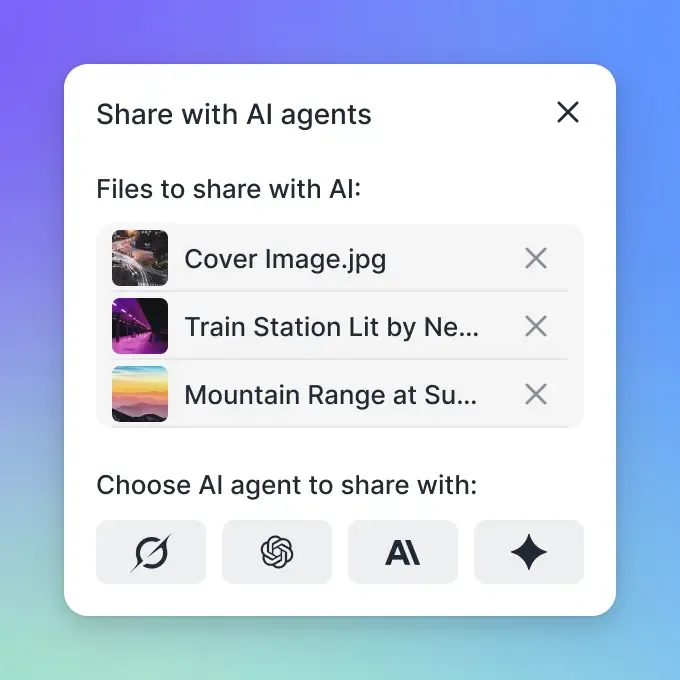
Share one workspace across LLMs like Llama and others [/storage-for-agents/].
Ownership transfer:
curl -X POST https://api.fast.io/current/org/$ORG_ID/member/$USER_ID/transfer_ownership/ \
  -H "Authorization: Bearer $TOKEN"
Handoff example: Llama agent sets up a data room, creates a Send, Receive, or Exchange share with POST /current/workspace/{workspace_id}/create/share/, then notifies a human teammate.
Multi-agent work: Advisory file locks coordinate writes, while per-file version history and a detailed activity log prevent data loss in parallel edits.
Scaling: Long-poll GET /current/activity/poll/{entityId}?wait=95&lastactivity={timestamp} so agents see new files as they land.
Define clear tool contracts and fallback behavior so agents fail safely when dependencies are unavailable. This improves reliability in production workflows.
Sources
References used to verify factual claims in this guide.
-
Llama 3.1 70B Instruct has 711k downloads last month and is one of the most popular choices for agent development Models like Llama 3.1 handle tool use and long reasoning chains well Llama 3.1 scores well on benchmarks like HumanEval where it gets 80.5% pass@1
-
Create an organization with POST /current/org/create/ and a workspace with POST /current/org/{org_id}/create/workspace/ File activity is read with GET /current/events/search/ or GET /current/activity/poll/{entityId}?wait=95&lastactivity={timestamp}
-
Handles chunked uploads automatically, up to 100 GB per file on the Enterprise plan Fastio works directly with Llama 3 models
Frequently Asked Questions
Which workspace works best for Llama agents?
Fastio offers generous storage, built-in RAG once Intelligence is enabled, a consolidated MCP toolset, and human collaboration. Works directly with Llama 3.x.
Can Llama agents share storage on Fastio?
Yes. Unlimited guests, advisory file locks and per-file version history for concurrent access, and role-based permissions.
What does the entry plan include for agent workspaces?
Starter is $9.99/month with 3 seats, 250 GB of storage, and 100,000 monthly credits. That covers most agent workflows.
Can LlamaIndex agents use Fastio storage?
Yes, via REST API or MCP tools. Once Intelligence Mode is enabled for the workspace, files are indexed automatically.
What MCP tools work with Llama agents?
A consolidated toolset. They cover features like upload, search, storage, and Ripley chat. Any LLM compatible.
Related Resources

Start Your Llama Agent Workspace Today
Fastio gives teams shared workspaces, MCP tools, and searchable file context to run llama agent workspace workflows with reliable agent and human handoffs.