How to Orchestrate Multi Agent Kubernetes Systems
Multi-agent Kubernetes orchestration runs AI agent groups on K8s clusters. Agents split tasks, share files in workspaces, and call MCP tools. This guide shows setup with Argo, Fastio file locks, and tips for production.


What Is Multi Agent Kubernetes Orchestration?
Multi-agent Kubernetes orchestration puts AI agents into pods on a K8s cluster. Each handles tasks like data processing or decisions. Deployments scale them; StatefulSets give stable names and storage.
Agents coordinate using MCP and Fastio workspaces. They call MCP tools for files and use advisory file locks to prevent overlaps. Good for workflows where agents split the labor.
Basic architecture steps:
- Put agents in Deployment-managed pods.
- Use Services for agent-to-agent talk.
- Run Argo Workflows CRDs for orchestration.
- Share state in Fastio workspaces.
- Scale via Horizontal Pod Autoscaler.
Kubernetes docs cover these controllers. Handles thousands of agents.
Helpful references: Fastio Workspaces, Fastio Collaboration, and Fastio AI.

Related guides
- Comparing AI Orchestration Tools for Multi-Agent WorkflowsChoosing the right AI orchestration tool is critical for building reliable multi-agent systems. While frameworks like...
- How to Coordinate AI Agents with Multi-Agent Orchestration PatternsMulti-agent orchestration patterns define how AI agents work together to complete tasks. This guide covers the four...
- 7 Best Observability Stacks for Multi-Agent Systems (2026)Multi-agent observability stacks help you track how agents interact and where they fail by looking into the reasoning...
- 6 Best Debugging Tools for Multi-Agent Systems in 2026Multi-agent systems fail in ways that single-agent setups never do.
- Building LangGraph Multi-Agent Systems with Shared FilesPassing unstructured text in memory between agents in a LangGraph workflow fails when those agents must collaborate on...
- Agentic Architectural Patterns for Building Multi-Agent SystemsDecoupling agent communication through a decentralized blackboard architecture yields a 30% speedup in parallel...
More on this subject: Multi-Agent Systems (62 guides)
Why Orchestrate Agents on Kubernetes?
Kubernetes runs container groups well. It scales, heals failures, and shares resources. Pods isolate agents. Network policies secure traffic. Updates happen without full stops.
Picture agents in parallel: one pulls features, another trains, the next tests. No coordination means resource clashes. K8s fixes that.
Advantages:
- Scale pods to fit the load.
- Replicas for fault tolerance.
- Limits per agent type.
- Metrics and logs for watching.
Teams use it for ML pipelines. Fastio workspaces handle shared state.
Core Components of K8s Multi Agent Architecture
Use K8s controllers. Deployments for stateless agents. StatefulSets if they need fixed IDs or storage.
Services connect agents. Headless ones find pods directly.
Argo Workflows make pipelines from CRDs. They launch agent pods on the fly.
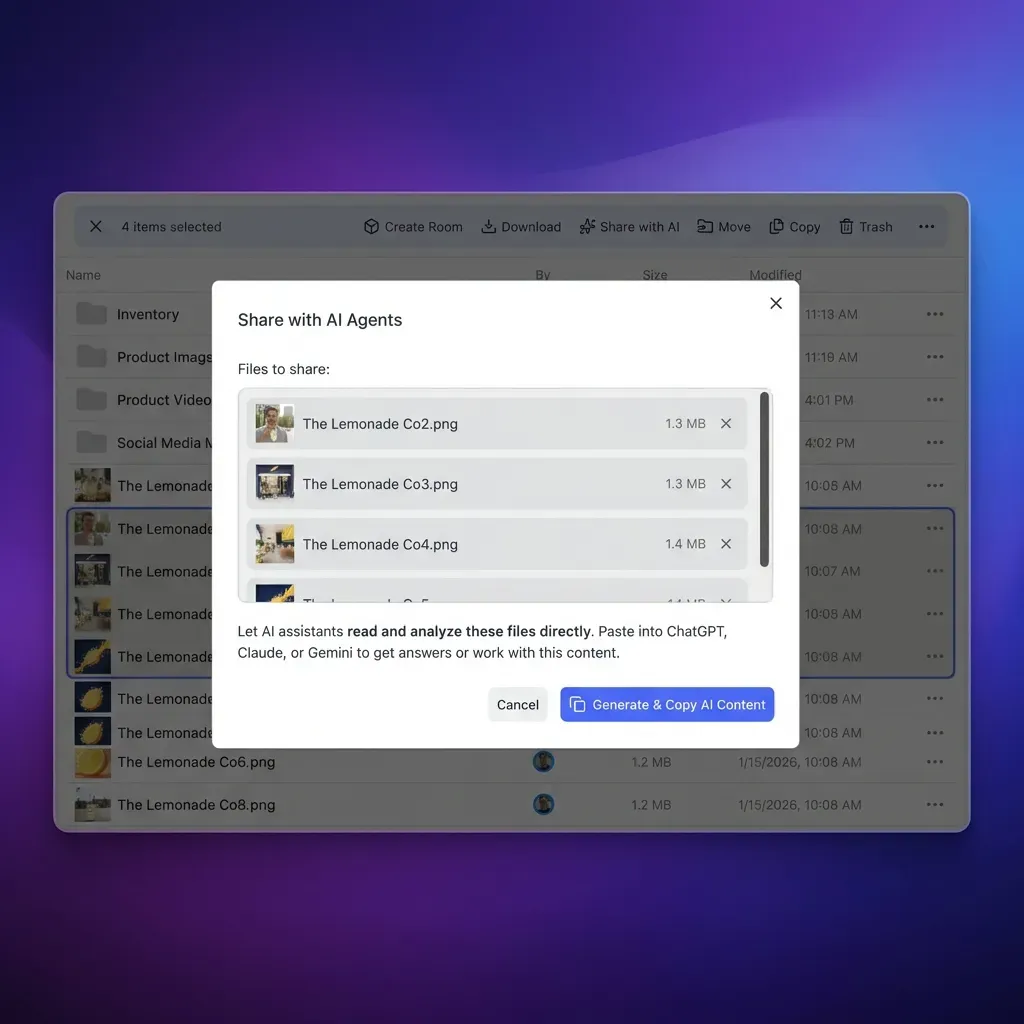
Fastio MCP gives multiple tools for files. Workspaces share state across agents.
Version history keeps concurrent edits safe, tracking every modification.
Integrating Argo for Workflow Management
Argo Workflows runs native on K8s. Set up DAGs with agent pods per step. Parameters move data along.
Example YAML for a swarm:
apiVersion: argoproj.io/v1alpha1
kind: Workflow
metadata:
  generateName: agent-swarm-
spec:
  entrypoint: main
  templates:
  - name: main
    dag:
      tasks:
      - name: agent-a
        template: agent-template
      - name: agent-b
        template: agent-template
        depends: agent-a
Argo retries and caps parallelism.


Try it yourself
See how Fastio handles your files.
Using Fastio MCP and File Locks for Coordination
Fastio MCP server matches UI with a consolidated toolset. Agents authenticate once and call remote MCP tools to list or upload files.
Workspaces hold shared info. Once Intelligence is enabled for the workspace, it queries files with RAG.
Coordination steps:
- Inspect file details and acquire an advisory file lock via MCP (lock-acquire) before editing.
- Update the file via MCP tools while renewing the lock via heartbeat.
- Release the lock (lock-release) when complete; version history automatically keeps every version as a safety net.
Fastio offers Starter, Business, and Enterprise plans with a 14-day Business Trial (see /pricing/).
Ownership transfer passes work to humans.
Production Deployment Example
Test on kind or minikube.
Install Argo: kubectl create namespace argo && kubectl apply -n argo -f https://github.com/argoproj/argo-workflows/releases/download/v3.5.8/install.yaml
Set MCP via configmaps or env.
Submit workflows with MCP file calls.
Watch with Prometheus/Grafana.
Scaling, Monitoring, and Troubleshooting
HPA scales on CPU/memory.
Prometheus grabs agent metrics. Argo shows workflow stats.
Troubleshoot: pod logs, Argo UI, Fastio logs.
Tips: set limits, network policies, disruption budgets.
Frequently Asked Questions
What is multi-agent K8s?
Multiple AI agents as pods on Kubernetes, scaled by Deployments and orchestrated by Argo.
How to orchestrate agents on Kubernetes?
Argo Workflows for DAGs. MCP tools and version history for shared state.
What role does MCP play in K8s agent swarms?
A consolidated MCP toolset handles file operations. Fastio workspaces with advisory file locks and version history coordinate agents across pods.
How does Fastio coordinate multi-agent setups with file locks?
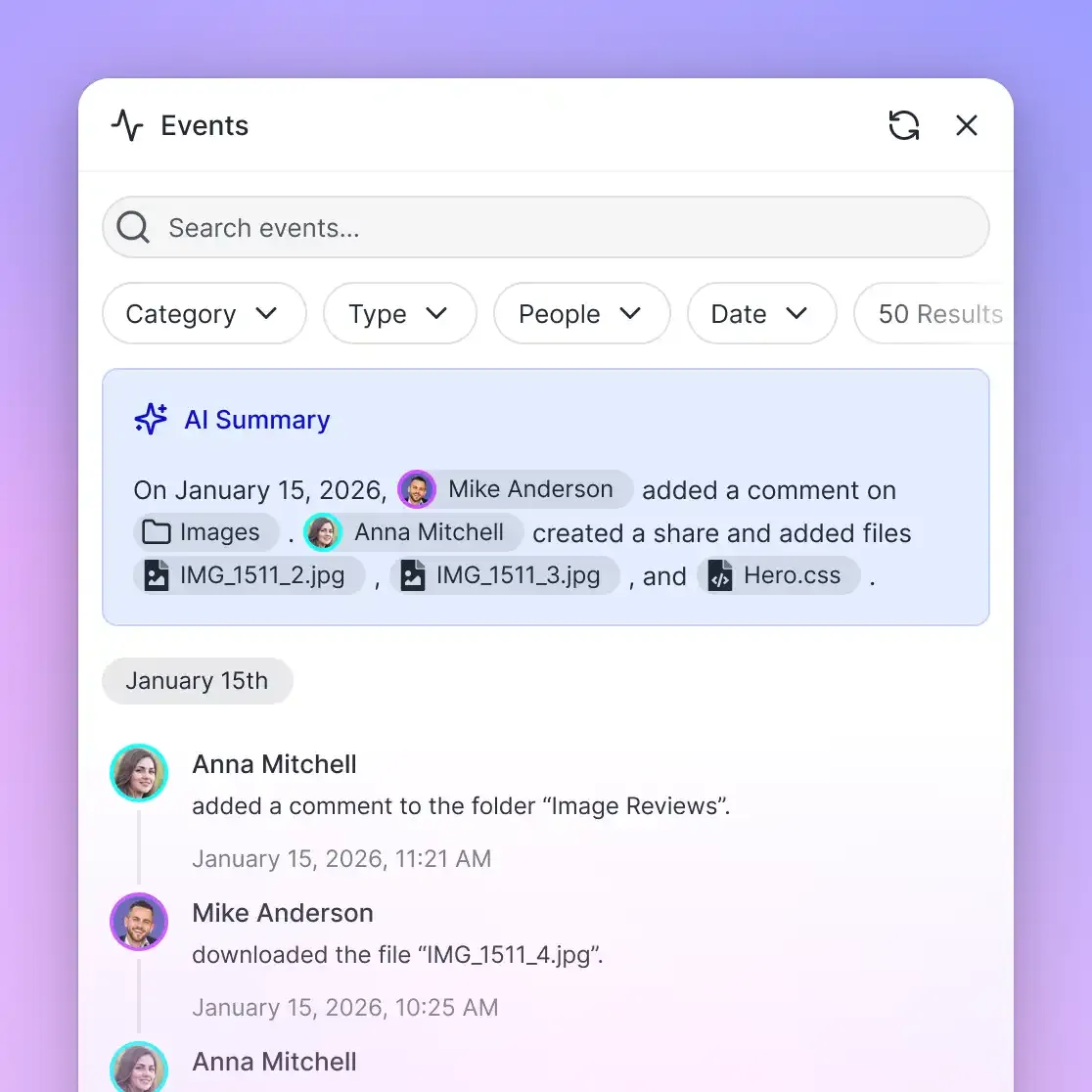
Fastio coordinates agents using advisory file locks via MCP or REST API. An agent acquires a lease on a file before writing, heartbeats while working, and releases it when finished. If another agent tries to lock the file, it receives an HTTP 409 status and waits. Version history and the activity log track every change regardless.

Ready to get started?
See how Fastio can help your team collaborate more efficiently.