Top 10 AI Agent Tools for Podcasting
Top AI agent tools for podcasting handle production from transcription to publishing. Global podcast listeners reached 584 million. These tools cut production costs by 50%. This list covers top picks for solo creators and multi-agent teams.

How We Evaluated These Tools
We selected top AI agent tools for podcasting based on agent support (API/MCP), podcast features (transcription, editing, publishing), multi-agent compatibility, pricing, and free options. Chose tools that handle full workflows. We tested API integration with agent frameworks and multi-agent chaining capabilities. Podcaster reviews emphasized reliability, time savings, and ease of use in production pipelines.
Related guides
- Best Headless Browsers for AI Agents: Top Tools (2026)Finding the best headless browsers for AI agents matters for reliable automation. Old scrapers break on dynamic sites....
- Best Web Browsing Tools for AI Agents (2026)Web browsing tools let AI agents navigate the live web, fill forms, and extract real-time data. Traditional scrapers...
- Best Free AI Agent Tools 2026: Top 12 Platforms ComparedBuilding autonomous agents doesn't have to be expensive. The free AI agent ecosystem now offers professional frameworks...
- Best Pydantic AI Tools for Building Reliable Agents (2026)Building reliable AI agents requires more than just prompts; it demands structured, type-safe data. Pydantic AI tools...
- 8 Best AI Agent Cost Optimization Tools in 2026AI agent costs add up fast once you move past prototyping. Tool calls, retries, multi-step reasoning, and storage...
- Best Agentic Coding Tools in 2026: A Developer's Honest RankingAgentic coding tools have moved past autocomplete into full task execution. We ranked the 10 most-used options of 2026...
More on this subject: AI Tool Directories and Comparisons (231 guides)
Top AI Agent Tools for Podcasting: Quick Comparison


Automate Your Podcast Pipeline
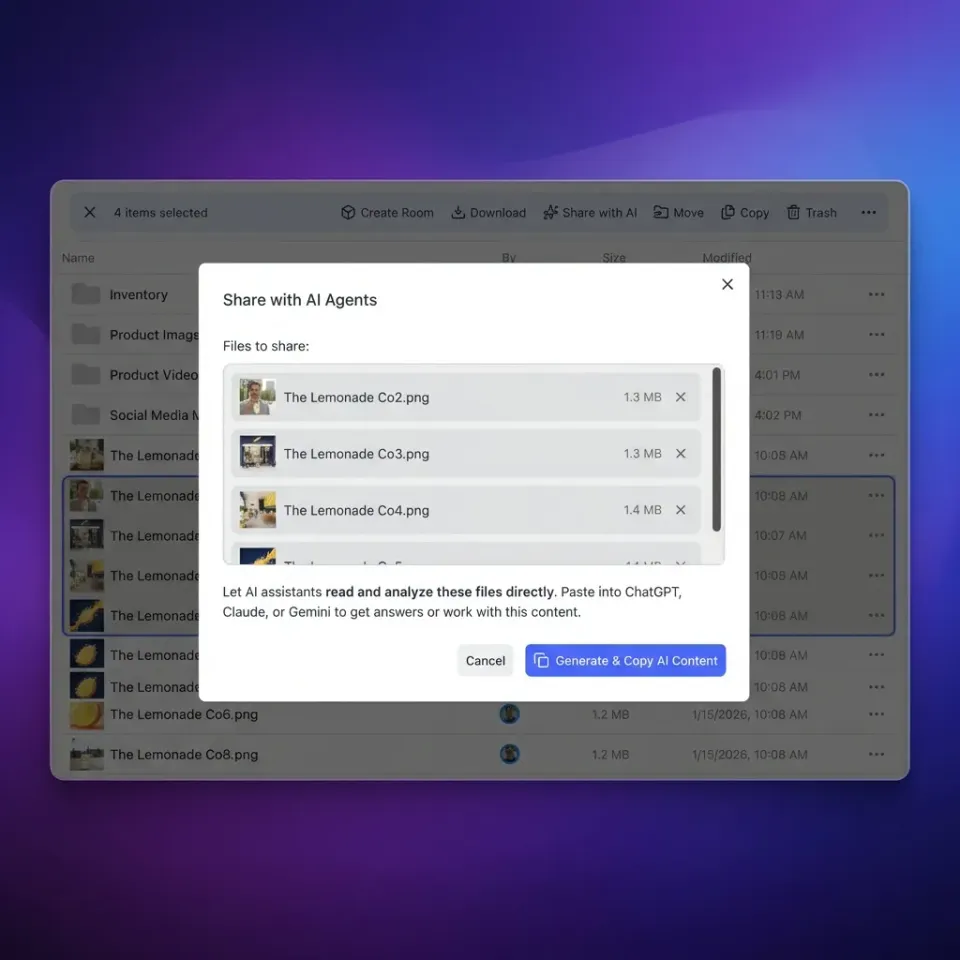
Fastio provides persistent workspaces and a consolidated MCP toolset for agents. Keep files from transcription to publishing in one place that agents and humans share.
What Challenges Do Podcasters Face in Production?
Transcription is time-intensive, typically 4x the audio length. Editing fillers and noise doubles that time. Publishing requires RSS feeds, artwork, and hosting setup. Solo podcasters spend 20 hours or more per episode. Teams face tool handoffs. AI agents automate repetitive tasks and connect workflows end to end.
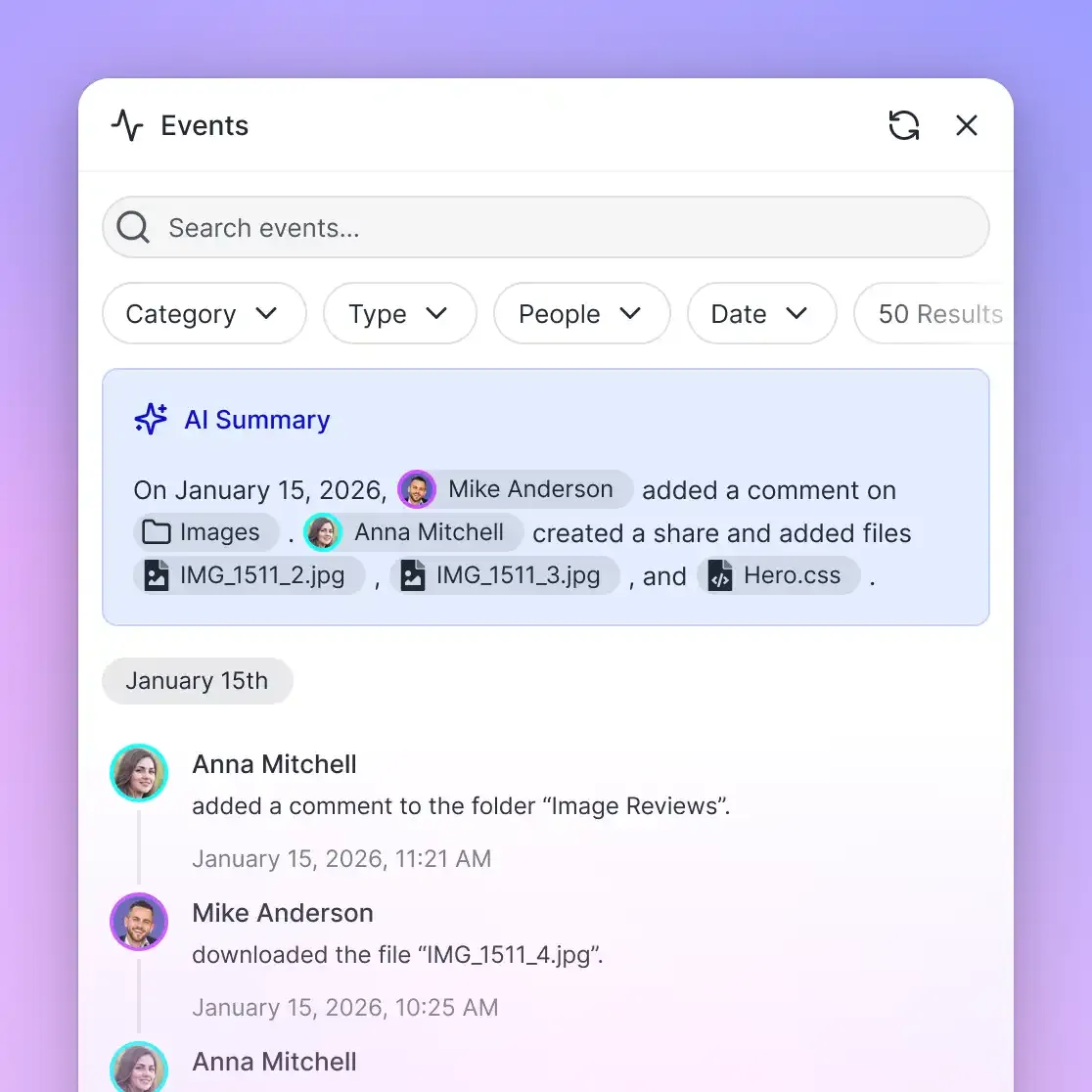
Production quality can still break down when outputs move between disconnected tools. Teams lose context on versioning, approval status, and ownership of intermediate files. A coordinated agent workflow adds structure to those handoffs, so editors, producers, and reviewers can trace what changed and why before publishing.
How Multi-Agent Workflows Overcome Single-Tool Limits?
Single tools handle one task, like transcription. Multi-agent workflows chain specialists: one calls Otter.ai API to transcribe, another Descript API for edits, a third Castmagic for clips. Share files in Fastio workspaces with MCP tools. This addresses coordination gaps in single apps and cuts production time from days to hours. Specialization allows each agent to excel in its domain, reducing overall errors.
1. Descript
Descript treats audio like text, enabling agents to edit transcripts directly. Overdub API generates voiceovers from LLM scripts, perfect for agent-created intros and ad segments. Agents integrate via API to automate batch editing and filler removal in podcast pipelines.
Strengths:
- Text-based editing much faster
- Studio Sound cleans noise
- Overdub API pairs with LLMs
Limitations:
- Tough for complex edits
- Team pricing higher
Best for: Script-to-audio agent edits. Pricing: Creator $12/mo. descript.com
2. ElevenLabs
ElevenLabs generates realistic synthetic voices for podcast intros, ads, and full episodes. API allows agents to clone voices from samples for branded content. Agents integrate easily to produce multilingual voiceovers on demand.
Strengths:
- Voice cloning
- Many languages
- API ready
Limitations:
- Credit system
- No editing tools
Best for: Voice workflows. Pricing: $5/mo starter.
3. Podcastle
Podcastle offers an all-in-one AI platform for podcast recording, editing, and publishing. Studio API enables agents to automate session management and exports. Ideal for beginners building agent-assisted studios.
Strengths:
- One-click studio
- Voice creation
- Collaboration
Limitations:
- Browser only
- Limited multi-agent
Best for: Beginners. Pricing: $12/mo.
4. Adobe Podcast Enhance
Adobe Podcast Enhance is a free AI tool that cleans noisy audio in seconds without signup. Agents can process files via API calls for quick post-production cleanup. Perfect for batch noise reduction in workflows.
Strengths:
- No signup
- Fast
- Good quality
Limitations:
- No edits
- File size limits
Best for: Quick cleanups. Pricing: Free.
5. Cleanvoice.ai
Cleanvoice.ai automatically removes fillers, stutters, and mouth sounds from audio. API supports agent-driven polishing of raw podcast recordings. Supports multiple languages for international podcasts.
Strengths:
- Multiple languages
- Batch process
- API
Limitations:
- Audio focus only
- Subscription required
Best for: Cleanup agents. Pricing: $10/mo.
6. Auphonic
Auphonic masters audio levels, reduces noise, and prepares for broadcast. API integrates with agent workflows for automated post-production. Supports batch processing for multiple episodes.
Strengths:
- Pro standards
- API
- Batches
Limitations:
- Credits cost
- Technical setup
Best for: Post-production. Pricing: $11/credit hour.
7. Riverside.fm
Riverside.fm enables remote recording with AI transcription and local high-quality tracks. Agents can access Magic Clips for highlights. Great for distributed podcast teams.
Strengths:
- 4K video
- Magic clips
- Transcription
Limitations:
- Recording centered
- Expensive
Best for: Interviews. Pricing: $19/mo.
8. Castmagic
Castmagic generates notes, social posts, and chapters from podcast audio. Custom prompts allow agents to extract specific content types. Supports repurposing for marketing.
Strengths:
- Repurposing
- Multi-language
- Custom prompts
Limitations:
- Content only
- New tool
Best for: Marketing agents. Pricing: $20/mo.
9. Otter.ai
Otter.ai provides live transcription with speaker identification and searchable notes. API enables agent extraction of key insights. Integrates with calendars for auto-notes.
Strengths:
- Real-time notes
- Integrations
- Searchable
Limitations:
- Varies accuracy
- No editing
Best for: Notes. Pricing: $10/mo.
10. Fastio
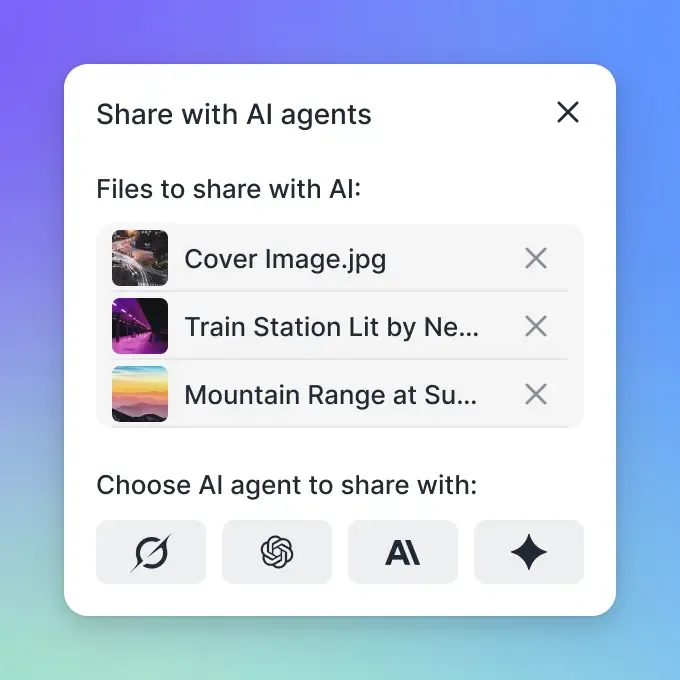
Fastio provides shared workspaces for multi-agent podcast production. Agents access a consolidated MCP toolset for uploads, search, sharing, and RAG queries once Intelligence is enabled. Version history, permissions, and ownership transfer ensure smooth human-agent collaboration.
Strengths:
- Consolidated MCP toolset for uploads, search, and sharing
- Business Trial: 14-day Business Trial, card required (see /pricing/)
- Advisory file locks and version history coordinate agent writes, with ownership transfer to humans
Limitations:
- Storage and workspace layer; pair with specialized audio editing tools
Best for: Agent teams sharing files in pipelines. Pricing: Starter from $9.99/mo, Business $49.99/mo, Enterprise $199.99/mo.
Sources
References used to verify factual claims in this guide.
-
Global podcast listeners reached 584 million
-
AI tools reduce production costs up to 50% Cleanup cuts 50% of costs
-
persistent workspaces for AI agents consolidated MCP toolset available Agents access a consolidated MCP toolset for uploads, search, sharing, and RAG queries once Intelligence is enabled
-
Fastio plans include usage-based credits
-
Descript Creator pricing $12/mo
-
ElevenLabs starter pricing $5/mo
-
Podcastle pricing $12/mo
-
Adobe Podcast Enhance free
-
Cleanvoice.ai pricing $10/mo
-
Auphonic pricing $11/credit hour
-
Riverside.fm pricing $19/mo
-
Castmagic pricing $20/mo
-
Otter.ai pricing $10/mo
-
Transcription takes 4-6 hours per hour of audio Transcription is time-intensive, typically 4x the audio length
-
Solo podcasters spend 20+ hours per episode
Frequently Asked Questions
Best AI for podcast editing?
Descript for text-based edits. Adobe Enhance cleans free. Podcastle for beginners.
AI agents for audio production?
ElevenLabs voices, Cleanvoice cleanup, Auphonic mastering. Fastio for multi-agent coordination.
Are there free tools or trials for AI podcasting?
Adobe Enhance is free. Fastio provides a 14-day Business Trial on monthly plans (credit card required; see /pricing/), and other tools offer limited free tiers or trials.
Multi-agent podcast workflow?
Fastio provides workspaces with advisory file locks, version history, granular permissions, and RAG queries once Intelligence is enabled.
How AI cuts podcast time?
Cleanup cuts 50% of costs. It also handles transcription and content generation.
Related Resources

Automate Your Podcast Pipeline
Fastio provides persistent workspaces and a consolidated MCP toolset for agents. Keep files from transcription to publishing in one place that agents and humans share.