7 Best Agentic GitOps Platforms for 2026
Agentic GitOps platforms use Git to manage AI agents. Agents handle infrastructure deployments independently, using Git as the source of truth. Here are the top picks that handle large agent operations and MCP integration. They manage thousands of agents reliably while staying cost-effective. Check the table for a quick comparison, then read the reviews.


Agentic GitOps Platforms Compared
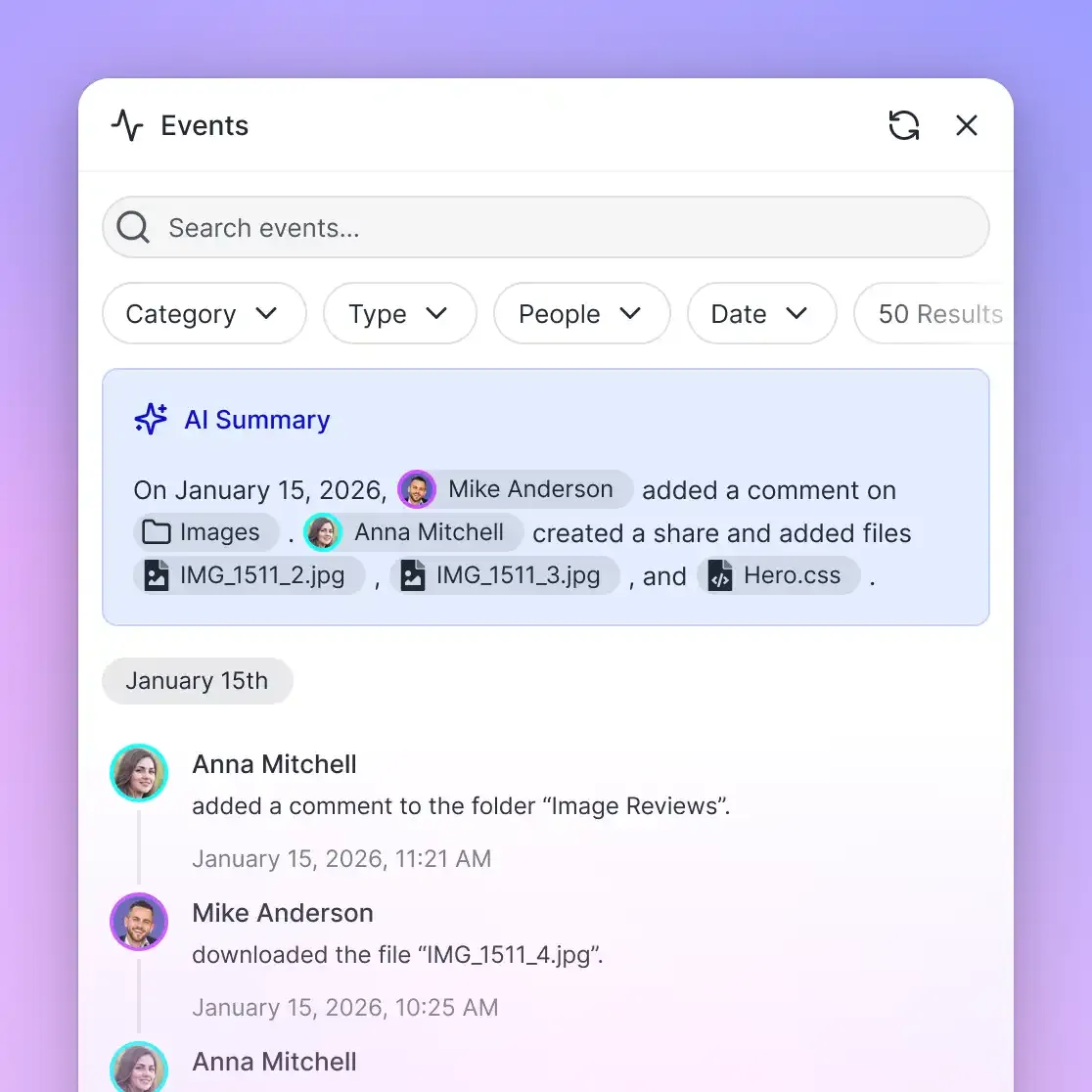
Fastio offers native MCP support.
Helpful references: Fastio Workspaces, Fastio Collaboration, and Fastio AI.
Related guides
- How to Implement AI Agent GitOps: Declarative Agent DeploymentsAI Agent GitOps applies the principles of GitOps, version control, declarative definitions, and automated...
- How to Build AI Agent GitOps WorkflowsAI agent GitOps workflows use autonomous agents to manage declarative infrastructure from Git repositories. Traditional...
- How to Integrate AI Agents with Argo CDAI agent Argo CD integration enables autonomous continuous deployment management through GitOps principles. Agents can...
- Best AI Agent Hosting Platforms in 2026AI agent hosting platforms provide compute, storage, and orchestration for deploying autonomous agents in production....
- Best Self-Hosted AI Agent Platforms (2026 Guide)Self-hosted AI agent platforms let teams run agents on their own infrastructure, keeping data on-premise and avoiding...
- Top 10 AI Agent Infrastructure Platforms in 2026AI agent infrastructure platforms build backends for multi-agent systems. The market is expected to grow from $7.63...
More on this subject: Agent Infrastructure and Deployment (55 guides)
How We Selected These Platforms
We selected platforms based on key criteria for agentic workflows.
Agent capacity: Handles large numbers of concurrent agents without slowdowns. Flux and Argo scale to enterprise clusters, for example.
MCP integration: Key for AI agents. Fastio offers multiple MCP tools for file ops on Git manifests.
GitOps maturity: Declarative sync from Git, drift detection, rollbacks.
Pricing and ease: Free tiers, quick setup.
Security: RBAC, audit logs, version history.
Sources: CNCF project status and vendor docs.
1. Flux CD
Flux CD is a CNCF graduated GitOps tool for Kubernetes.
It syncs cluster state from Git repos automatically. Agents can commit changes, Flux reconciles.
Strengths:
- Pull-based, secure model
- Multi-tenancy support
- works alongside Helm, Kustomize
Limitations:
- Kubernetes only
- No built-in AI agent tools
Best for Kubernetes teams starting GitOps.
Pricing: Open source, free.
2. Argo CD
Argo CD provides declarative GitOps for apps on Kubernetes.
UI for visualizing sync status. Agents use API to trigger deploys.
Strengths:
- App-of-apps pattern
- Rollouts integration
- Webhooks for events
Limitations:
- Steep learning for non-K8s
- Manual scaling for 1k+ agents
Best for complex app deploys.
Pricing: Open source.
3. Harness Continuous Delivery
Harness offers GitOps with Argo/Flux integration and AI verification.
Central dashboard for multi-cluster.
Strengths:
- AI rollout analysis
- Policy as code
- Multi-cloud support
Limitations:
- Paid for advanced features
- Vendor lock-in risk
Best for enterprises with hybrid infra.
Pricing: Per-user monthly pricing.
4. GitLab GitOps
GitLab's built-in GitOps uses Flux/Argo under hood.
Full DevSecOps pipeline.
Strengths:
- Integrated CI/CD
- Duo AI for code
- Auto-devops
Limitations:
- Repo-centric
- Less flexible for external agents
Best for GitLab shops.
Pricing: Free core, premium paid.
5. Fastio
Fastio provides workspaces for agentic teams.
A consolidated MCP toolset lets agents manage Git manifests and YAMLs with RAG for review once Intelligence is enabled.
Strengths:
- Native remote MCP for any LLM
- 14-day Business Trial with usage-based credits
- Advisory file locks and version history for multi-agent coordination
- Ownership transfer
Limitations:
- File-focused, needs Git tool integration
- Newer for pure GitOps
Best for AI agents building infra as code.
Pricing: Plans start at $9.99/mo (Starter), with a 14-day Business Trial.


Scale Your Agentic GitOps Workflows
Get persistent storage, usage-based credits, and a consolidated MCP toolset. Built for agentic gitops platforms workflows.
6. Spinnaker
Spinnaker is multi-cloud CD platform.
Pipeline as code, supports Git triggers.
Strengths:
- Mature, Netflix-scale
- Canary/blue-green
- Multi-provider
Limitations:
- Heavy setup
- Less agent-native
Best for legacy VM deploys.
Pricing: Open source.
7. Keptn (Open source)
Keptn automates GitOps with observability.
Strengths:
- Delivery lifecycle
- Integrates OpenTelemetry
Limitations:
- Incubating stage
Best for observability-driven GitOps.
Pricing: Free.
Which Agentic GitOps Platform Should You Choose?
For pure open source K8s: Flux or Argo CD.
Enterprise AI: Harness.
Agent-first: Fastio with MCP.
Evaluate trials and open-source options to test agent scale.
Define clear tool contracts and fallback behavior so agents fail safely when dependencies are unavailable. This improves reliability in production workflows.
Sources
References used to verify factual claims in this guide.
-
Flux is CNCF graduated project
Frequently Asked Questions
What are the best agentic GitOps platforms?
Flux CD, Argo CD, Harness, GitLab, and Fastio lead for 2026. They support large agent fleets and Git sync.
What is agent GitOps?
Agent GitOps uses AI agents to manage deployments via Git. Agents commit changes, platforms reconcile.
Do these platforms support MCP?
Fastio has native MCP support. Others via custom integrations.
How many agents can top platforms handle?
Thousands, per CNCF scaling reports.
Is Fastio good for GitOps?
Yes, agents use MCP to handle yamls, with RAG and version history.
What open-source or trial options exist for agent GitOps?
Flux and Argo CD are open source, and Fastio offers a 14-day Business Trial.
Related Resources

Scale Your Agentic GitOps Workflows
Get persistent storage, usage-based credits, and a consolidated MCP toolset. Built for agentic gitops platforms workflows.