How to Integrate Fastio MCP with Pydantic AI Workflows
Integrating Fastio MCP with Pydantic AI enables type-safe file operations for agentic workflows. By connecting to Fastio's Model Context Protocol (MCP) server over Streamable HTTP, Python developers can equip their agents with a consolidated MCP toolset for file management and collaboration. This guide covers setup, code examples, and best practices for building real-world integrations.

The Shift Toward Standardized AI Tools
The field of AI development is shifting from fragile, custom tool integrations toward standardized protocols. According to Anthropic, who announced the Model Context Protocol in November 2024 to provide a universal standard for AI integrations, the goal is to replace fragmented, brittle connections with a reliable, unified approach.
For Python developers, Pydantic AI has emerged as the premier framework for building generative AI applications that demand strict schema validation for LLM outputs. It enforces type safety across agentic workflows, ensuring that models return structured data rather than unpredictable text. However, most Pydantic AI guides lack real-world file storage MCP examples, leaving developers unsure how to handle complex file I/O, secure sharing, and collaborative workspaces.
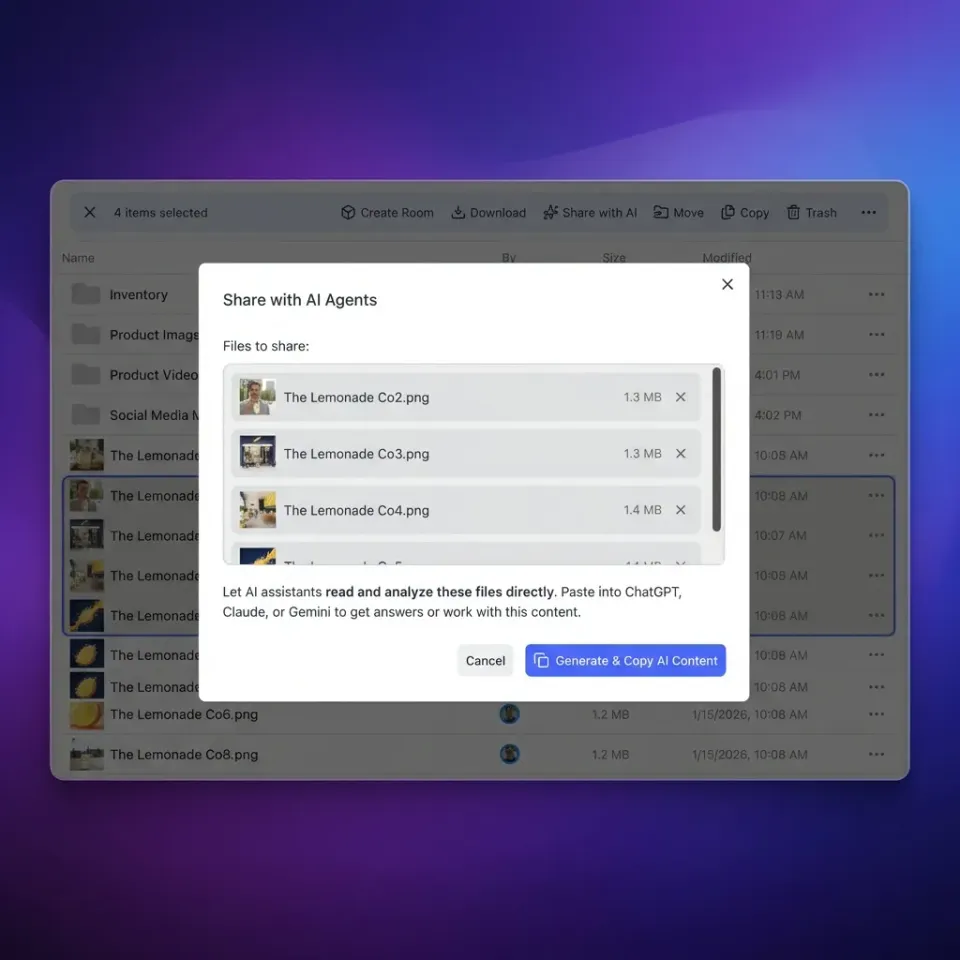
Fastio bridges this gap. Fastio is an intelligent workspace, not just commodity storage. It natively supports the Model Context Protocol, exposing a consolidated MCP toolset for file management and collaboration through a Streamable HTTP and Server-Sent Events (SSE) endpoint. Agents and humans share the same workspaces, the same tools, and the same intelligence.
Related guides
- How to Build a Fastio MCP Client in PythonBuilding a Fastio MCP client in Python enables seamless file management capabilities within Python-based AI agent...
- How to Build an MCP Server with FastAPI and PythonGuide to mcp server fastapi python: You can use FastAPI to turn Python code into standardized tools for AI agents like...
- How to Build MCP Servers with Python: Best PracticesThe Model Context Protocol (MCP) gives AI agents a standard way to connect to external data and tools. This guide walks...
- How to Get Started with the MCP Python SDK for AI AgentsThe MCP Python SDK is the official library for building Model Context Protocol servers and clients, enabling...
- How to Build an MCP Server in PythonBuilding an MCP server in Python means using the MCP SDK to define 'tools', 'resources', and 'prompts' that an AI agent...
- FastAPI MCP: Exposing APIs as MCP Servers for AI Agent TeamsBuilding a FastAPI MCP server enables engineering teams to turn Python endpoints into Model Context Protocol tools for...
More on this subject: MCP and Model Context Protocol (244 guides)
Why Combine Pydantic AI with Fastio?
Integrating Fastio MCP with Pydantic AI enables type-safe file operations for agentic workflows. When you bring these two technologies together, you get a reliable system where Pydantic AI handles the cognitive logic and strict output validation, while Fastio handles the persistent state, file indexing, and human collaboration.
The Complete Toolset The Fastio MCP integration offers a consolidated toolset. Every capability available in the Fastio web UI has a corresponding agent action. This means your Pydantic AI agents can create workspaces, invite users, generate share links, and transfer ownership without needing custom API wrappers.
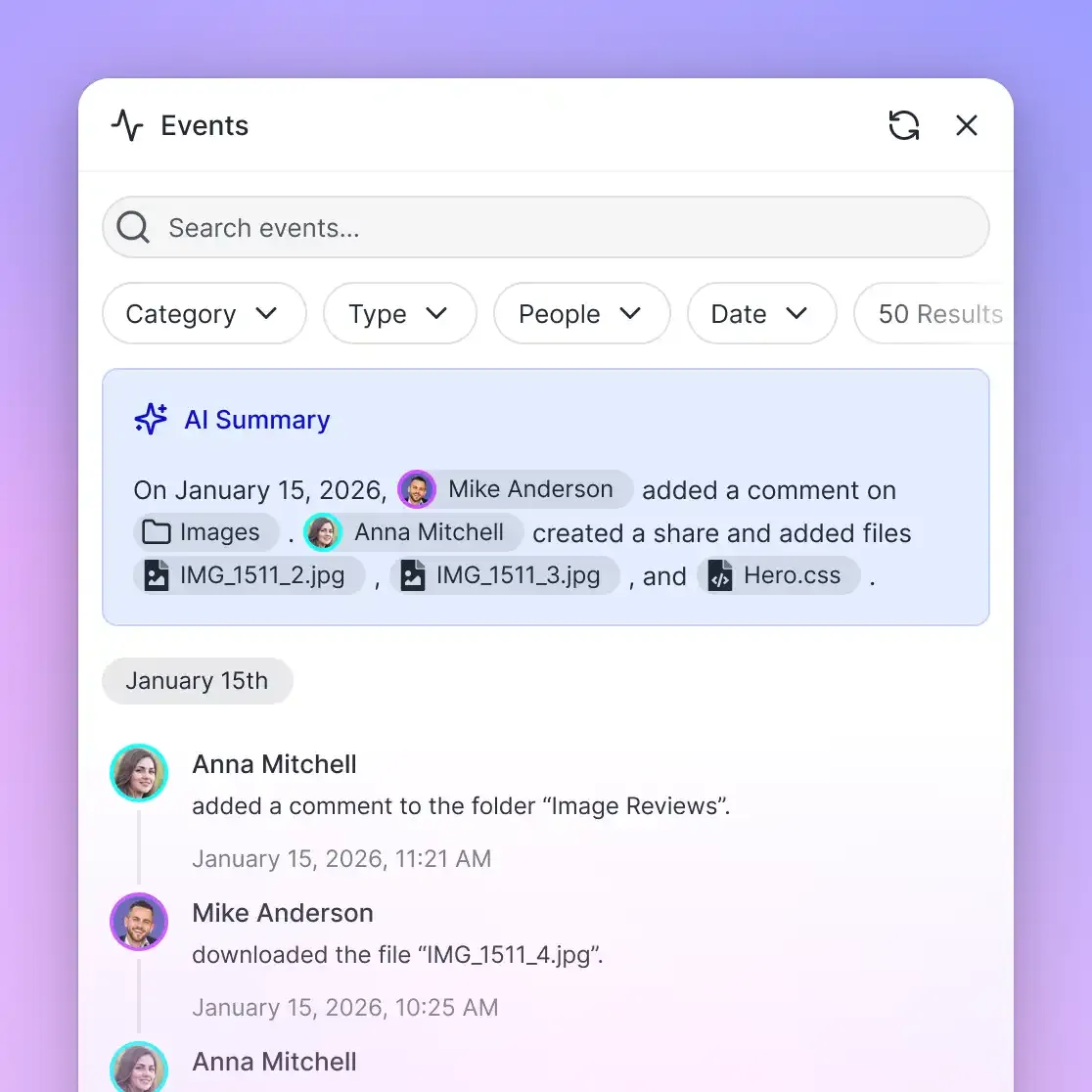
Native Workspace Intelligence Fastio is not "storage with an AI feature appended." The intelligence is native. When your Pydantic AI agent uploads a file to a Fastio workspace, it is automatically indexed and searchable by meaning once Intelligence Mode is enabled. You can toggle Intelligence Mode on a workspace, enabling built-in RAG (Retrieval-Augmented Generation) with exact citations. Your agent can ask questions about the entire workspace without you having to build and maintain a separate vector database.
The Business Trial Fastio offers Starter, Business, and Enterprise plans, alongside a 14-day Business Trial requiring a credit card. Teams get persistent cloud workspaces, granular permissions, versioning, and built-in AI indexing to support production agent workflows.
Setting Up Your Development Environment
Before you write your Pydantic AI agent, you need to prepare your Python environment and secure your Fastio credentials.
1. Install Required Packages
You need the core Pydantic AI framework, the official MCP Python SDK, and your preferred LLM provider package (such as OpenAI or Anthropic). Run the following command in your terminal:
pip install pydantic-ai mcp
2. Obtain Fastio Credentials
To authenticate your agent, you need a Fastio API key.
- Log in to your Fastio account
- Navigate to your Developer Settings
- Generate a new API key with the appropriate scopes for workspace management
- Save this key in your
.envfile asFASTIO_API_KEY
3. Basic Project Structure
Create a clean project directory to hold your agent logic. Your setup should include a main application file and an environment variable loader:
project_root/
├── .env
├── requirements.txt
└── agent.py
With the prerequisites complete, you are ready to configure the MCP client session.
How to Initialize the MCP Client in Pydantic AI
The Model Context Protocol supports multiple transport layers. Fastio exposes its tools over Streamable HTTP at https://mcp.fast.io/mcp/tools, so you connect over standard HTTP without dealing with complex socket configurations.
Here is the core pattern for connecting a Pydantic AI agent to the Fastio MCP server. This code snippet points an MCPToolset at the Fastio server and gives its tools to the agent.
import os
import asyncio
from pydantic_ai import Agent
from pydantic_ai.mcp import MCPToolset

# Connect to the Fastio MCP server over Streamable HTTP with your API key
fastio = MCPToolset(
    "https://mcp.fast.io/mcp/tools",
    headers={"Authorization": f"Bearer {os.getenv('FASTIO_API_KEY')}"},
)

# Give the agent the Fastio tools
agent = Agent('openai:gpt-4o', toolsets=[fastio])

async def run_fastio_agent():
    result = await agent.run("List my active Fastio workspaces")
    print(result.output)

if __name__ == '__main__':
    asyncio.run(run_fastio_agent())
This configuration securely routes the agent's reasoning process to Fastio's execution environment. Passing the toolset in toolsets=[...] gives the agent the Fastio tools; the agent opens the MCP connection when it runs, and the model decides when and how to call the tools.
Executing Type-Safe File Operations
Pydantic AI excels at enforcing strict schemas. When integrated with Fastio's MCP server, this means your file operations become highly predictable and error-resistant.
Consider a scenario where an agent needs to build a client portal, upload documents, and transfer ownership to a human stakeholder. Without type safety, the agent might hallucinate incorrect file paths, pass the wrong permission strings, or fail to handle async upload states properly.
With Pydantic AI, you define the exact structure of the expected outcome. The agent uses the Fastio MCP tools to execute the steps:
- Create the Workspace: The agent calls the Fastio workspace creation tool.
- Import External Files: The agent uses the URL Import tool to pull files directly from Google Drive or Dropbox via OAuth, entirely bypassing local I/O bottlenecks.
- Transfer Ownership: The agent creates the organization, builds the workspaces, shares them, and transfers ownership to the human client while retaining administrative access.
Because the inputs and outputs are validated against strict Pydantic models, you eliminate the common runtime errors associated with dynamic AI execution. Agents can also acquire advisory file locks via the storage tool (lock-acquire, lock-status, lock-release) before modifying assets, renewing them with heartbeats; concurrent lock attempts return HTTP 409 so other agents can wait, while version history preserves every write regardless.
Handling Advanced Workflows and Edge Cases
As your agentic applications grow in complexity, you will encounter edge cases that require sophisticated handling. The combination of Fastio and Pydantic AI provides several mechanisms to maintain stability.
Managing Large Files and Timeouts
When dealing with substantial file transfers, network latency can cause timeouts. Pydantic AI allows you to configure specific retry logic and timeout boundaries for your agent runs. Fastio complements this by supporting chunked uploads and resumable operations, ensuring reliable transfers even across network interruptions.
Reactive Workflows with Activity Feeds
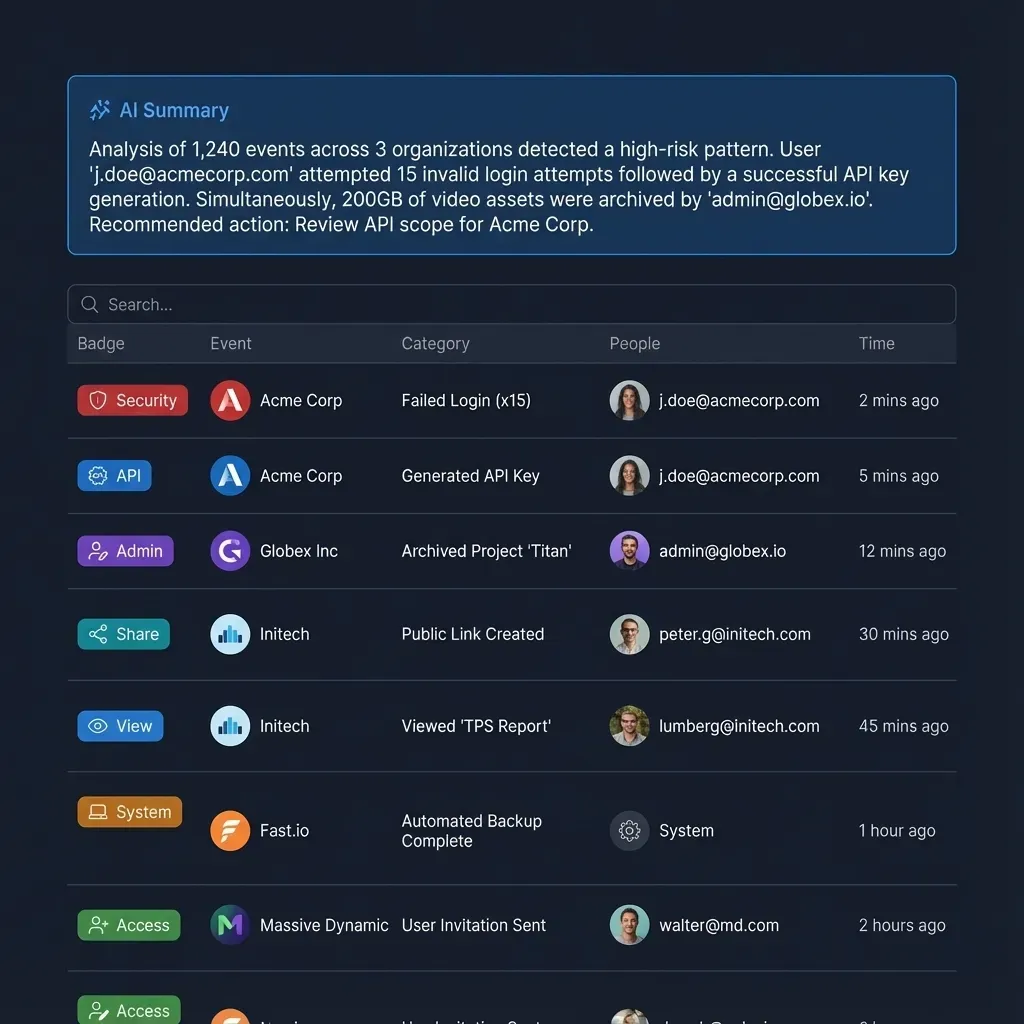
Fastio supports an activity feed and WebSocket events feed, allowing you to build reactive workflows. When a human uploads a new document to a workspace, your Pydantic AI agent can detect the event via activity polling or the WebSocket feed, process the new file, and leave a summary in the workspace.
Troubleshooting Tool Selection
With a consolidated toolset available, an LLM might occasionally select an incorrect tool for a task. To mitigate this, use Pydantic AI's system prompts to explicitly guide the model. Provide clear examples of which Fastio tools to use for specific actions. For instance, clarify the difference between creating a workspace and updating workspace metadata. You can also filter the tools you expose to the agent during the session initialization, passing only the subset required for the current task.


Give Your Pydantic AI Agents Persistent Storage
Start your 14-day Business Trial with persistent storage and a consolidated MCP toolset. Connect your Python workflows to an intelligent workspace today.
A Unified Collaboration Layer
The true power of this integration lies in the shared environment. In traditional setups, agents operate in isolated silos, generating outputs that humans then have to manually copy, paste, and distribute.
By integrating Fastio MCP with Pydantic AI, the workspace becomes the common ground. Agents and humans look at the same files, use the same tools, and benefit from the same native intelligence. When an agent completes a task, the results are immediately available to the human team in a polished, collaborative interface.
Sources
References used to verify factual claims in this guide.
-
Anthropic announced the Model Context Protocol in November 2024 to provide a universal standard for AI integrations.
Frequently Asked Questions
How do I use MCP with Pydantic AI?
You can use MCP with Pydantic AI through its `MCPToolset`. For Fastio, point an `MCPToolset` at `https://mcp.fast.io/mcp/tools` with your API key in a Bearer header and pass it to the agent with `toolsets=[...]`, giving the agent all available file tools.
Can Pydantic AI manage files?
Yes, Pydantic AI can manage files when connected to an external file system via the Model Context Protocol. By integrating with the Fastio MCP server, a Pydantic AI agent can create workspaces, upload documents, set permissions, and manage file versioning securely.
How can developers get started with the Fastio MCP server?
Developers can evaluate the Fastio MCP server with a 14-day Business Trial requiring a credit card. Paid subscriptions include Starter, Business, and Enterprise plans with persistent workspaces.
Do I need a vector database to search files with Pydantic AI?
No, you do not need a separate vector database. When you upload files to a Fastio workspace, they are automatically indexed. By toggling Intelligence Mode, your Pydantic AI agent can query the workspace directly using built-in RAG capabilities.
Can Pydantic AI agents collaborate with humans?
Yes. Because Fastio provides a shared workspace environment, your Pydantic AI agents can upload files, summarize documents, and generate content that is instantly accessible to human users in the standard Fastio web interface.
Related Resources

Give Your Pydantic AI Agents Persistent Storage
Start your 14-day Business Trial with persistent storage and a consolidated MCP toolset. Connect your Python workflows to an intelligent workspace today.