How to Integrate Fastio MCP Server With Agent Workspaces
How to integrate Fastio MCP server with agent workflows starts with understanding its role as a bridge between AI agents and intelligent workspaces. The server exposes a consolidated MCP toolset for file management, RAG queries, sharing, and collaboration via Model Context Protocol. Agents connect to `https://mcp.fast.io/mcp/tools` over Streamable HTTP. This guide covers setup, authentication, configuration for frameworks like LangChain and CrewAI, and production workflows.

What is the Fastio MCP Server?
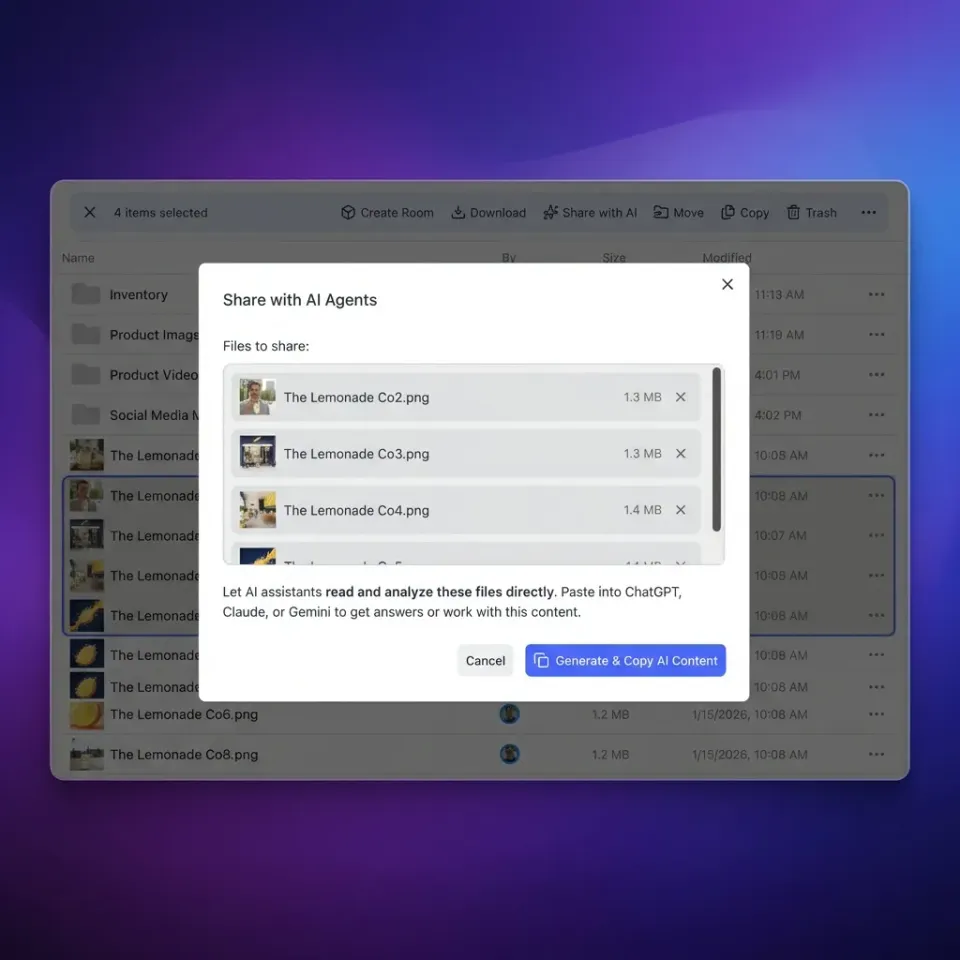
The Fastio MCP server connects AI agents directly to your cloud storage and knowledge bases via the Model Context Protocol.
It runs remotely at https://mcp.fast.io/mcp/tools and provides a consolidated MCP toolset covering UI capabilities as agent actions. Tools handle authentication, workspaces, storage, shares, AI chat, comments, and ownership transfer.
Unlike raw S3 or ephemeral storage, Fastio workspaces support human-agent collaboration, versioning, previews (video HLS streaming, PDF rendering), semantic search, and RAG without extra infrastructure.
Key benefits include a 14-day Business Trial requiring a credit card, persistent workspace storage, and dynamic resource discovery for files.
For developers, the server uses Streamable HTTP (/mcp) or legacy SSE (/sse). Session state persists across tool calls, so no token passing is needed.
Core Capabilities
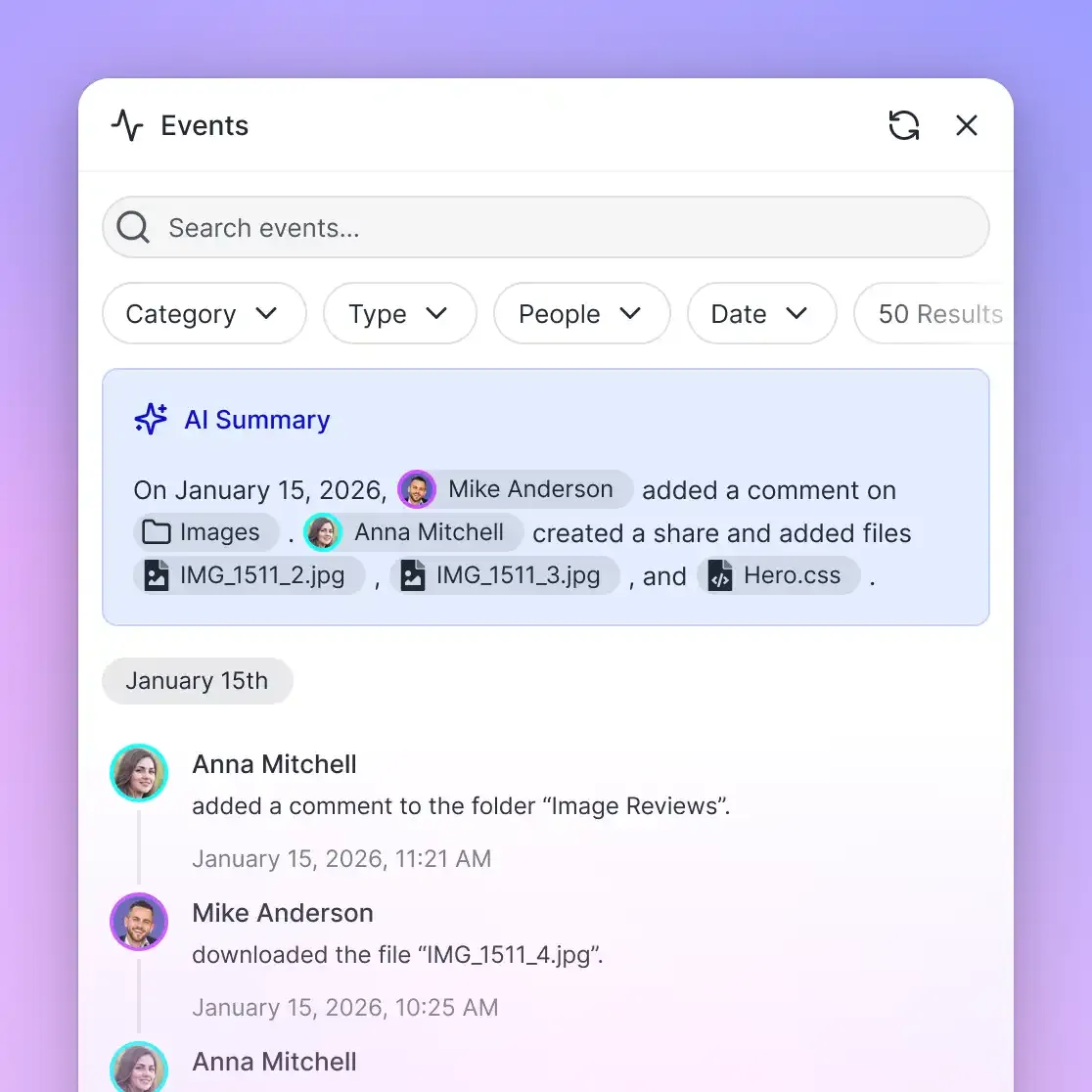
- File CRUD, chunked uploads up to 100 GB on the Enterprise plan
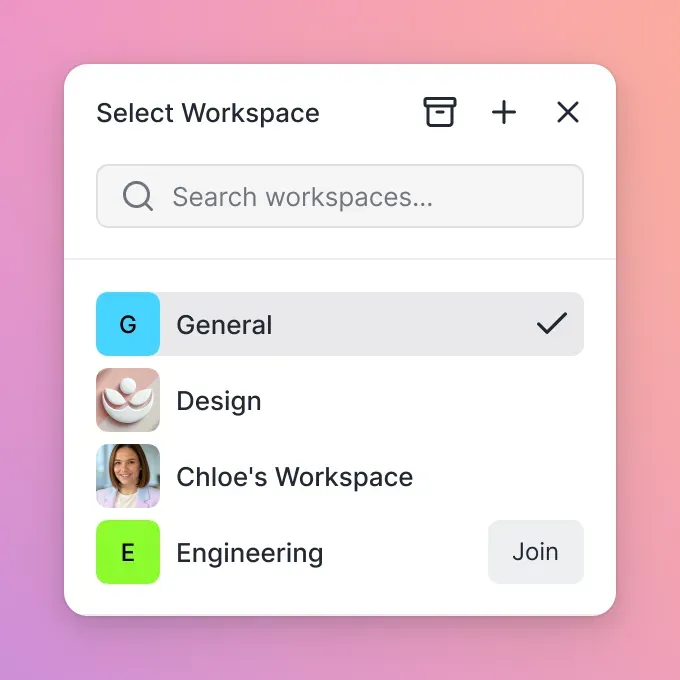
- Workspace/org creation, member management
- Send/Receive/Exchange shares with branding
- RAG chat scoped to folders/files
- Ownership transfer to humans
- URL import from Drive/Box/Dropbox
- Advisory file locks for multi-agent coordination
- Version history and granular permissions
Related guides
- How to Deploy the Fastio MCP Server on Fly.ioDeploying the Fastio MCP server on Fly.io gives your AI agents faster access to their file workspaces. Moving your...
- How to Troubleshoot the Fastio MCP Server: A Complete GuideThe Fastio MCP server gives AI agents file system access, but connection and tool errors can disrupt your workflow....
- How to Test Fastio MCP Server Tools with PlaywrightTesting Fastio MCP server tools with Playwright lets developers verify AI agent integrations in a browser environment....
- How to Connect Fastio MCP Server to AutoGen AgentsAutoGen agents lose their work when sessions end. By connecting Fastio's MCP server to AutoGen via the autogen-ext MCP...
- How to Deploy MCP Server on RenderLearn how to deploy MCP servers on Render with git-based updates and zero downtime. This guide covers Docker setup,...
- How to Use MCP for Agent WorkflowsMCP (Model Context Protocol) standardizes tool calls in multi-agent systems. This guide covers how to use MCP for agent...
More on this subject: MCP and Model Context Protocol (244 guides)
Prerequisites and Account Setup
Start with a Fastio account. Agents can sign up via API or authenticate using API keys.
Create an organization and choose Starter, Business, or Enterprise plans, or start with a 14-day Business Trial.
Check credit usage with org action=limits. Storage and bandwidth come with the plan; usage-based credits cover AI work such as indexing and chat.
Authenticate to MCP: use PKCE for secure browser login, API key from human account, or agent signin.
PKCE flow: auth pkce-login gets login_url, user approves, pkce-complete with code.


Ready for agentic workspaces?
Start your 14-day Business Trial with persistent storage, a consolidated MCP toolset, and built-in RAG.
MCP Server Configuration JSON
Register Fastio MCP in your agent client with this JSON:
{
  "mcpServers": {
    "fastio-mcp": {
      "url": "https://mcp.fast.io/mcp/tools",
      "name": "Fastio Workspaces",
      "icon": "https://fast.io/icon.png",
      "description": "A consolidated MCP toolset for agent workspaces, storage, RAG, and shares"
    }
  }
}
Resources auto-discover: skill://guide for docs, download://workspace/{id}/{node} for files.
Test: list tools, auth status, resources/list.
Verification Steps
- Connect to server
- auth status - check authenticated
- resources/list - see dynamic file resources
- storage list root - browse workspace
Integrating with LangChain
LangChain supports custom tools. Create a FastIO tool wrapper using langchain.tools.
Install langchain-community if needed. Define tool calling with MCP endpoints.
Example Python code:
from langchain.agents import create_agent
from langchain.tools import tool
from langchain_openai import ChatOpenAI

@tool
def fastio_upload_file(content: str, workspace_id: str) -> str:
    """Upload content to Fastio workspace via MCP."""
    # Call the MCP `upload_manage` tool (action=stream-upload, passing the text as `content`)
    # through an MCP client session connected to https://mcp.fast.io/mcp/tools.
    raise NotImplementedError("Connect an MCP client session and call the upload_manage tool here.")

llm = ChatOpenAI(model="gpt-4o")
agent = create_agent(llm, tools=[fastio_upload_file])
Bind MCP server as toolset. Use LCEL for chaining: auth → create workspace → upload → RAG query.
For RAG: scope chat_with_files to folders, get citations back.
Handle session: MCP stores token server-side.

Integrating with CrewAI
CrewAI uses tasks/agents/tools. Define Fastio as custom tools.
Example:
from crewai import Agent, Task, Crew
from crewai_tools import tool

@tool("FastIO Workspace Manager")
def create_fastio_workspace(org_id: str, name: str) -> str:
    """Create workspace in Fastio org."""
    # MCP call: workspace create
    return "Workspace ID: xxx"

researcher = Agent(role="Researcher", goal="...", tools=[create_fastio_workspace])
task = Task(description="Create workspace and upload report", agent=researcher)
crew = Crew(agents=[researcher], tasks=[task])
result = crew.kickoff()
Multi-agent: one agent manages storage, another RAG queries, third creates shares.
Ownership transfer task: build → generate transfer token → output claim URL.
CrewAI + Fastio Workflow Example
- Researcher gathers data, uploads to workspace
- Analyst queries RAG for insights
- Manager creates branded share
- Transfer to human if needed
Production Workflows and Best Practices
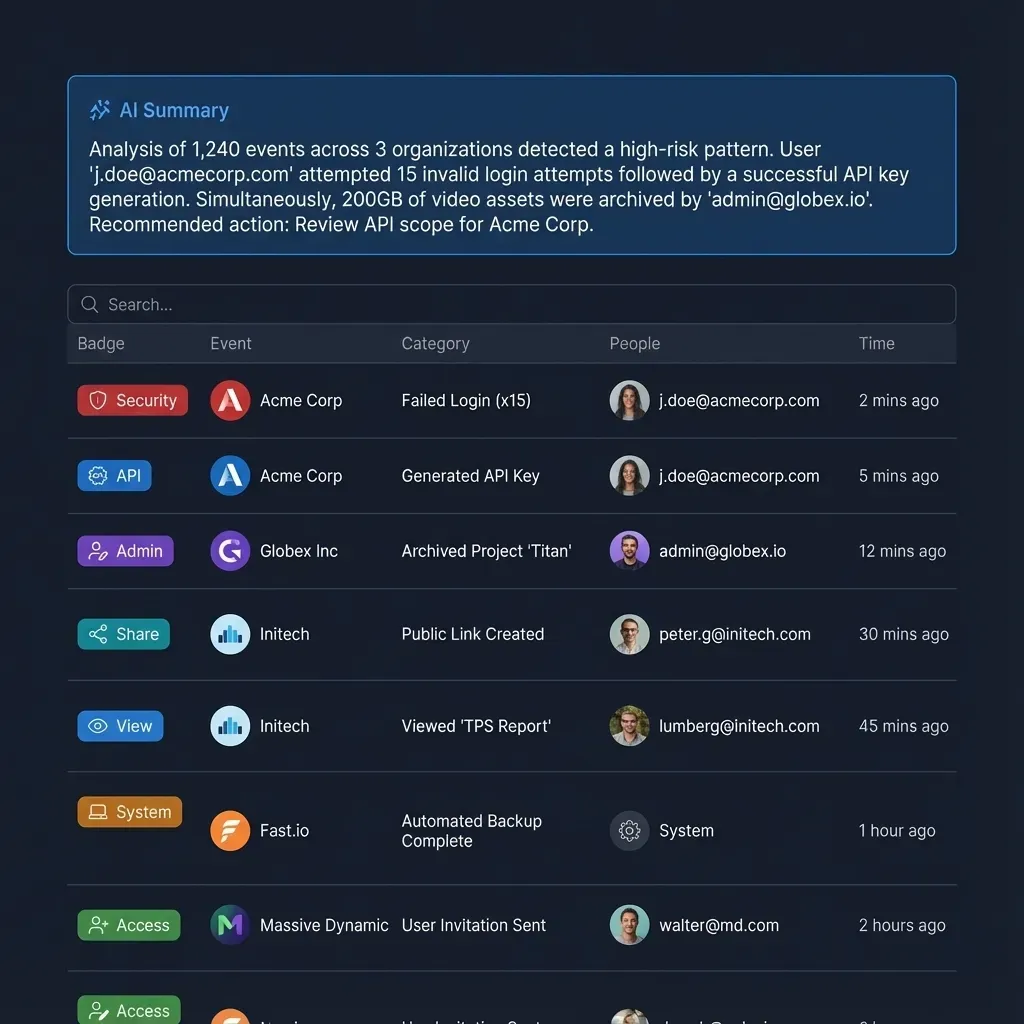
Enable intelligence for RAG. Use activity feeds or the WebSocket feed for event monitoring.
Multi-agent: agents acquire advisory file locks before writing (MCP storage lock-acquire, lock-status, lock-release), renewing with heartbeats; 409 responses signal another agent holds the lock, while version history tracks every write regardless.
Scale: Starter, Business, and Enterprise plans include more seats, storage and credits at each tier.
Troubleshooting: check auth status, credits, ai_state=ready for files.
Edge cases: large files chunked upload, scoped PKCE for permissions.
Monitor: activity poll for changes, audit log for history.
Sources
References used to verify factual claims in this guide.
-
Provides access to a consolidated MCP toolset natively
Frequently Asked Questions
How do I configure the Fastio MCP server?
Use the JSON config above to register `https://mcp.fast.io/mcp/tools`. Authenticate with PKCE or API key, then tools are available.
What agent frameworks work with Fastio MCP?
LangChain, CrewAI, OpenAI Swarm, Autogen, Semantic Kernel, Haystack - all via custom tools or MCP clients like Claude Desktop.
Does integration require coding?
Yes for custom framework wrappers, but no code is required for MCP-native clients like Claude Desktop which connect directly via the server URL.
How to handle authentication in production?
PKCE for secure human delegation, API keys for assisting humans, agent signup for autonomous.
What about costs?
Fastio offers Starter ($9.99/mo), Business ($49.99/mo), and Enterprise ($199.99/mo) plans, with a 14-day Business Trial requiring a credit card.
Related Resources

Ready for agentic workspaces?
Start your 14-day Business Trial with persistent storage, a consolidated MCP toolset, and built-in RAG.