How to Integrate Fastio API with AutoGPT Workspaces
AutoGPT agents run autonomously but struggle with ephemeral local storage, making outputs hard to share or persist across sessions. Integrating Fastio API gives them reliable cloud workspaces for files, with built-in AI search, sharing, and human handoff. This guide walks through setup, from agent accounts to custom tools calling Fastio endpoints. Agents can upload artifacts, query documents via RAG, create branded shares, and transfer ownership to teams.

Why AutoGPT Needs Cloud Workspaces Like Fastio
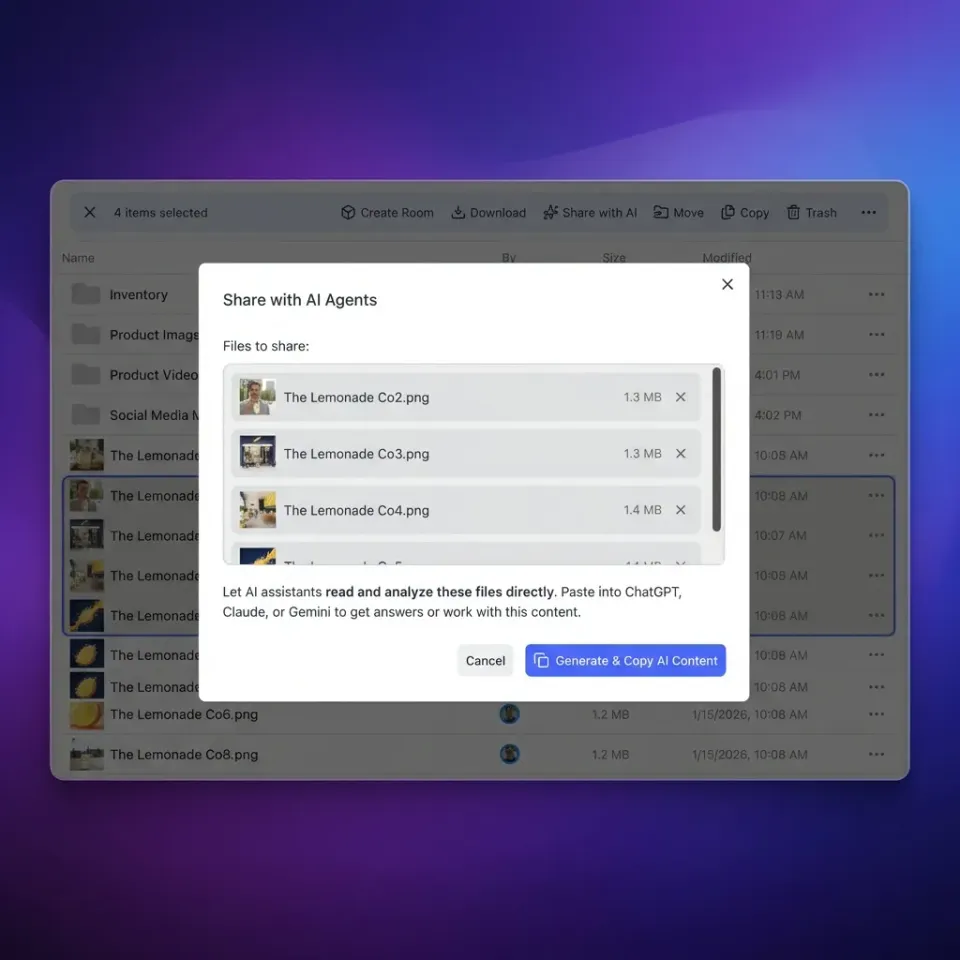
AutoGPT agents generate files, code, reports, and data during tasks. Local storage limits mean outputs vanish on restart or fail in multi-agent setups. Fastio solves this with API-first workspaces designed for agents.
Key benefits include organization-owned files that survive agent restarts, real-time collaboration with humans, and built-in RAG for querying outputs. Agents avoid reinventing storage while focusing on tasks.
AutoGPT file constraints: Ephemeral runs lose artifacts; no native sharing or versioning.
Fastio advantages: storage included in each plan, chunked uploads for large files (up to 100 GB on the Enterprise plan), HLS previews, semantic search.


Give AutoGPT Persistent Storage
Shared workspaces for agent persistence. Agents build, share, and collaborate.
Related guides
- How to Set Up Persistent Storage for AutoGPTPersistent storage lets AutoGPT save task memory and files between runs. Otherwise, agents forget everything and stick...
- Fastio API vs AWS EFS for Agent Workspaces: A Practical GuideYour choice of storage architecture determines if your AI agents can act on their own or need human help. AWS EFS...
- How to Choose Between Fastio API vs Box API for Agent WorkspacesBox API handles traditional enterprise document management, while Fastio API provides native vector search and...
- Fastio API vs Supabase Storage for Agent WorkspacesPicking the right backend for your AI application shapes your engineering roadmap. Developers often treat all cloud...
- How to Implement Multi-Tenant Workspaces with Fastio APIImplementing multi-tenant workspaces with the Fastio API allows B2B AI applications to guarantee strict data isolation...
- How to Build a RAG Pipeline with Fastio APIBuilding a reliable Retrieval-Augmented Generation pipeline often involves managing complex infrastructure. A RAG...
More on this subject: Agent Memory and Storage (263 guides)
Prerequisites and Accounts
Install AutoGPT from GitHub: clone Significant-Gravitas/AutoGPT, run pip install -r requirements.txt.
Create a Fastio agent account via API:
curl -X POST https://api.fast.io/current/user/ \
  -d "first_name=Agent&last_name=GPT&email_address=agent@example.com&password=securepass123&tos_agree=true&agent=true"
Verify email with /current/user/email/validate/. Generate API key at https://go.fast.io/settings/api-keys.
OpenAI API key for AutoGPT LLM calls.
Build Fastio Tool for AutoGPT
AutoGPT uses OpenAI-compatible tools. Define a Fastio tool class in Python.
Example Python tool:
import requests
from autogpt.tools import Tool

class FastIOWorkspace(Tool):
    name = "fastio_workspace"
    description = "Manage Fastio workspaces: create, list, upload files."

    def _execute(self, action: str, workspace_id: str = None, file_path: str = None):
        headers = {"Authorization": f"Bearer {self.api_key}"}
        base_url = "https://api.fast.io/current"

        if action == "create":
            resp = requests.post(f"{base_url}/org/{self.org_id}/create/workspace/",
                               data={"folder_name": "autogpt-project", "name": "AutoGPT Outputs",
                                     "perm_join": "Member or above", "perm_member_manage": "Admin or above"},
                               headers=headers)
            return resp.json()

        # Add list via /workspace/{id}/storage/root/list/, upload via /upload/, etc.
Register in AutoGPT config: add to TOOLS.
Test: ./run agent with Fastio tool enabled.
Upload Agent Outputs
After task, call tool to upload: /upload/ endpoint with multipart form.
Files of 4 MB and larger need a chunked upload session.
Run AutoGPT with Fastio Persistence
Configure .env: OPENAI_API_KEY=sk-..., FASTIO_API_KEY=pk-....
Prompt: "Research market trends, save report to Fastio workspace, share link."
Agent flow:
- Creates workspace if needed.
- Generates report.
- Uploads via tool.
- Creates Send share.
- Returns branded link.
Outputs persist; humans access via UI.
Advanced: MCP Server Integration
Fastio's remote MCP server at https://mcp.fast.io/mcp/tools exposes a consolidated toolset for storage, workspace management, and AI chat.
AutoGPT can connect directly to Fastio's remote MCP server via Streamable HTTP at https://mcp.fast.io/mcp/tools with an Authorization: Bearer <api key> header on the connection, following the setup guide.
Enables RAG: Enable intelligence, query workspace files semantically.
Ownership transfer: Build, then use the MCP org tool's ownership transfer to give the human a claim URL.
Troubleshooting and Best Practices
Common issues:
- Credits: each plan includes a monthly allowance; monitor
/org/{org_id}/billing/usage/limits/credits/. - Large files: Use chunked upload.
Patterns:
- Comment on changed files for human visibility.
- Locks for multi-agent.
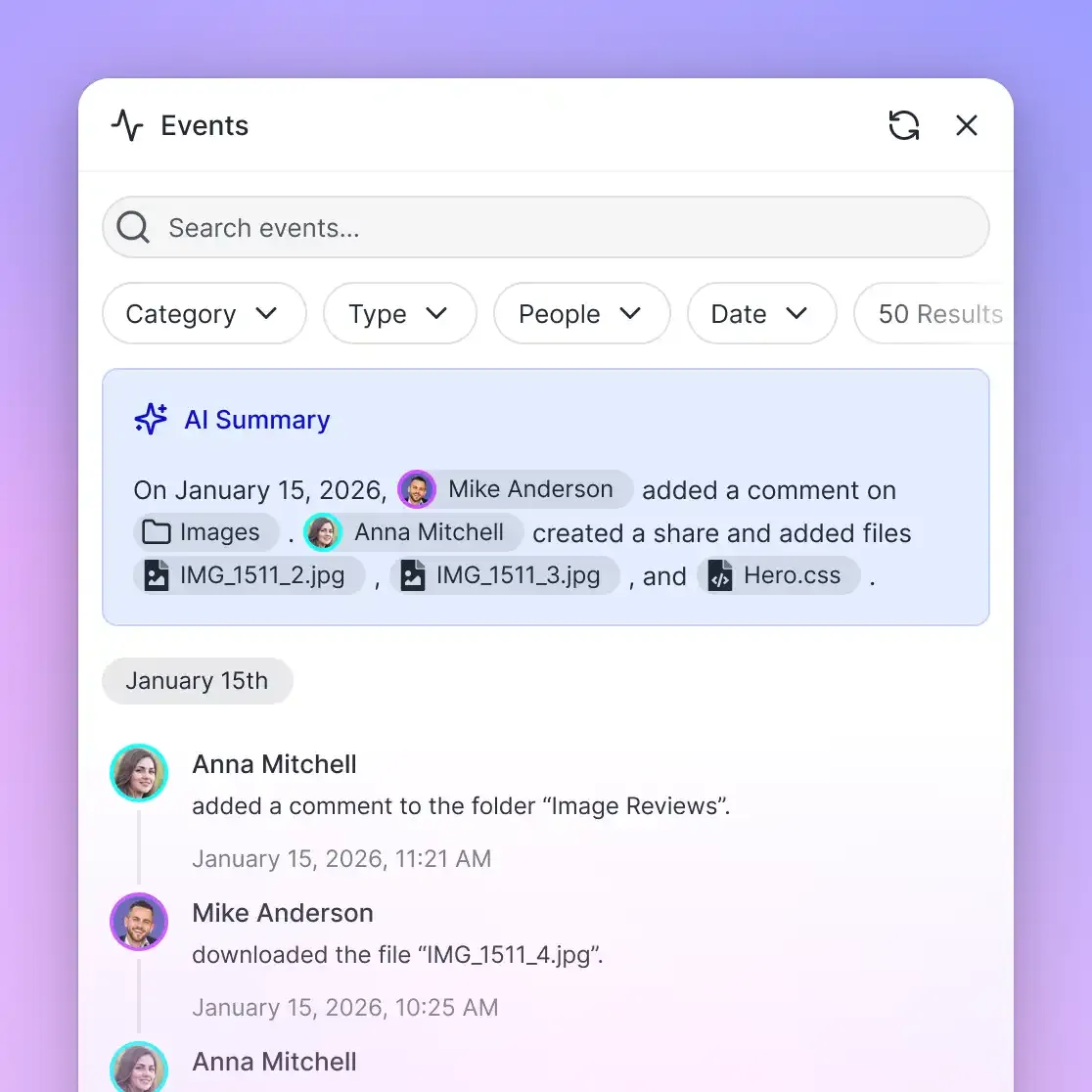
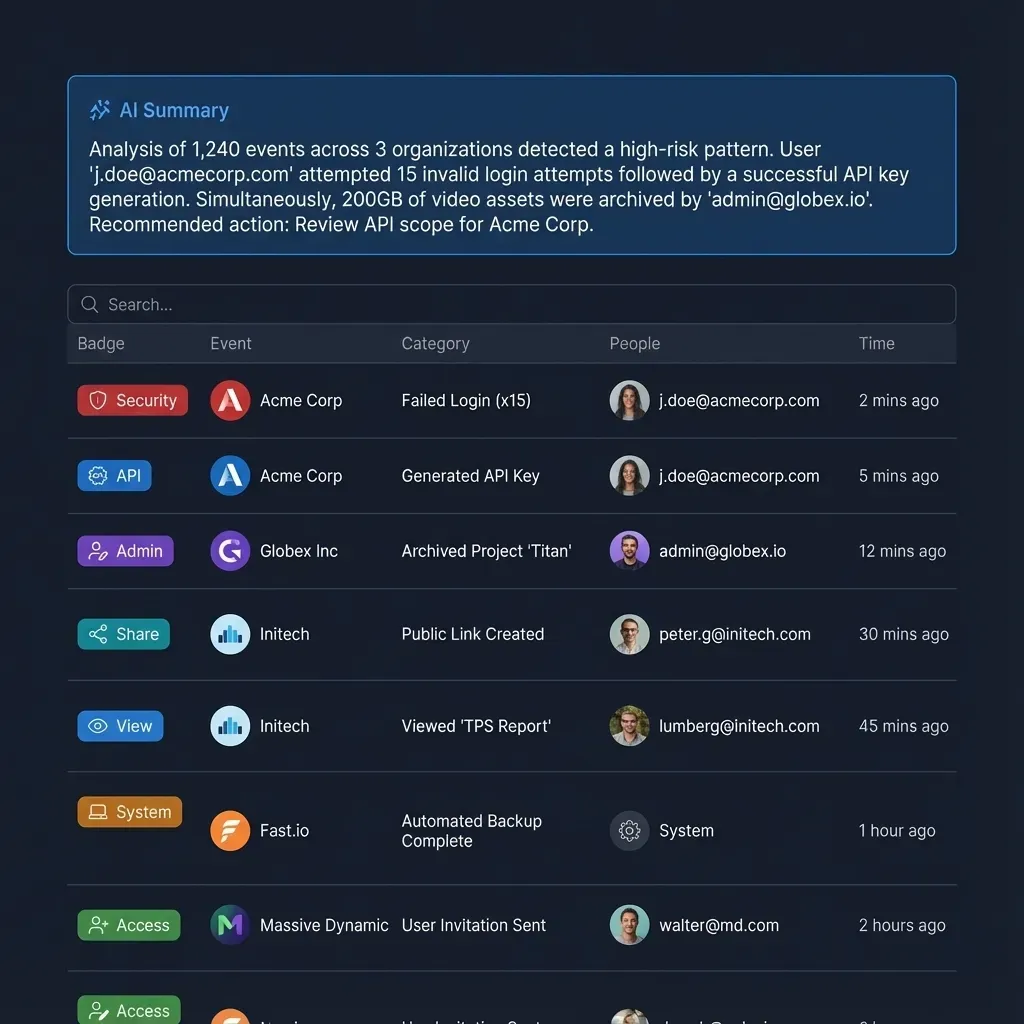
- Activity polling or the WebSocket feed for events.
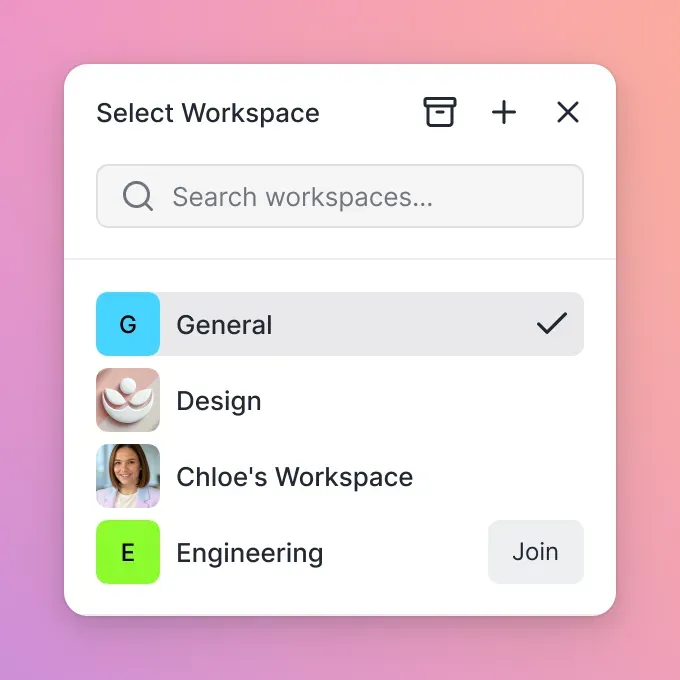
Scale with multiple workspaces per org.
Frequently Asked Questions
How can AutoGPT save files to the cloud?
Define custom tools calling Fastio `/upload/`. Supports uploads up to 100 GB on the Enterprise plan, previews, versioning. Managed through shared workspaces.
How do I share AutoGPT workspaces with my team?
Create Send/Exchange shares via `/workspace/{id}/create/share/`. Branded portals, passwords, expiration. Invite humans/agents as members.
Does Fastio work with any LLM in AutoGPT?
Yes, API/MCP agnostic. Use GPT-4, Claude, local models via tool calls.
What if credits run out?
Transfer org to human via claim URL for upgrade. Agent keeps admin.
Related Resources

Give AutoGPT Persistent Storage
Shared workspaces for agent persistence. Agents build, share, and collaborate.