How to Add Persistent Storage for LLM Tool Calling
Persistent storage for LLM tool calling keeps agent state, files, and outputs indefinitely. LLMs forget context without long-term memory. MCP workspaces let agents save data to cloud storage and resume without token limits. This guide shows how to build agent memory systems.


What is Persistent Storage for LLMs?
Persistent storage for LLM tool calling keeps agent state, files, and outputs indefinitely. LLMs process prompts in isolation with no built-in memory.
Without it, agents forget past interactions and tool results. Developers re-upload files and rerun pipelines every time.
Add storage to fix this. Agents save outputs to cloud workspaces and load only needed context. Use indexes for big files instead of full data in prompts.
Engineering teams can run agents in production. Audit logs track decisions without context overload.
Related guides
- How to Add Persistent File Storage to Dify AI AgentsDify AI file storage connects the Dify open-source LLM platform to persistent cloud storage. This lets agents read,...
- How to Set Up AI Agent Blob Storage for Tool CallingBlob storage gives AI agents a place to save tool outputs and state reliably. Chatbots can only hold short...
- How to Add Persistent File Storage to Discord AI BotsDiscord bots are growing into capable AI agents that generate images, write code, and process documents. But they often...
- How to Add Persistent File Storage to Relevance AI AgentsRelevance AI is a great no-code platform for building agent workflows. But its built-in storage has limits. You get a...
- How to Build Tool Calling Persistent Memory for AI AgentsTool calling persistent memory stores function states between invocations. This approach allows AI agents to maintain...
- How to Add Persistent Storage to Flowise AI AgentsFlowise AI agents often lose files, especially in containerized deployments where local storage is temporary. This...
More on this subject: Agent Memory and Storage (263 guides)
Why Relying on the Context Window Causes Tool Failure
The context window is short-term memory. According to IBM, Claude 2 handles up to 100,000 tokens. Packing tool outputs in there hurts reasoning quality.
Large payloads overwrite system instructions. Agents hallucinate parameters or pick wrong functions. A 40k-token JSON response might erase starting rules.
Offload to persistent workspaces. Save data, run background indexing, send LLM a link.
This catches mid-task failures too. Saved states let agents recover from timeouts or limits exactly where they stopped.
How MCP Enables Easy Resumption
The Model Context Protocol (MCP) standardizes connections to memory and files. No more custom code for each LLM and storage combo.
Agents pause workflows, save to workspaces, resume later. MCP gives tools for directories, blobs, configs.
Picture a data agent building a report from web pages. Rate limit hit? Save partial work to Fastio. Later, resume, no restart.
MCP spans providers. Cheap model sorts files by day, big model reviews at night. Workspace is truth.


Ready to solve agent memory limits?
Give your AI agents persistent storage and a consolidated MCP toolset.
Implementing Shared Workspaces for Agents
Agents need shared spaces for collaboration with agents and humans. Focus on access and structure.
Step 1: Provision a dedicated agent workspace Create a folder for outputs. Separate from human files at first. Fastio offers a 14-day Business Trial, card required; see /pricing/.
Step 2: Connect the environment via MCP Use Fastio MCP server for a consolidated MCP toolset. Pick Streamable HTTP or SSE.
Step 3: Structure the directory hierarchy Folders for input, processing, output. Humans can track progress.
Step 4: Implement ownership transfer Agent completes project, hands off to human. Keeps admin for updates.
Managing State with File Locks and Built-in RAG
Store data so LLMs can find it later, with multiple agents.
Prevent conflicts with file locks Acquire an advisory file lock before writing, heartbeat it while working, and release it when done. Another agent attempting to lock receives HTTP 409 and can wait, while version history preserves every revision.
Use Intelligence Mode Once Intelligence is enabled for the workspace, files are indexed for semantic search. Query in plain English.
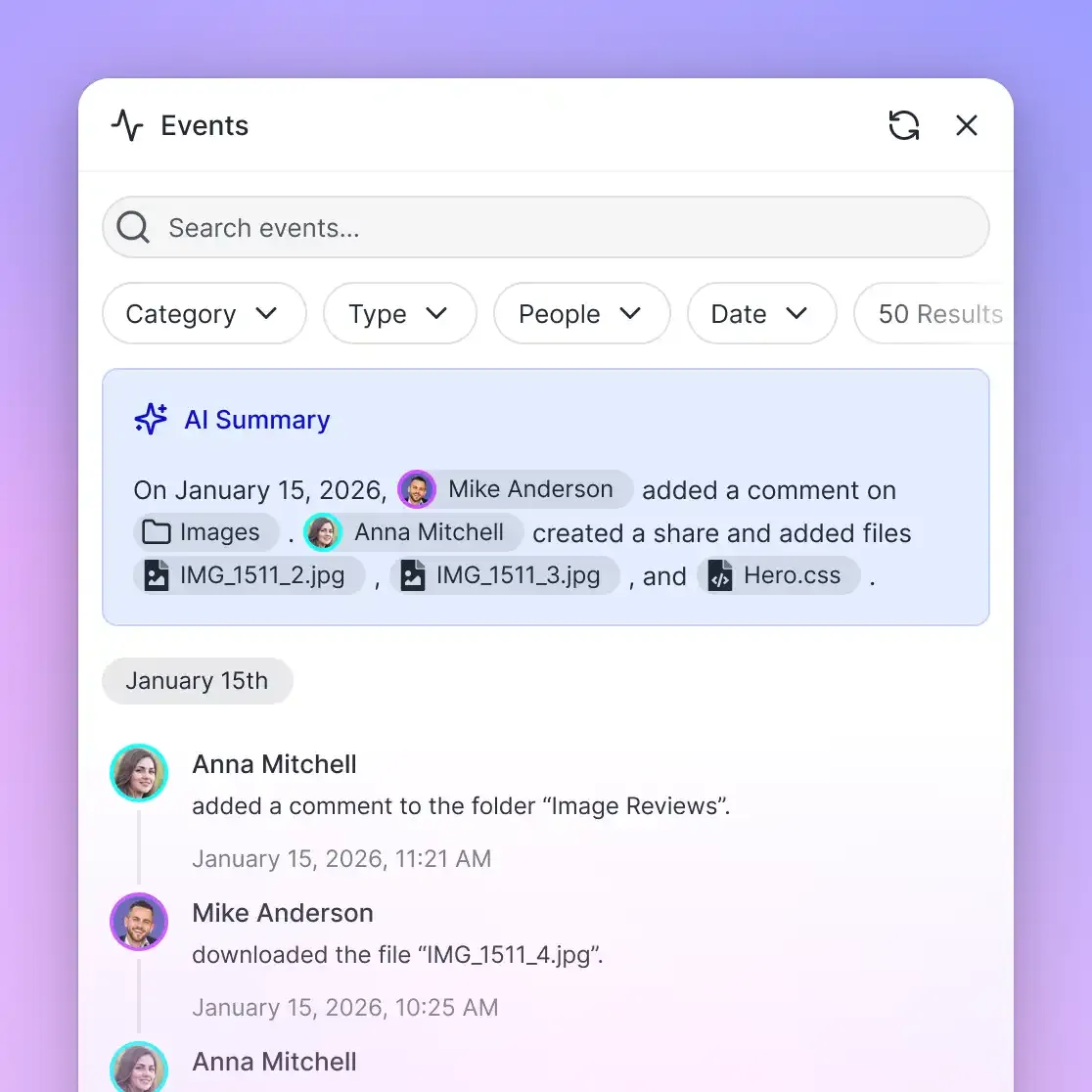
Automate reactions with activity feeds Poll the realtime activity feed or connect to the WebSocket events feed to trigger downstream tasks. Storage becomes active.
Overcoming Common Tool Calling Challenges
Storage helps, but handle edge cases.
Handling URL Imports Agents struggle with big downloads. URL tools let backend fetch asynchronously.
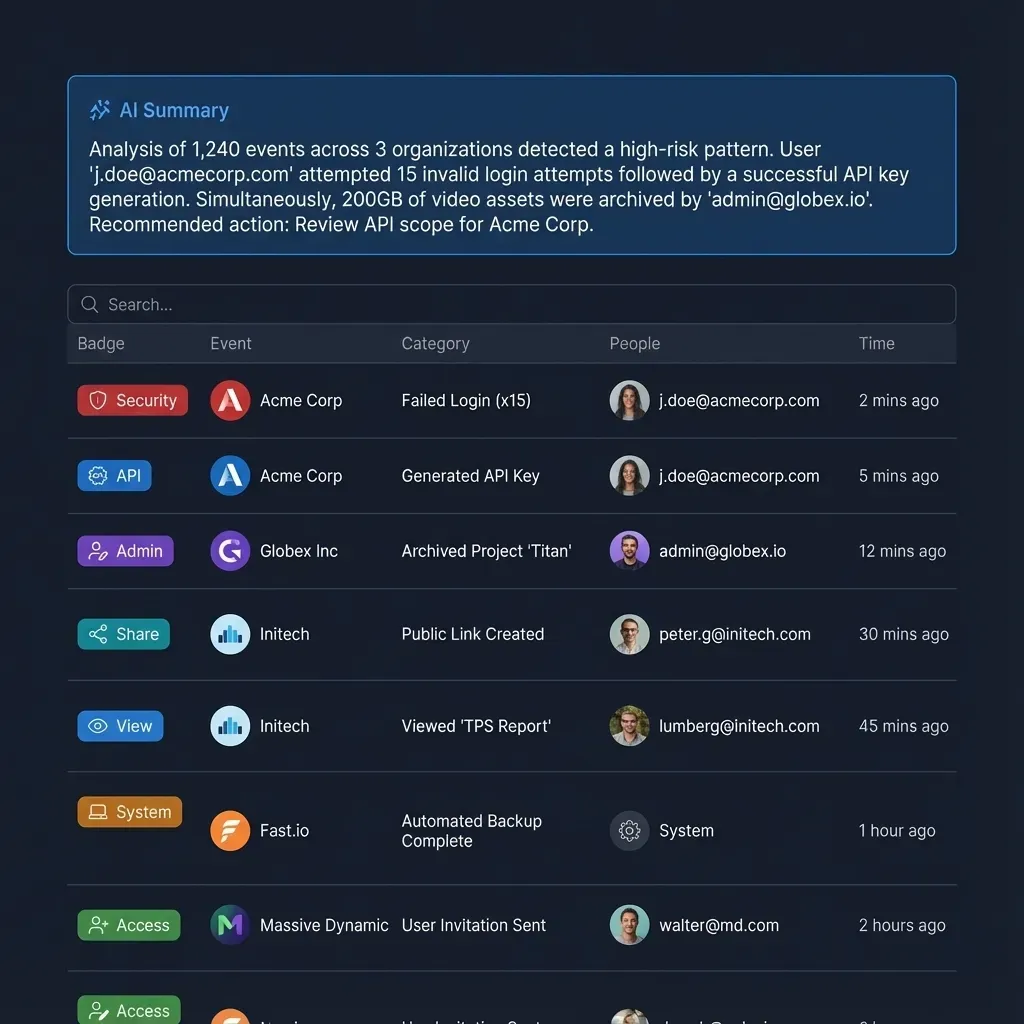
Debugging Silent Failures Audit trails show issues: bad params or timeouts.
Managing Token Costs Store details externally. Send summaries to LLM.
Future-Proofing Your Agent Infrastructure
Don't lock storage to one model. Decouple for flexibility.
Workspaces keep data ready for any LLM. All history safe.
Big contexts aren't enough. Persistent storage gives memory and reliability for hard tasks.
Sources
References used to verify factual claims in this guide.
-
Claude 2 can handle up to 100,000 tokens of context
Frequently Asked Questions
How to add persistence to LLM tools?
Connect LLM to storage using MCP. Write outputs to workspace, not context window.
What is the best storage for tool calling?
File storage with vector indexing. Fastio offers a 14-day Business Trial with built-in RAG once Intelligence is enabled.
Why do AI agents lose context during long tasks?
Token limits overwrite instructions. Storage keeps data separate.
Does the Model Context Protocol require a vector database?
No, it's a tool connection standard. Workspaces handle indexing.
How do file locks and version history help multi-agent systems?
Advisory file locks coordinate concurrent writes so agents can wait, while version history preserves every revision as a safety net.
Can human users access the agent's persistent storage?
Yes, full access. Collaborate, review, transfer ownership.
What is the difference between short-term LLM memory and persistent storage?
Context window clears per session. Persistent lasts across sessions.
Related Resources

Ready to solve agent memory limits?
Give your AI agents persistent storage and a consolidated MCP toolset.